Buddleja globosa Leggy Stems
eco Leggy Stems

Buddleja globosa – Leggy Stems

Why does your Buddleja globosa have leggy stems? Diagnose the cause and fix it with our step-by-step guide.

pets Pet Friendly

search Possible Causes

error

Insufficient Sunlight

Buddleja globosa requires full sun to maintain a dense, structural habit. When shaded by larger trees or buildings, the plant undergoes etiolation, stretching stems toward light sources which results in weak, elongated growth.

Very Common
lightbulb
How to confirm: Observe if the plant is located in a spot receiving less than 6-8 hours of direct sunlight daily.
build How to fix it
shopping_cart Recommended Products
1 Relocate the plant to a location that receives at least 6 to 8 hours of direct sunlight daily to prevent further stretching.
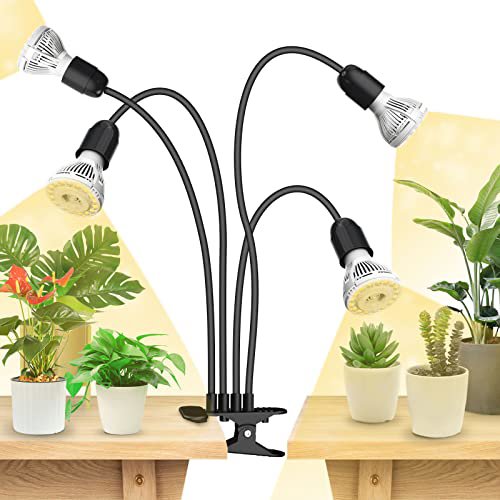
2 Install a full-spectrum grow light to supplement natural light if the plant cannot be moved to a sunnier spot.
3 Prune the elongated, weak stems back to a denser growth point to encourage a more compact and structural habit.
error

Lack of Pruning

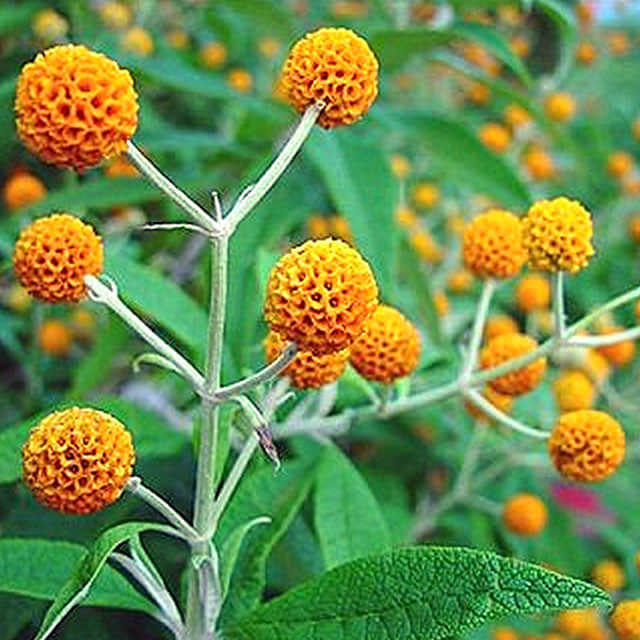
Without regular seasonal pruning, the woody stems of the Orange Ball Tree can become overly long and sparse. Periodic cutting back encourages lateral budding and a more compact, rounded crown.

Very Common
lightbulb
How to confirm: Check if the plant has gone several growing seasons without any structural thinning or heading cuts.
build How to fix it
shopping_cart Recommended Products
1 Use sharp pruning shears to cut back the long, leggy stems to a shorter, more compact length, ideally cutting just above a healthy bud node.
2 Clean your tools with alcohol after use to prevent the spread of pathogens between different branches or plants.
3 Apply a balanced fertilizer to support new lateral growth and a fuller crown following the pruning session.
warning

Nitrogen Imbalance

Excessive application of high-nitrogen fertilizers can promote rapid, succulent vegetative growth at the expense of stem strength. This leads to long, soft shoots that lack the lignification needed to support their own weight.

Common
lightbulb
How to confirm: Review recent fertilization history to see if a nitrogen-heavy lawn or garden fertilizer was applied recently.
build How to fix it
shopping_cart Recommended Products
1 Reduce the frequency of high-nitrogen fertilizer applications to allow the plant to focus on stem lignification and structural strength.
2 Apply a balanced or lower-nitrogen fertilizer to promote more robust, woody growth rather than rapid succulent shoots.
3 Prune back the longest, weakest stems to encourage denser, sturdier branching from the base.
warning

Water Stress and Shallow Rooting

Inconsistent moisture levels can cause periods of rapid growth followed by dormancy, leading to uneven stem elongation. If the roots are restricted by nearby heavy clay or containers, nutrient uptake becomes erratic.

Common
lightbulb
How to confirm: Feel the soil depth around the root ball to see if it is drying out too quickly or becoming compacted.
build How to fix it
shopping_cart Recommended Products
1 Check the soil moisture levels regularly to ensure consistent hydration and prevent the growth spurts caused by drought-stress cycles.
2 Repot the plant into a larger container with well-draining soil, such as a mix containing perlite, to alleviate root restriction and improve nutrient uptake.
3 Apply a balanced liquid fertilizer to provide steady nutrition and support more robust, less leggy stem development.

Other Buddleja globosa problems

Your plant might also be experiencing one of these issues:

local_hospital All symptoms eco All plants with leggy stems
favorite