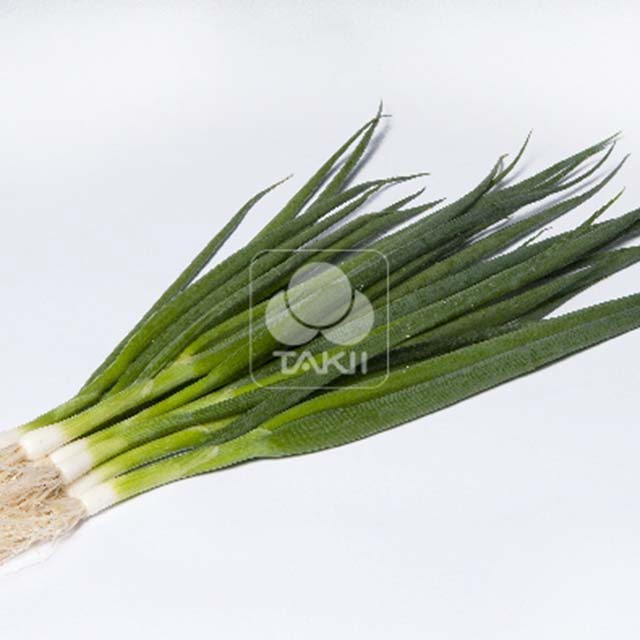
Bunching Onion Estafette F1 Tiny Black Flies
eco Tiny Black Flies

Bunching Onion Estafette F1 – Tiny Black Flies

Why does your Bunching Onion Estafette F1 have tiny black flies? Diagnose the cause and fix it with our step-by-step guide.

search Possible Causes

error

Fungus Gnats

The tiny black flies are likely fungus gnats, whose larvae live in the moist organic matter of the onion substrate. They thrive in the high-moisture environments often required for Allium germination and can feed on delicate developing roots.

Very Common
lightbulb
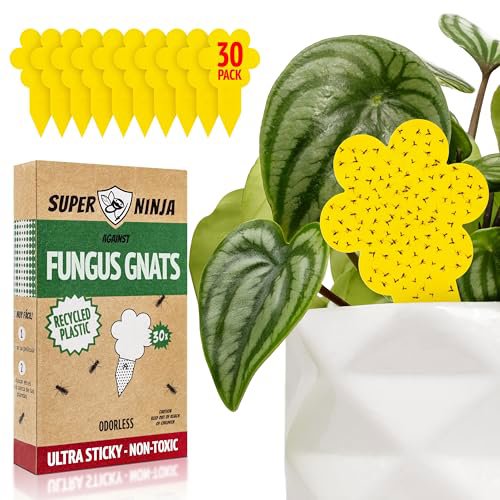
How to confirm: Place a yellow sticky trap near the base of the onions to confirm the presence of flying adults.
build How to fix it
shopping_cart Recommended Products
1 Apply a biological control to eliminate the adult flies and larvae in the soil.
2 Reduce watering frequency and allow the top inch of soil to dry out to disrupt the larvae's moist habitat.
3 Top-dress the soil with a layer of horticultural perlite to create a dry barrier that prevents adults from laying eggs.
warning

Black Scab (Alliun asparagoides) related secondary attraction

While Black Scab is a fungal pathogen, the presence of decaying organic matter or weakened onion tissue caused by fungi can attract various small dipterans. If the onions show dark lesions alongside the flies, a fungal issue may be the primary driver.

Common
lightbulb
How to confirm: Inspect the base of the onion stalks for any dark, necrotic lesions or scale-like growths.
build How to fix it
shopping_cart Recommended Products
1 Apply an organic fungicide to treat the underlying fungal lesions and prevent further spread of the pathogen.
2 Deploy yellow sticky traps to capture the adult flies and disrupt their breeding cycle near the plant.
3 Remove and destroy any decaying organic matter or heavily infected onion tissue to eliminate the attraction source for the flies.
warning

Overwatering and Soil Organic Matter Decay

Excessive moisture in the potting medium promotes the growth of fungi and bacteria, creating a perfect breeding ground for soil-dwelling flies. Bunching onions are sensitive to anaerobic soil conditions which accelerate this cycle.

Common
lightbulb
How to confirm: Stick your finger two inches into the soil to see if it remains saturated for extended periods.
build How to fix it
shopping_cart Recommended Products
1 Reduce watering frequency and allow the top inch of soil to dry out completely to disrupt the fungus gnat breeding cycle.
2 Apply yellow sticky traps near the soil surface to capture adult flies and prevent further reproduction.
3 Repot the onions in a well-draining medium amended with perlite to improve aeration and prevent organic matter decay.
local_hospital All symptoms eco All plants with tiny black flies
favorite