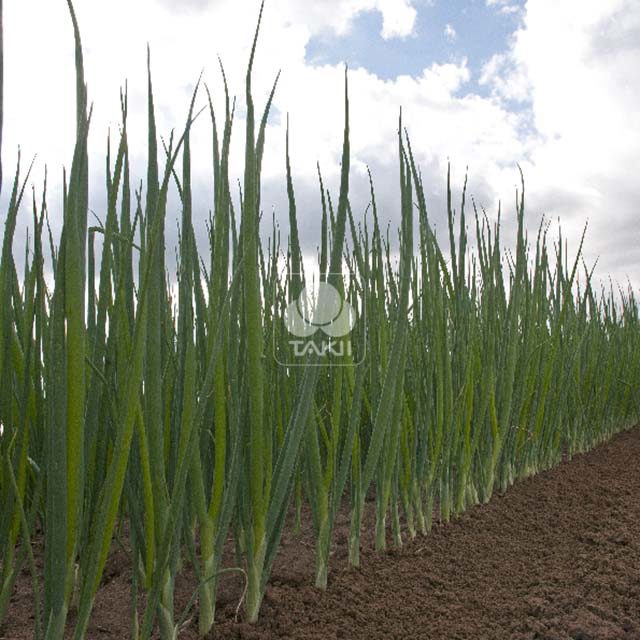
Bunching Onion Spring Slim F1 Tiny Black Flies
eco Tiny Black Flies

Bunching Onion Spring Slim F1 – Tiny Black Flies

Why does your Bunching Onion Spring Slim F1 have tiny black flies? Diagnose the cause and fix it with our step-by-step guide.

search Possible Causes

error

Fungus Gnats

The tiny black flies are likely fungus gnats, whose larvae live in the moist organic matter of the onion's growing medium. They thrive in the high-moisture environments often required for succulent spring onions like 'Slim F1'.

Very Common
lightbulb
How to confirm: Set a yellow sticky trap near the base of the onions to confirm the presence of small, dark flying insects.
build How to fix it
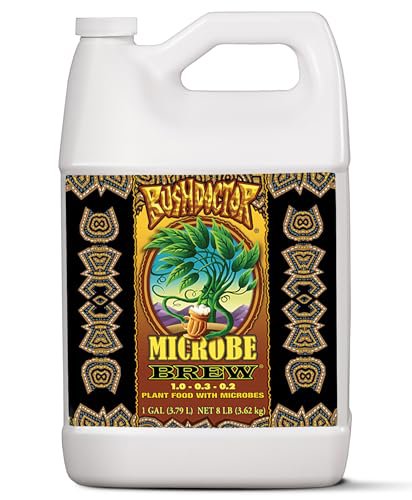
shopping_cart Recommended Products
1 Deploy yellow sticky traps to capture the adult flying gnats and break the breeding cycle.
2 Allow the soil to dry out more between waterings to eliminate the moist environment where larvae thrive.
3 Top-dress the soil with a layer of horticultural perlite to create a dry barrier that prevents adults from laying eggs in the organic matter.
warning

Soil-borne Pests (Sciarid Flies)

These flies are attracted to the nitrogen-rich environment created by frequent fertilization of bunching onions. Their larvae can sometimes feed on weakened root tissues, potentially causing stunted growth in 'Slim F1' varieties.

Common
lightbulb
How to confirm: Check if the flies emerge specifically after heavy watering or fertilizing sessions.
build How to fix it
shopping_cart Recommended Products
1 Apply an organic insecticide to eliminate the adult flies and prevent further egg-laying in the soil.
2 Use yellow sticky traps to capture adult flies and monitor the population levels near the soil surface.
3 Reduce the frequency of nitrogen-rich fertilization to make the soil environment less attractive to Sciarid flies.
warning

Blackberry/Fruit Fly infestation (scuttle flies)

If the soil is exceptionally rich in decomposing organic matter, these flies may be attracted to the decaying nutrients near the onion roots. While less common for alliums, they can appear in high-humidity greenhouse settings.

Common
lightbulb
How to confirm: Inspect the top layer of soil for small larvae crawling near the base of the onion stalks.
build How to fix it
shopping_cart Recommended Products
1 Deploy yellow sticky traps to capture the adult flies and disrupt their breeding cycle.
2 Reduce soil moisture and allow the top layer of organic matter to dry out to make the environment less attractive to scuttle flies.
3 Apply a microbial-based treatment or ensure the soil is not overly saturated with decomposing organic matter to reduce larvae food sources.
local_hospital All symptoms eco All plants with tiny black flies
favorite