Bunching Onion Tycoon F1 Tiny Black Flies
eco Tiny Black Flies

Bunching Onion Tycoon F1 – Tiny Black Flies

Why does your Bunching Onion Tycoon F1 have tiny black flies? Diagnose the cause and fix it with our step-by-step guide.

search Possible Causes

error

Fungus Gnats (Sciaridae)

The tiny black flies are likely fungus gnats, whose larvae live in the organic matter of the soil and feed on decaying roots. In bunching onions, high soil moisture levels often trigger outbreaks as they thrive in damp environments needed for onion development.

Very Common
lightbulb
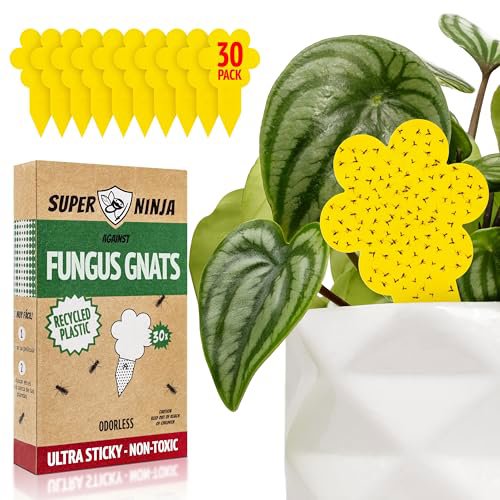
How to confirm: Place a yellow sticky trap near the base of the onion plants to confirm the presence of flying adults.
build How to fix it
shopping_cart Recommended Products
1 Deploy yellow sticky traps to capture the adult flying gnats and break the reproductive cycle.
2 Reduce watering frequency and allow the top inch of soil to dry out completely to eliminate the damp environment larvae need to thrive.
3 Apply a microbial-based soil drench to target the larvae living in the organic matter of the soil.
warning

Blackberry/Onion Soil Pests (Root Maggot larvae)

While the visible flies are adults, they may be attracted to a substrate already suffering from root maggot infestations. These larvae tunnel into the bulbous base of Tycoon onions, causing structural weakness and potential rot.

Common
lightbulb
How to confirm: Gently lift one onion plant to check if there is any tunneling or irregular scarring on the white base of the stalks.
build How to fix it
shopping_cart Recommended Products
1 Apply an organic insecticide to eliminate the adult flies and disrupt the pest life cycle.
2 Inspect the bulbous base of the onions for tunneling or rot, and remove any heavily infested plants to prevent larvae from spreading.
3 Use yellow sticky traps to capture adult flies and monitor for new infestations.
warning

Excessive Soil Moisture/Anaerobic Conditions

While not a direct cause of flies, overwatering creates the perfect breeding ground for fungus gnats. For Tycoon bunching onions, constant wetness can also lead to secondary bacterial soft rot, which produces odors that attract various small dipterans.

Common
lightbulb
How to confirm: Stick your finger two inches into the soil; if it remains muddy and smells sour, reduce watering frequency immediately.
build How to fix it
shopping_cart Recommended Products
1 Reduce watering frequency to allow the top inch of soil to dry out completely, eliminating the moist breeding ground for fungus gnats.
2 Apply yellow sticky traps near the soil surface to capture and remove the adult flies from your plant environment.
3 Amend the soil with perlite to improve aeration and drainage, preventing the anaerobic conditions that attract pests.
local_hospital All symptoms eco All plants with tiny black flies
favorite