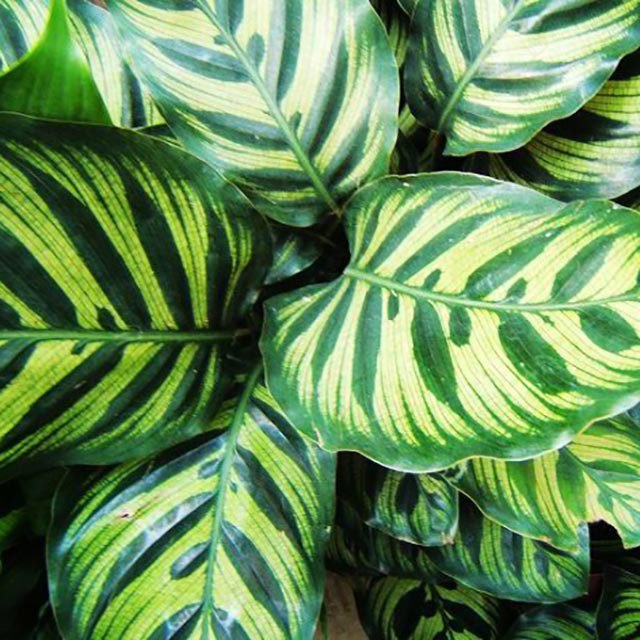
Why does your Calathea makoyana have tiny black flies? Diagnose the cause and fix it with our step-by-step guide.
Pet FriendlyThe larvae of these flies live in the upper layers of the soil and feed on organic matter and decaying roots. In Calathea, high soil moisture levels required for their humidity-loving nature create the perfect breeding ground for these pests.
While not the flies themselves, excessive moisture causes the organic substrate to decompose rapidly, attracting scavengers. This anaerobic environment can also lead to soft, blackening roots in Calathea makoyana.
Small flies may be present to feed on the decomposing organic matter found in peat-based potting mixes common for Calatheas. They are attracted to the nutrient-rich, damp environment of a well-maintained Peacock Plant.
Your plant might also be experiencing one of these issues:

 English
 Italiano