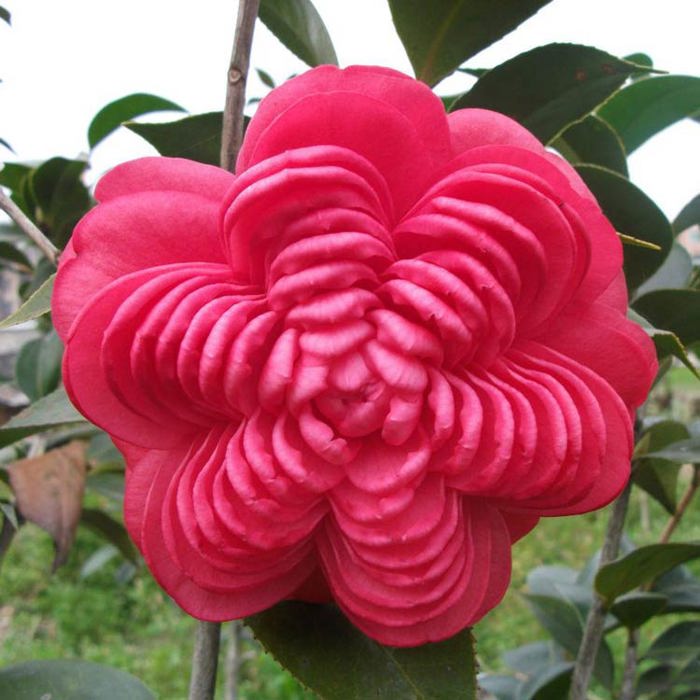
Why does your Camellia chidan have fine webbing? Diagnose the cause and fix it with our step-by-step guide.
Spider mites thrive in warm, dry conditions and feed on the undersides of Camellia leaves, injecting toxins that cause stippling. The fine webbing is a characteristic sign of a mature colony attempting to protect themselves and their eggs.
Specific to Camellias, these microscopic mites cause leaf distortion and can produce fine silken strands. While less common than spider mites, they specifically target the tender new growth of tea plants.
While thrips primarily cause silvery scarring and deformation, a heavy infestation can sometimes result in secondary silk-like strands from related micro-arthropods present in the same environment.
Your plant might also be experiencing one of these issues:

 English
 Italiano