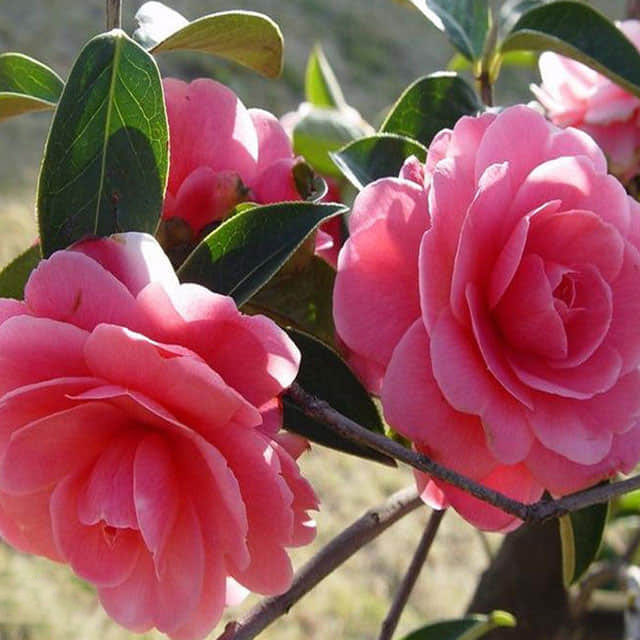
Why does your Camellia japonica have fine webbing? Diagnose the cause and fix it with our step-by-step guide.
Tiny arachnids thrive in hot, dry conditions and feed on the undersides of Camellia leaves, secreting silk that creates fine webbing. This piercing-sucking behavior causes stippling (small yellow dots) and eventual leaf drop.
A specific subset of mites that are particularly aggressive on Camellia species when humidity levels drop too low. The webbing is often more dense around new growth and terminal buds.
While less common, certain small moth larvae can spin silken webs while tunneling through buds or leaves. This usually results in more localized webbing accompanied by visible leaf damage or 'windowpane' feeding patterns.
Your plant might also be experiencing one of these issues:

 English
 Italiano