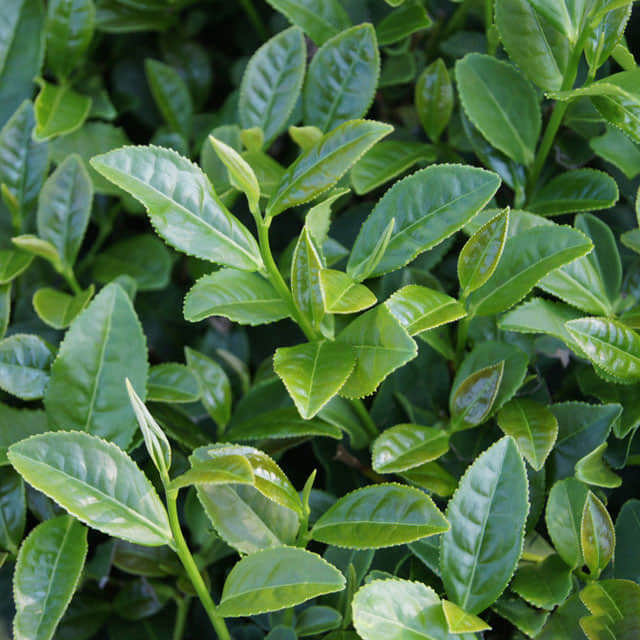
Why does your Camellia sinensis have fine webbing? Diagnose the cause and fix it with our step-by-step guide.
These microscopic arachnids thrive in warm, dry conditions common to tea plantations, piercing tea leaves to suck out cell contents. The fine webbing is a protective structure created by the mites as they colonize the undersides of the Camellia sinensis foliage.
While often causing more direct leaf damage, high populations of eriophyid mites can contribute to a fine, silken appearance on young tea shoots. They are particularly destructive during the flushing period when new growth is most tender.
In extremely humid environments without adequate airflow, certain fungal species can produce fine, thread-like mycelium that may resemble webbing. This is often accompanied by a slight dampness on the leaf surface.
Your plant might also be experiencing one of these issues:

 English
 Italiano