Canna lily Drooping Leaves
eco Drooping Leaves

Canna lily – Drooping Leaves

Why does your Canna lily have drooping leaves? Diagnose the cause and fix it with our step-by-step guide.

search Possible Causes

error

Water Stress (Underwatering or Drought)

Canna lilies are heavy drinkers and possess large leaf surface areas that facilitate rapid transpiration. When soil moisture levels drop too low, the plant loses turgor pressure, causing the large blades to wilt visibly.

Very Common
lightbulb
How to confirm: Stick your finger two inches into the soil; if it feels bone-dry, the plant requires immediate deep watering.
build How to fix it
shopping_cart Recommended Products
1 Immediately check the soil moisture level at the root zone to confirm the depth of the drought.
2 Deeply water the plant until water drains from the bottom of the pot, ensuring the large root system is fully saturated.
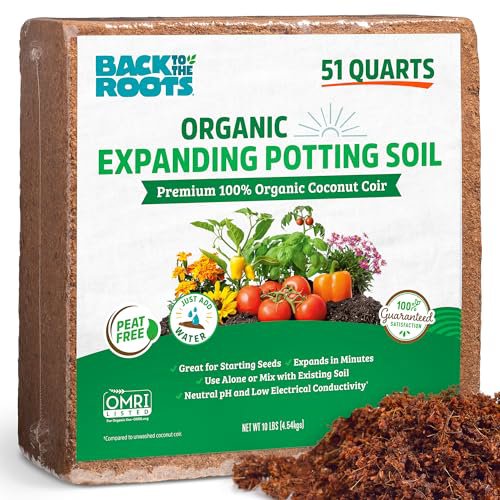
3 Apply a layer of organic mulch or coconut coir to the soil surface to help retain moisture and prevent future evaporation.
error

Root Rot (Overwatering/Poor Drainage)

While Cannas love moisture, waterlogged soil deprives roots of oxygen, leading to fungal decay. Damaged roots cannot transport water to the leaves, ironically causing them to droop even in wet soil.

Very Common
lightbulb
How to confirm: Check if the soil is muddy or has an unpleasant odor and inspect the rhizomes for softness or dark discoloration.
build How to fix it
shopping_cart Recommended Products
1 Immediately remove the plant from its current container and inspect the roots for mushy, dark, or foul-smelling decay; trim away any rotted sections using sterilized tools.
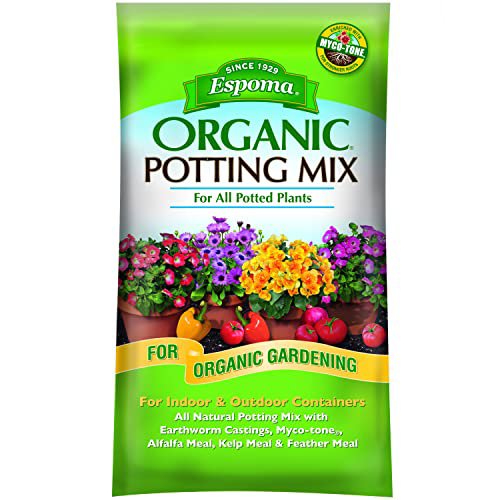
2 Repot the Canna lily in a fresh, well-draining medium and ensure the new container has adequate drainage holes to prevent future waterlogging.
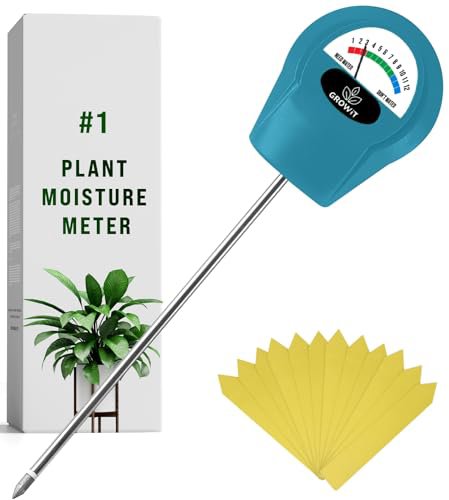
3 Use a soil moisture meter to monitor the substrate, ensuring you only water when the top inch of soil feels dry to avoid repeat overwatering.
warning

Nutrient Deficiency (Nitrogen)

As fast-growing perennials, Cannas have high nitrogen demands. A lack of nitrogen prevents the maintenance of structural integrity and chlorophyll production in the large foliage, leading to limp, pale leaves.

Common
lightbulb
How to confirm: Observe if the drooping is accompanied by a general yellowing (chlorosis) of the older, lower leaves.
build How to fix it
shopping_cart Recommended Products
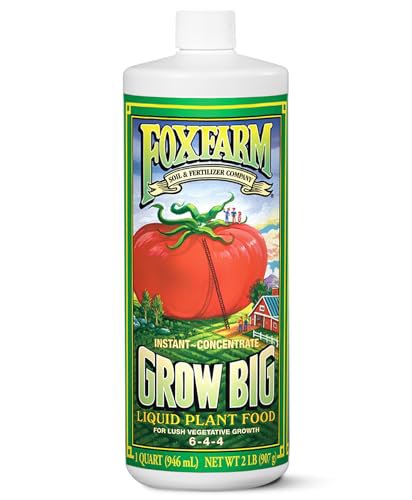
1 Apply a nitrogen-rich liquid fertilizer to boost chlorophyll production and restore leaf structural integrity.
2 Check the soil moisture levels with a moisture meter to ensure the drooping isn't actually caused by dehydration.
3 Supplement the soil with organic worm castings to provide a slow-release source of nitrogen and beneficial microbes.
info

Extreme Heat Stress

During intense summer heatwaves, Cannas may enter a temporary state of wilting to protect themselves from excessive transpiration. This is often a physiological response to high temperatures rather than a lack of water.

Rare
lightbulb
How to confirm: Observe if the leaves recover and perk up during the cooler evening or early morning hours.
build How to fix it
shopping_cart Recommended Products
1 Move the plant to a shaded or cooler location during the hottest parts of the day to reduce transpiration and heat load.
2 Monitor soil moisture levels closely to ensure the plant remains hydrated without becoming waterlogged, using a moisture meter for precision.
3 Apply a mulch layer around the base of the plant to help regulate soil temperature and retain moisture.

Other Canna lily problems

Your plant might also be experiencing one of these issues:

local_hospital All symptoms eco All plants with drooping leaves
favorite