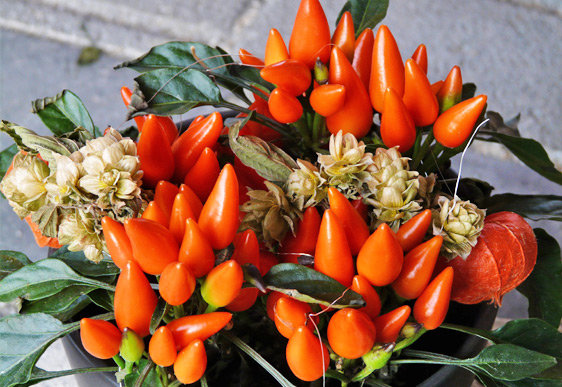
Capsicum annuum Favorit Orange Fine Webbing
eco Fine Webbing

Capsicum annuum Favorit Orange – Fine Webbing

Why does your Capsicum annuum Favorit Orange have fine webbing? Diagnose the cause and fix it with our step-by-step guide.

search Possible Causes

error

Two-Spotted Spider Mite Infestation

Tetranychus urticae are highly common pests for Capsicum species, especially in warm, dry conditions. They feed on the underside of leaves, injecting saliva that damages cells and results in characteristic fine silk webbing across the foliage.

Very Common
lightbulb
How to confirm: Hold a white piece of paper under a leaf and tap it to see if tiny specks fall off and move.
build How to fix it
shopping_cart Recommended Products
1 Apply an organic insecticide/miticide spray to the entire plant, ensuring you thoroughly coat the undersides of all leaves to eliminate spider mites and their eggs.
2 Increase local humidity and reduce dry conditions to make the environment less hospitable for spider mite reproduction.
3 Gently wipe or spray leaves with water to physically remove existing webbing and dislodge active pests.
warning

Tetranychus species (Bliss Spider Mites)

While similar to Two-Spotted mites, other mite species can thrive on pepper plants during heat waves. They create fine webbing as they migrate between leaves to lay eggs, often accompanied by stippling patterns on the leaf surface.

Common
lightbulb
How to confirm: Inspect the undersides of the youngest leaves for tiny, moving dots or translucent patches.
build How to fix it
shopping_cart Recommended Products
1 Apply an organic miticide or insecticide spray to the plant to eliminate the spider mites and their eggs.
2 Thoroughly wipe the undersides of the leaves with a damp cloth to physically remove webbing and mite populations.
3 Increase humidity around the plant and avoid heat waves, as spider mites thrive in hot, dry conditions.
warning

High Humidity/Low Air Circulation (Secondary Symptom)

While not a direct cause of webbing, stagnant, humid air around pepper plants can create a microclimate that allows spider mite populations to explode. The 'webbing' seen might be an exaggeration of the plant's stress response to poor airflow.

Common
lightbulb
How to confirm: Check if the leaves are clustered tightly together and if there is any-moving air around the plant canopy.
build How to fix it
shopping_cart Recommended Products
1 Inspect the undersides of leaves for tiny moving dots or actual silk webs to confirm if spider mites are present; if found, treat the plant with an organic insecticide.
2 Improve air circulation around the pepper plant by using a small fan or spacing plants further apart to prevent stagnant, humid microclimates.
3 Monitor soil moisture levels to ensure the plant is not being overwatered, as high soil moisture can contribute to the humid environment pests thrive in.

Other Capsicum annuum Favorit Orange problems

Your plant might also be experiencing one of these issues:

local_hospital All symptoms eco All plants with fine webbing
favorite

