Capsicum annuum Salsa Multicolor GT36 Tiny Black Flies
eco Tiny Black Flies

Capsicum annuum Salsa Multicolor GT36 – Tiny Black Flies

Why does your Capsicum annuum Salsa Multicolor GT36 have tiny black flies? Diagnose the cause and fix it with our step-by-step guide.

search Possible Causes

error

Fungus Gnats (Sciaridae)

The tiny black flies are likely adults of the fungus gnat species, which thrive in the moist organic matter found in pepper potting mixes. The larvae live in the soil and feed on decaying organic matter and fine feeder roots of the Capsicum plant.

Very Common
lightbulb
How to confirm: Place a yellow sticky trap near the base of the plant to confirm the presence of flying adults.
build How to fix it
shopping_cart Recommended Products
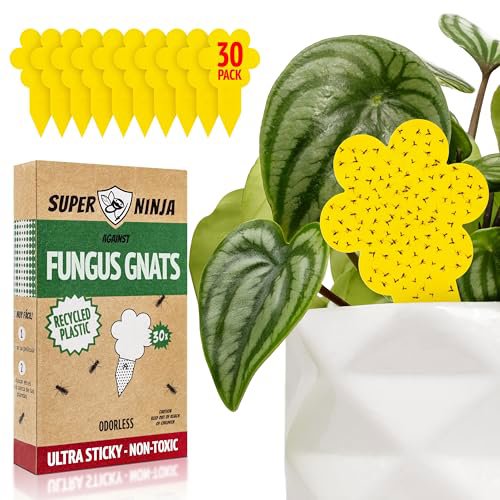
1 Deploy yellow sticky traps to capture the adult flying gnats and break the reproductive cycle.
2 Reduce watering frequency and allow the top inch of soil to dry out completely to kill larvae in the moist organic matter.
3 Top-dress the soil with a layer of horticultural perlite or sand to create a dry barrier that prevents adults from laying eggs in the soil.
warning

Black Pepper Seedling Damping Off (Soil-borne Fungi)

While the flies themselves are pests, their presence often indicates an environment that promotes fungal pathogens like Pythium or Rhizoctonia. These fungi thrive in the same overwatered conditions that attract fungus gnats, leading to stem rot in young pepper plants.

Common
lightbulb
How to confirm: Inspect the base of the stem for any dark, water-soaked lesions or sudden wilting near the soil line.
build How to fix it
shopping_cart Recommended Products
1 Reduce watering frequency and allow the top inch of soil to dry out completely to eliminate the moist environment that attracts fungus gnats and promotes soil-borne fungi.
2 Apply a biological control to target the adult flies and larvae, such as yellow sticky traps to disrupt the life cycle.
3 Improve soil aeration and drainage by mixing in horticultural perlite to prevent the waterlogged conditions that cause damping off.
warning

Pepper Fruit Fly (Tephritidae) - Infestation stage

Though usually larger, certain small dipterans can be mistaken for 'tiny black flies' if they are hovering near developing peppers. They lay eggs in the fruit, leading to internal rot that attracts more scavenging insects.

Common
lightbulb
How to confirm: Check the surface of the Salsa Pepper fruits for tiny puncture marks or soft, decaying spots.
build How to fix it
shopping_cart Recommended Products
1 Apply an organic insecticide to eliminate the adult flies and prevent them from laying eggs in the developing peppers.
2 Use yellow sticky traps to capture adult flies and monitor the population levels around your pepper plants.
3 Inspect developing peppers for soft spots or rot, and remove any infested fruit immediately to prevent further egg-laying.

Other Capsicum annuum Salsa Multicolor GT36 problems

Your plant might also be experiencing one of these issues:

local_hospital All symptoms eco All plants with tiny black flies
favorite