Capsicum annuum Tango Deep Orange White Powder
eco White Powder

Capsicum annuum Tango Deep Orange – White Powder

Why does your Capsicum annuum Tango Deep Orange have white powder? Diagnose the cause and fix it with our step-by-step guide.

search Possible Causes

error

Powdery Mildew

A fungal infection caused by Oomycetes or Ascomycetes that manifests as white, flour-like patches on the leaves of pepper plants. It thrives in high humidity and moderate temperatures, often blocking photosynthesis for the Tango Deep Orange variety.

Very Common
lightbulb
How to confirm: Check if the white spots appear as dusty patches on the leaf surface that can be rubbed off with your finger.
build How to fix it
shopping_cart Recommended Products
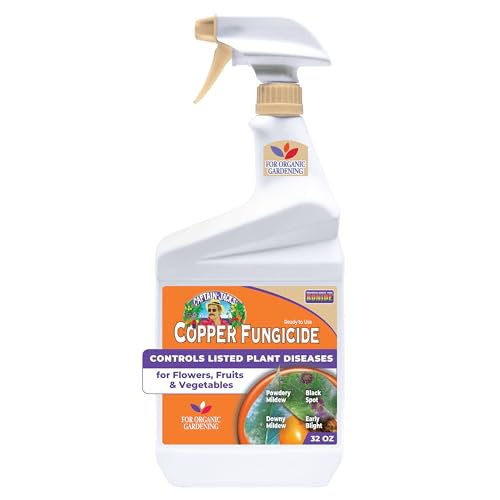
1 Apply an organic fungicide to eliminate the fungal spores and prevent the infection from spreading to healthy leaves.
2 Prune and dispose of heavily infected leaves to reduce the fungal load on the plant, ensuring you do not compost them.
3 Improve air circulation around the plant and avoid overhead watering to lower humidity levels around the foliage.
warning

Whiteflies

Small, winged insects that congregate on the undersides of pepper leaves and excrete honeydew. The 'white powder' sensation may actually be a mass of tiny white insects moving when the plant is disturbed.

Common
lightbulb
How to confirm: Gently shake a branch over a white piece of paper to see if tiny white insects fly out.
build How to fix it
shopping_cart Recommended Products
1 Apply an organic insecticide spray to the undersides of the leaves to eliminate adult whiteflies and larvae.
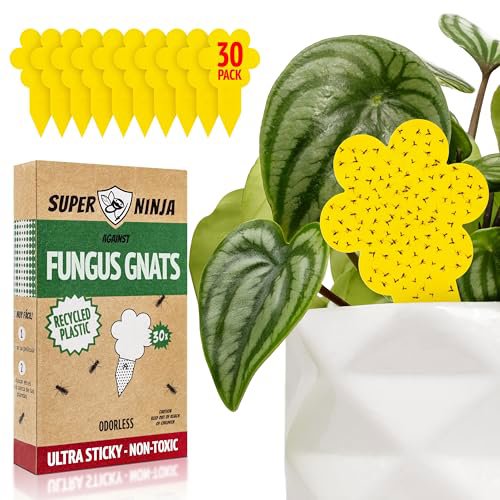
2 Deploy yellow sticky traps near the plant to capture flying adults and monitor the infestation level.
3 Clean the leaves with a damp cloth to remove honeydew buildup and prevent the growth of sooty mold.
warning

Mealybugs

These scale insects are covered in a white, waxy, cotton-like substance that can resemble powder or mold on stems and leaf axils. They suck sap from the Tango Deep Orange plant, causing leaves to yellow and wilt.

Common
lightbulb
How to confirm: Inspect the crevices of the stem and leaf junctions for small, stationary, white cottony clumps.
build How to fix it
shopping_cart Recommended Products
1 Treat the plant with an organic insecticide spray to eliminate the mealybug insects and their waxy coating.
2 Physically remove visible white clusters from stems and leaf axils using a cotton swab dipped in isopropyl alcohol.
3 Monitor the soil moisture levels to ensure the plant is not overly wet, as high humidity can encourage pest's survival.
warning

Calcium Deficiency (Salt Residue/Mineral Deposits)

While not a biological pathogen, heavy mineral buildup from hard water or fertilizer salts can leave white, crusty deposits on the leaves. This is often accompanied by blossom end rot in peppers.

Common
lightbulb
How to confirm: Check if the white substance is hard and crusty rather than soft/powdery, and look for black, sunken spots on developing fruit.
build How to fix it
shopping_cart Recommended Products
1 Flush the soil with distilled or rainwater to leach away accumulated mineral salts and fertilizer residues.
2 Apply a calcium supplement to strengthen cell walls and prevent blossom end rot.
3 Monitor soil pH and nutrient levels to ensure calcium remains bioavailable to the plant.

Other Capsicum annuum Tango Deep Orange problems

Your plant might also be experiencing one of these issues:

local_hospital All symptoms eco All plants with white powder
favorite