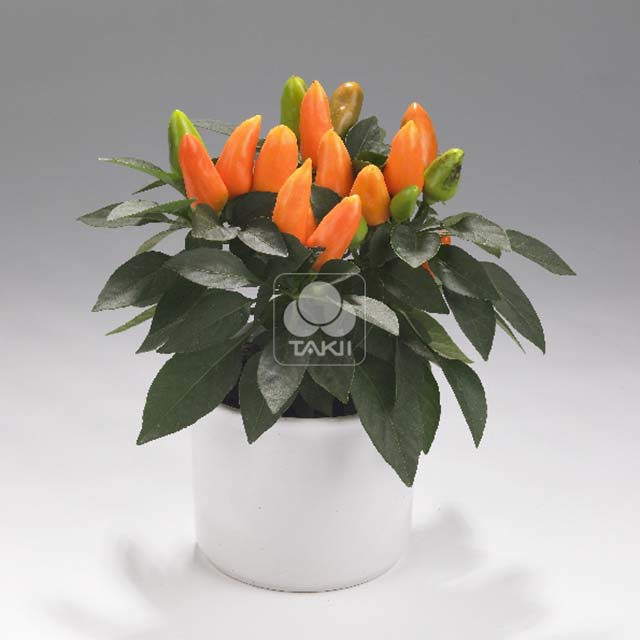
Capsicum annuum Tango Light Orange Fine Webbing
eco Fine Webbing

Capsicum annuum Tango Light Orange – Fine Webbing

Why does your Capsicum annuum Tango Light Orange have fine webbing? Diagnose the cause and fix it with our step-by-step guide.

search Possible Causes

error

Two-Spotted Spider Mite Infestation

The fine webbing is a classic sign of spider mites, which thrive in the warm, dry conditions often experienced by Capsicum annuum. These pests pierce plant cells to suck out sap, leading to stippling and eventual leaf drop.

Very Common
lightbulb
How to confirm: Look for tiny yellow/white dots on the leaf surface and tap a leaf over a white piece of paper to see if small specks start crawling.
build How to fix it
shopping_cart Recommended Products
1 Immediately spray the plant with an organic miticide to eliminate existing spider mites, eggs, and larvae.
2 Increase humidity around the plant and wipe leaves with a damp cloth to physically remove webbing and disrupt the mites' dry habitat.
3 Monitor soil moisture levels to ensure the plant is not under drought stress, as dry conditions accelerate mite reproduction.
error

Tetranychus urticae (European Red Mite) Outbreak

In many greenhouse or indoor pepper cultivation environments, this specific mite species creates dense silk webs to protect colonies. They are highly destructive to the foliage of ornamental and edible peppers.

Very Common
lightbulb
How to confirm: Inspect the undersides of the leaves specifically for small, moving reddish or orange dots among the webbing.
build How to fix it
shopping_cart Recommended Products
1 Apply an organic miticide/insecticide to the plant to eliminate the mite colonies and destroy the protective webbing.
2 Prune and dispose of heavily infested or dead foliage to prevent the mites from spreading to healthy parts of the plant.
3 Increase humidity and monitor soil moisture to ensure the environment is less conducive to mite outbreaks.
warning

Extreme Low Humidity / Desiccation

While not a biological pathogen, extremely dry air can cause the plant's fine trichomes (hairs) and cellular structure to become brittle, occasionally mimicking a webbed appearance under certain lighting. This stress makes the Tango pepper much more susceptible to mite attacks.

Common
lightbulb
How to confirm: Check if your indoor environment has dropped below 40% humidity or if there is a direct heat source near the plant.
build How to fix it
shopping_cart Recommended Products
1 Inspect the undersides of leaves and stems closely for tiny moving dots or actual spider mites, as the dry conditions have likely triggered a pest infestation.
2 Increase ambient humidity around the pepper plant to prevent further cellular brittleness and desiccation.
3 Monitor soil moisture levels regularly to ensure the plant is not experiencing drought stress alongside the low humidity.

Other Capsicum annuum Tango Light Orange problems

Your plant might also be experiencing one of these issues:

local_hospital All symptoms eco All plants with fine webbing
favorite