Catalpa speciosa Sudden Leaf Drop
eco Sudden Leaf Drop

Catalpa speciosa – Sudden Leaf Drop

Why does your Catalpa speciosa have sudden leaf drop? Diagnose the cause and fix it with our step-by-step guide.

pets Pet Friendly

search Possible Causes

error

Environmental Stress (Drought or Temperature Shock)

Catalpa speciosa is sensitive to extreme fluctuations; sudden leaf drop is a common defense mechanism during periods of intense drought or unexpected late-spring frost. The tree enters a semi-dormant state to conserve moisture in its large, thin leaves.

Very Common
lightbulb
How to confirm: Check the soil moisture levels at a depth of 2-3 inches and look for recent extreme weather events in your area.
build How to fix it
shopping_cart Recommended Products
1 Ensure the soil remains consistently moist but not waterlogged to stabilize the root zone during this period of stress.
2 Apply a deep, slow watering session around the base of the tree to help the roots recover from drought conditions.
3 Apply a balanced organic fertilizer or liquid seaweed to help the tree recover from the physiological shock and promote new growth.
warning

Phytophthora Root Rot

Excessive soil moisture or poor drainage can trigger Phytophthora species, which attack the root system of Northern Catalpa. As roots decay, they lose the ability to transport water, leading to rapid defoliation while the wood remains intact.

Common
lightbulb
How to confirm: Inspect the base of the trunk for dark, water-soaked lesions and check if the soil stays saturated for long periods.
build How to fix it
shopping_cart Recommended Products
1 Improve soil drainage immediately by aerating the root zone and ensuring the plant is not sitting in stagnant water.
2 Repot the plant into a container with superior drainage or amend existing soil with horticultural perlite to increase aeration and prevent future waterlogging.
3 Monitor soil moisture levels closely using a moisture meter to ensure the substrate remains damp but not saturated, preventing the anaerobic conditions that favor Phytophthora.
warning

Insect Infestation (Catalpa Emulators or Hornworms)

While many caterpillars consume leaf tissue, heavy infestations of larvae can strip foliage so rapidly that it appears as sudden drop. High populations of feeding insects can overwhelm the tree's ability to maintain its large leaf canopy.

Common
lightbulb
How to confirm: Examine the undersides of remaining leaves and the stems for small green larvae or dark frass (droppings).
build How to fix it
shopping_cart Recommended Products
1 Inspect the undersides of leaves and new growth for caterpillars or larvae, and manually remove any visible hornworms or emulators from the tree.
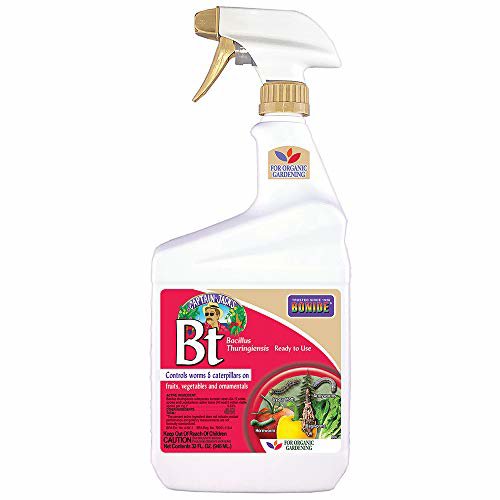
2 Apply an organic insecticide spray to the foliage to target remaining larvae and prevent further feeding damage.
3 Monitor the tree closely for new infestations and ensure the tree is not under additional stress from drought or nutrient deficiencies.
warning

Nutrient Deficiency (Nitrogen or Iron)

A sudden lack of available nutrients, often caused by leaching in sandy soils, can trigger premature senescence. This is particularly noticeable in Catalpa when the leaves turn pale yellow before dropping.

Common
lightbulb
How to confirm: Observe if the leaf drop is accompanied by chlorosis (yellowing) specifically between the leaf veins.
build How to fix it
shopping_cart Recommended Products
1 Apply a nitrogen-rich organic fertilizer to replenish soil nutrients and prevent further leaf drop.
2 Incorporate organic matter like worm castings into the soil to improve nutrient retention and prevent future leaching.
3 Monitor soil moisture levels to ensure consistent hydration, as extreme dry or wet cycles can exacerbate nutrient unavailability.
local_hospital All symptoms eco All plants with sudden leaf drop
favorite