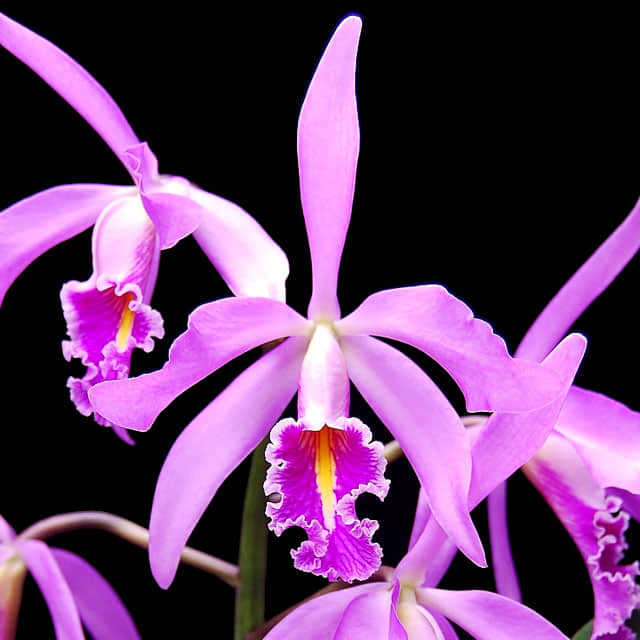
Cattleya maxima Sticky Leaves
eco Sticky Leaves

Cattleya maxima – Sticky Leaves

Why does your Cattleya maxima have sticky leaves? Diagnose the cause and fix it with our step-by-step guide.

pets Pet Friendly

search Possible Causes

error

Scale Insects

Scale insects attach to the pseudobulbs and leaves of the Cattleya, secreting honeydew as they feed on plant sap. This sticky substance attracts sooty mold, which can eventually coat the leaves in a dark film.

Very Common
lightbulb
How to confirm: Inspect the base of the leaves and crevices of the pseudobulbs for small, hard, brown bumps that do not move.
build How to fix it
shopping_cart Recommended Products
1 Apply an organic insecticide spray to the leaves and pseudobulbs to kill the scale insects and their eggs.
2 Gently wipe the sticky honeydew and any dark sooty mold off the leaves using a soft cloth dampened with water or insecticidal soap.
3 Inspect the plant regularly and use a cotton swab dipped in alcohol to manually remove any visible scale insects from crevices.
error

Aphid Infestation

Aphids are soft-bodied insects that congregate on new growth and flower buds of Cattleya maxima, excreting large amounts of sticky honeydew. Their feeding can cause leaf distortion and stunted growth in young orchid tissues.

Very Common
lightbulb
How to confirm: Look for tiny, pear-shaped green or black insects clustered near the tender new shoots or developing flower spikes.
build How to fix it
shopping_cart Recommended Products
1 Apply an organic insecticide to eliminate the aphid population and stop the production of honeydew.
2 Gently wipe the sticky residue from the leaves using a soft cloth and water to prevent fungal growth.
3 Inspect new growth and flower buds regularly to ensure pests do not return to the orchid.
warning

Mealybugs

Mealybugs produce honeydew and are often found in the tight junctions of Cattleya leaves. They are covered in a white, waxy substance that can make the surrounding leaf surface feel tacky.

Common
lightbulb
How to confirm: Search for small, white, cottony patches tucked deep within the leaf axils or at the base of the rhizome.
build How to fix it
shopping_cart Recommended Products
1 Isolate the plant immediately to prevent the spread of mealybugs to other greenery and wipe the white, waxy insects off the leaves using a cotton swab dipped in alcohol.
2 Apply an organic insecticide spray to the plant, ensuring you coat the tight junctions of the leaves where pests hide.
3 Monitor the plant's environment and use a moisture meter to ensure humidity remains high but soil does not stay waterlogged, which can attract pests.
warning

Excessive Liquid Fertilizer Residue

Over-application of water-soluble fertilizers can lead to salt buildup on the leaf surface. When this residue dries, it leaves a tacky or crusty film that mimics insect honeydew.

Common
lightbulb
How to confirm: Check if the stickiness is accompanied by white, powdery mineral deposits on the leaf edges and wipe it with a damp cloth to see if it disappears.
build How to fix it
shopping_cart Recommended Products
1 Gently wipe the leaves with a soft, damp cloth to remove the sticky fertilizer residue and prevent salt buildup from damaging the plant tissue.
2 Flush the potting medium with plenty of fresh, distilled, or rainwater to leach out excess mineral salts from the root zone.
3 Adjust your feeding schedule to a more diluted concentration, using a balanced liquid fertilizer like FoxFarm Grow Big to support healthy growth without residue buildup.
local_hospital All symptoms eco All plants with sticky leaves
favorite