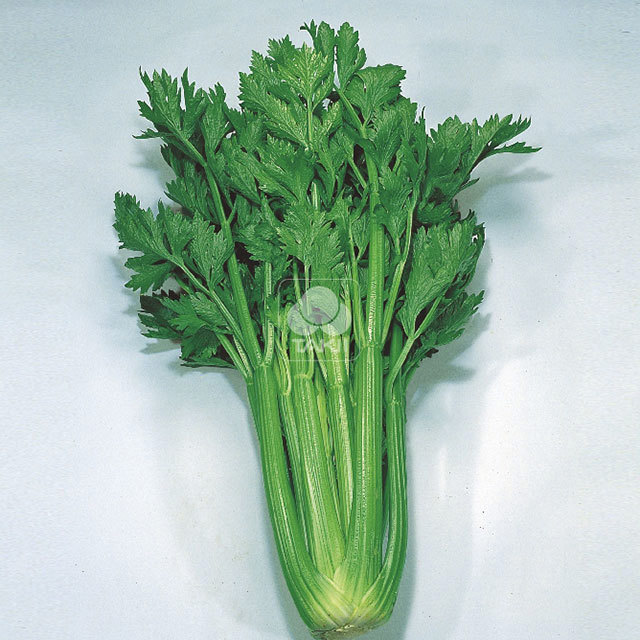
Celery Darklet F1 Tiny Black Flies
eco Tiny Black Flies

Celery Darklet F1 – Tiny Black Flies

Why does your Celery Darklet F1 have tiny black flies? Diagnose the cause and fix it with our step-by-step guide.

pets Pet Friendly

search Possible Causes

error

Fungus Gnats (Sciaridae)

The tiny black flies are likely fungus gnat adults, whose larvae feed on organic matter and fine root hairs in the soil. In Celery, heavy infestations can damage the shallow root system essential for moisture uptake, leading to wilting.

Very Common
lightbulb
How to confirm: Set a yellow sticky trap near the base of the celery stalks to confirm adult fly presence.
build How to fix it
shopping_cart Recommended Products
1 Deploy yellow sticky traps to capture the adult flying gnats and break the reproductive cycle.
2 Reduce watering frequency and allow the top inch of soil to dry out to disrupt the larvae's moist habitat.
3 Apply a microbial-based soil drench to target the larvae in the organic matter.
warning

Black Bean Aphids (Aphis fabae)

While typically slower-moving, certain aphid species can be mistaken for small flies when swarming. They suck sap from the tender celery ribs and leaves, often causing stunting or leaf curling.

Common
lightbulb
How to confirm: Inspect the underside of the dark green celery leaves for small, soft-bodied insects and sticky honeydew residue.
build How to fix it
shopping_cart Recommended Products
1 Apply an organic insecticide spray to eliminate the aphid population on contact and protect tender celery ribs.
2 Use yellow sticky traps to capture any flying adults and monitor the severity of the infestation.
3 Inspect the undersides of leaves and remove heavily infested stems to prevent the spread to healthy plants.
warning

Leafminers (Liriomyza spp.)

The 'flies' may be adult leafminer flies that lay eggs inside the celery leaves. As larvae hatch, they create characteristic serpentine tunnels within the leaf tissue, which can weaken the structural integrity of the stalks.

Common
lightbulb
How to confirm: Look for thin, winding white or translucent trails specifically on the surface of the celery leaves.
build How to fix it
shopping_cart Recommended Products
1 Apply an organic insecticide to eliminate adult flies and prevent further egg-laying on the celery leaves.
2 Inspect leaves for serpentine tunnels and carefully prune away any heavily damaged foliage to reduce the larvae population.
3 Use yellow sticky traps to capture adult flies and monitor the plant for new infestations.
local_hospital All symptoms eco All plants with tiny black flies
favorite