Chinese Cabbage Questar F1 Drooping Leaves
eco Drooping Leaves

Chinese Cabbage Questar F1 – Drooping Leaves

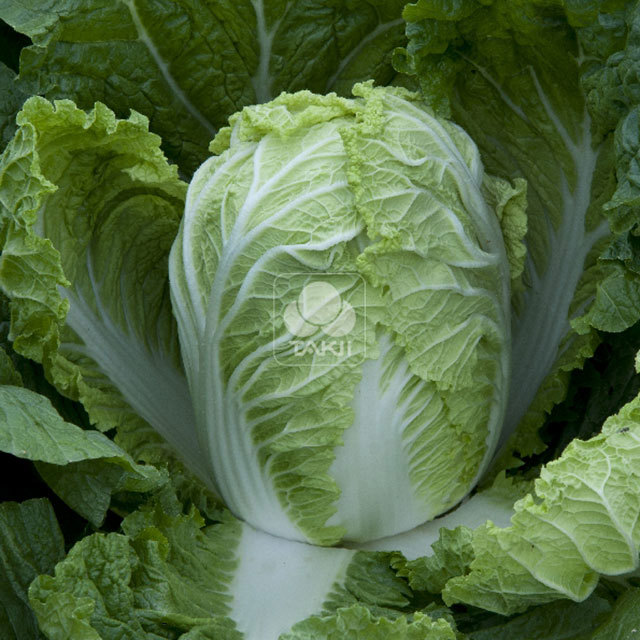
Why does your Chinese Cabbage Questar F1 have drooping leaves? Diagnose the cause and fix it with our step-by-step guide.

search Possible Causes

error

Water Stress (Drought or Overwatering)

Chinese cabbage has large, shallow leaf surfaces that lose moisture quickly. Both lack of soil moisture and waterlogged soils can cause turgor loss, leading to the characteristic wilting of the heavy leaves.

Very Common
lightbulb
How to confirm: Stick your finger 2 inches into the soil to check if it is bone dry or excessively muddy.
build How to fix it
shopping_cart Recommended Products
1 Check the soil moisture level at the root zone using a moisture meter to determine if the plant is suffering from drought or overwatering.
2 If the soil is bone dry, water the plant thoroughly; if the soil is waterlogged, ensure the pot has proper drainage and allow the top inch of soil to dry out before next watering.
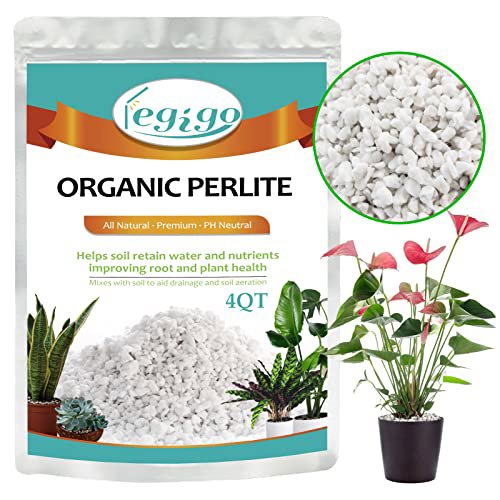
3 For long-term moisture stability, consider adding perlite to your potting mix to improve aeration and drainage.
warning

Fusarium Wilt

This soil-borne fungus attacks the vascular system of the cabbage, blocking water transport. This results in progressive drooping and yellowing that often starts on one side of the plant.

Common
lightbulb
How to confirm: Cut a small section of the stem near the base to check for brown, discolored vascular tissue.
build How to fix it
shopping_cart Recommended Products
1 Immediately remove and destroy the infected plant and any surrounding debris to prevent the soil-borne fungus from spreading to healthy cabbage plants.
2 Sterilize all gardening tools, such as your pruning shears, with alcohol to avoid transferring the fungus to other plants.
3 Avoid overwatering and ensure the soil has excellent drainage by incorporating perlite or coarse sand into the planting area to reduce moisture-driven fungal spread.
warning

Bacterial Soft Rot (Pectobacterium)

Bacteria attack the plant tissues, often entering through wounds, causing the leaves to lose structural integrity and collapse into a mushy, foul-smelling mass.

Common
lightbulb
How to confirm: Check if the drooping leaves feel slimy or emit a strong, unpleasant odor.
build How to fix it
shopping_cart Recommended Products
1 Immediately remove and destroy all infected, mushy, or foul-smelling plant tissue to prevent the bacteria from spreading to healthy parts of the plant.
2 Apply a copper-based fungicide to the remaining healthy foliage to help control the spread of bacterial pathogens.
3 Improve soil drainage and reduce moisture around the base of the plant to create an environment less favorable to bacterial growth.
warning

Nitrogen Deficiency

As a leafy green, Questar F1 requires high nitrogen levels for structural cell wall development. Low nitrogen causes older leaves to pale and lose the strength needed to hold themselves upright.

Common
lightbulb
How to confirm: Observe if the drooping is accompanied by a distinct yellowing (chlorosis) of the older, bottom leaves.
build How to fix it
shopping_cart Recommended Products
1 Apply a nitrogen-rich liquid fertilizer to boost leafy green development and restore leaf strength.
2 Monitor soil moisture levels using a moisture meter to ensure the plant is not drooping due to dehydration.
3 Supplement the soil with organic worm castings to provide a slow-release source of nitrogen and beneficial microbes.

Other Chinese Cabbage Questar F1 problems

Your plant might also be experiencing one of these issues:

local_hospital All symptoms eco All plants with drooping leaves
favorite