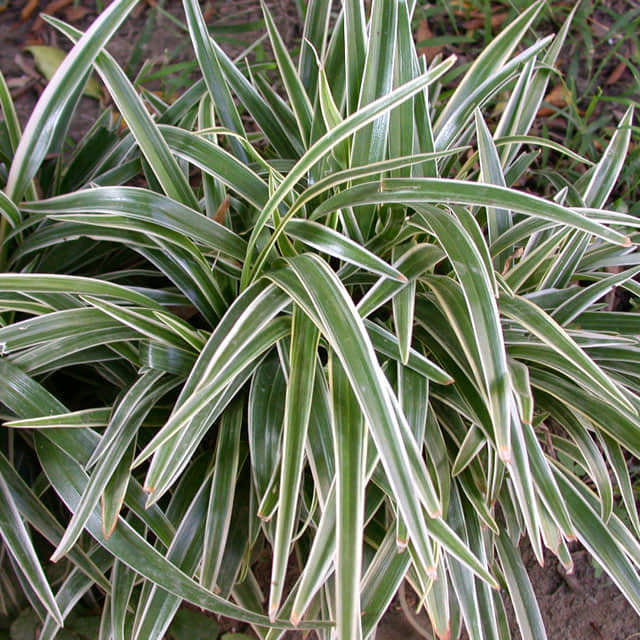
Chlorophytum comosum Bichetii Brown Leaf Tips
eco Brown Leaf Tips

Chlorophytum comosum Bichetii – Brown Leaf Tips

Why does your Chlorophytum comosum Bichetii have brown leaf tips? Diagnose the cause and fix it with our step-by-step guide.

pets Pet Friendly

search Possible Causes

error

Fluoride or Chlorine Toxicity

Spider plants are highly sensitive to fluoride, chlorine, and calcium salts found in municipal tap water. These elements accumulate in the leaf tips of Chlorophytum comosum, causing the tissue to desiccate and turn brown.

Very Common
lightbulb
How to confirm: Check if the browning is strictly limited to the very tips of the leaves even when soil moisture is adequate.
build How to fix it
shopping_cart Recommended Products
1 Switch to distilled water, rainwater, or water that has been left out for 24 hours to allow chlorine to dissipate.
2 Use a moisture meter to ensure you are not overwatering, as excess moisture can exacerbate the appearance of tip burn.
3 Trim the brown tips using sterilized scissors, taking care not to cut into the healthy green tissue to prevent further stress.
error

Low Humidity / Dry Air

As a tropical plant, Bichetii prefers higher humidity levels; dry indoor air (especially during winter heating) causes rapid transpiration that the roots cannot keep up with, leading to tip necrosis.

Very Common
lightbulb
How to confirm: Observe if the browning correlates with seasonal changes or proximity to heating vents/air conditioners.
build How to fix it
shopping_cart Recommended Products
1 Increase local humidity by placing the plant on a pebble tray or using a fine mist spray bottle to hydrate the foliage.
2 Use a humidifier near the plant to maintain a consistent moisture level in the air, especially during winter months.
3 Trim the brown, necrotic tips with sterilized scissors to improve the plant's appearance, being careful not to cut into the healthy green tissue.
warning

Underwatering and Soil Desiccation

When the soil substrate dries out completely for extended periods, the plant sacrifices the furthest extremities of the leaves to preserve moisture in the core.

Common
lightbulb
How to confirm: Insert your finger 2 inches into the soil to see if it feels bone-dry throughout the pot.
build How to fix it
shopping_cart Recommended Products
1 Immediately deep-water the plant to rehydrate the desiccated soil, ensuring water reaches the bottom of the pot.
2 Monitor soil moisture levels regularly using a moisture meter to prevent the substrate from drying out completely in the future.
3 Trim away the dead brown tips with clean scissors to improve the plant's aesthetic and prevent further moisture loss.
warning

Salt Accumulation from Fertilization

Excessive buildup of mineral salts from fertilizer can cause osmotic stress, drawing moisture out of the leaf cells and resulting in scorched-looking brown tips.

Common
lightbulb
How to confirm: Check for a white, crusty residue on the surface of the soil or the rim of the pot.
build How to fix it
shopping_cart Recommended Products
1 Flush the soil thoroughly with room-temperature distilled or filtered water to leach out accumulated mineral salts from the root zone.
2 Prune the brown, scorched tips using sterilized scissors to improve the plant's appearance and prevent further stress.
3 Switch to a more diluted fertilization schedule and use a moisture meter to ensure you are not overwatering, which can exacerbate salt buildup.
local_hospital All symptoms eco All plants with brown leaf tips
favorite


