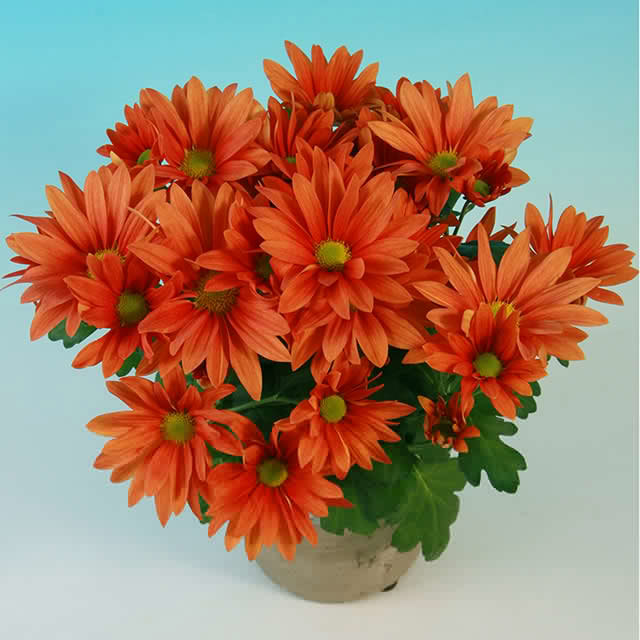
Chrysanthemum Adriano Drooping Leaves
eco Drooping Leaves

Chrysanthemum Adriano – Drooping Leaves

Why does your Chrysanthemum Adriano have drooping leaves? Diagnose the cause and fix it with our step-by-step guide.

search Possible Causes

error

Underwatering and Drought Stress

Chrysanthemums have relatively shallow root systems that are sensitive to moisture fluctuations. When soil dries out completely, the plant loses turgor pressure, causing the leaves to wilt and droop.

Very Common
lightbulb
How to confirm: Stick your finger one inch into the soil; if it is bone dry, the plant requires immediate watering.
build How to fix it
shopping_cart Recommended Products
1 Immediately check the soil moisture level using a probe to confirm the depth of the drought stress.
2 Thoroughly water the plant until water drains from the bottom of the pot, ensuring the entire root ball is saturated.
3 To prevent future drought, consider using a self-watering system or a moisture-retaining substrate like perlite to stabilize hydration.
error

Root Rot (Overwatering)

Excessive moisture in the substrate prevents oxygen from reaching the roots, leading to fungal decay. As roots die off, they can no longer transport water upward, resulting in leaves that appear wilted despite wet soil.

Very Common
lightbulb
How to confirm: Gently lift the plant from its pot to check if the roots are dark brown and slimy rather than firm and white.
build How to fix it
shopping_cart Recommended Products
1 Immediately stop watering and allow the soil to dry out completely. Use a moisture meter to monitor the substrate and ensure you do not water again until the top inch of soil is dry.
2 Repot the plant in a fresh, well-draining potting mix and a container with adequate drainage holes to prevent future water pooling.
3 Carefully inspect the root system and prune away any mushy, black, or foul-smelling decayed roots using sterilized shears.
warning

Temperature Stress (Heat Scorch)

Chrysanthemums prefer cooler temperatures; extreme heat causes high transpiration rates that exceed the plant's ability to pull water from the soil. This leads to rapid wilting during peak daylight hours.

Common
lightbulb
How to confirm: Observe if the drooping recovers significantly during the cooler evening or early morning hours.
build How to fix it
shopping_cart Recommended Products
1 Move the plant to a cooler, shaded location or provide afternoon shade to reduce transpiration and prevent further heat scorch.
2 Monitor soil moisture levels closely to ensure the plant remains hydrated during heat waves, using a moisture meter to prevent dehydration.
3 Apply a mulch layer or use a pebble tray to help stabilize soil temperature and maintain consistent moisture around the roots.
warning

Fusarium Wilt (Fungal Pathogen)

This soil-borne fungus invades the vascular system of the Chrysanthemum, physically blocking the flow of water and nutrients. This typically presents as progressive drooping, often starting on one side of the plant or specific branches.

Common
lightbulb
How to confirm: Inspect the base of the stem for any darkening or discoloration within the internal tissue.
build How to fix it
shopping_cart Recommended Products
1 Immediately remove and destroy any heavily infected plant material and avoid touching healthy plants to prevent spreading the fungal spores.
2 Apply a fungicide to protect remaining healthy tissue and manage the fungal spread.
3 Sterilize all pruning tools with alcohol after use and repot the plant in fresh, well-draining soil to reduce soil-borne pathogen load.

Other Chrysanthemum Adriano problems

Your plant might also be experiencing one of these issues:

local_hospital All symptoms eco All plants with drooping leaves
favorite