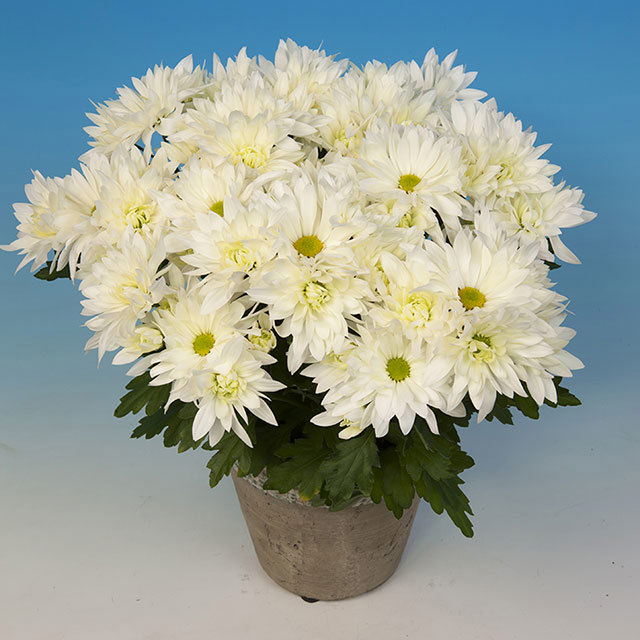
Chrysanthemum Anderson White Yellow Leaves
eco Yellow Leaves

Chrysanthemum Anderson White – Yellow Leaves

Why does your Chrysanthemum Anderson White have yellow leaves? Diagnose the cause and fix it with our step-by-step guide.

search Possible Causes

error

Overwatering and Root Suffocation

Chrysanthemums are sensitive to waterlogged soil, which leads to hypoxia in the root zone. This prevents the roots from transporting essential nutrients, causing older leaves to turn yellow and eventually drop.

Very Common
lightbulb
How to confirm: Stick your finger two inches into the soil; if it feels saturated or muddy, you are overwatering.
build How to fix it
shopping_cart Recommended Products
1 Immediately stop watering and allow the soil to dry out completely before the next watering session.
2 Repot the plant into a container with superior drainage and refresh the medium with a well-aerating mix containing perlite to prevent future waterlogging.
3 Inspect the roots for any signs of rot; if mushy or dark, prune them carefully and treat the plant with a microbial inoculant to support root recovery.
error

Nitrogen Deficiency

Nitrogen is a mobile nutrient in Chrysanthemums; when levels are low, the plant moves nitrogen from older foliage to new growth. This manifests as a uniform yellowing of the lower leaves first.

Very Common
lightbulb
How to confirm: Observe if the yellowing started on the bottom leaves and check if the new growth looks significantly smaller and paler.
build How to fix it
shopping_cart Recommended Products
1 Apply a nitrogen-rich liquid fertilizer to provide immediate nutrient uptake for the plant.
2 Incorporate an organic soil amendment like worm castings to provide a slow-release source of nitrogen and improve long-term soil health.
3 Monitor soil moisture levels using a moisture meter to ensure the plant can effectively absorb the newly applied nutrients.
warning

Pythium Root Rot

This fungal pathogen thrives in the damp conditions often found in Chrysanthemum pots, attacking the root system. As roots decay, the plant loses its ability to maintain chlorophyll, resulting in chlorosis.

Common
lightbulb
How to confirm: Gently lift the plant from its pot to see if the roots are dark brown and slimy rather than firm and white.
build How to fix it
shopping_cart Recommended Products
1 Immediately remove the plant from its current container and prune away any mushy, dark, or foul-smelling roots to stop the spread of the pathogen.
2 Repot the Chrysanthemum in a fresh, well-draining medium enriched with perlite to improve aeration and prevent future dampness.
3 Monitor the soil moisture levels closely using a moisture meter to ensure you only water when the top inch of soil is dry, preventing the waterlogged conditions Pythium requires.
warning

Iron Chlorosis

If the soil pH is too high (alkaline), Chrysanthemums cannot absorb iron effectively. This causes yellowing between the leaf veins, while the veins themselves remain green.

Common
lightbulb
How to confirm: Check if the yellowing pattern features distinct green veins against a yellow leaf surface, especially on newer growth.
build How to fix it
shopping_cart Recommended Products
1 Test your soil pH to confirm if it is too alkaline (above 7.0), as high pH prevents iron uptake.
2 Apply a chelated iron supplement or a specialized fertilizer to help the plant access iron more easily.
3 Amend the soil with organic matter or acidifying amendments to lower the pH level.

Other Chrysanthemum Anderson White problems

Your plant might also be experiencing one of these issues:

local_hospital All symptoms eco All plants with yellow leaves
favorite