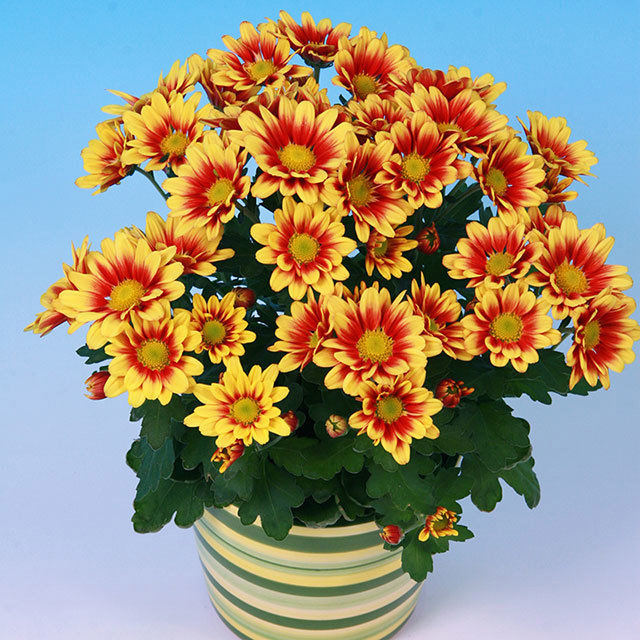
Chrysanthemum Elber Drooping Leaves
eco Drooping Leaves

Chrysanthemum Elber – Drooping Leaves

Why does your Chrysanthemum Elber have drooping leaves? Diagnose the cause and fix it with our step-by-step guide.

search Possible Causes

error

Water Stress (Underwatering or Overwatering)

Chrysanthemums have high transpiration rates; if the soil dries out too quickly, the cells lose turgor pressure causing drooping. Conversely, saturated soil can cause root hypoxia and root rot, preventing the plant from absorbing water.

Very Common
lightbulb
How to confirm: Insert your finger 2 inches into the soil to check if it is bone dry or excessively muddy.
build How to fix it
shopping_cart Recommended Products
1 Check the soil moisture level at the root zone using a moisture meter to determine if the plant is suffering from dehydration or root rot.
2 If the soil is bone dry, thoroughly water the plant until water drains from the bottom; if the soil is saturated, allow it to dry out completely before next watering.
3 Ensure the plant is in a pot with excellent drainage and consider adding perlite to the soil to improve aeration and prevent future waterlogging.
warning

Fusarium Wilt (Fusarium oxysporum f. sp. chrysanthemi)

This fungal pathogen invades the vascular system of the Chrysanthemum, physically blocking water transport and leading to progressive drooping and wilting.

Common
lightbulb
How to confirm: Examine the base of the stem for any browning or discoloration of the internal vascular tissue.
build How to fix it
shopping_cart Recommended Products
1 Immediately remove and destroy any heavily infected plant material and avoid touching healthy plants to prevent spreading the fungal spores.
2 Sterilize all pruning tools using rubbing alcohol or a disinfectant between every cut to prevent cross-contamination of the pathogen.
3 Improve soil drainage and aeration by incorporating perlite into the potting medium to reduce the damp, stagnant conditions that favor fungal growth.
warning

Temperature Stress (Heat Scorch)

Chrysanthemums prefer cooler temperatures; excessive heat causes the leaves to wilt as the plant attempts to cool itself through transpiration faster than the roots can supply water.

Common
lightbulb
How to confirm: Check if the drooping occurs specifically during the hottest part of the day and recovers at night.
build How to fix it
shopping_cart Recommended Products
1 Move the plant to a cooler, shaded location away from direct afternoon sun to reduce transpiration rates and prevent further heat scorch.
2 Monitor soil moisture levels closely to ensure the plant remains hydrated during heat waves, using a moisture meter to prevent dehydration.
3 Apply a liquid seaweed fertilizer to help the plant recover from environmental stress and boost nutrient uptake.
warning

Nutrient Deficiency (Nitrogen or Magnesium)

A lack of essential macronutrients can impair the structural integrity and metabolic processes of the leaves, leading to a loss of vigor and drooping appearance.

Common
lightbulb
How to confirm: Look for accompanying symptoms like yellowing (chlorosis) of older leaves alongside the drooping.
build How to fix it
shopping_cart Recommended Products
1 Apply a nitrogen-rich liquid fertilizer to restore leaf vigor and structural integrity.
2 Supplement with a magnesium-rich fertilizer to address potential magnesium deficiency and support metabolic processes.
3 Use a soil moisture meter to ensure the drooping is not actually caused by underwatering or overwatering.

Other Chrysanthemum Elber problems

Your plant might also be experiencing one of these issues:

local_hospital All symptoms eco All plants with drooping leaves
favorite