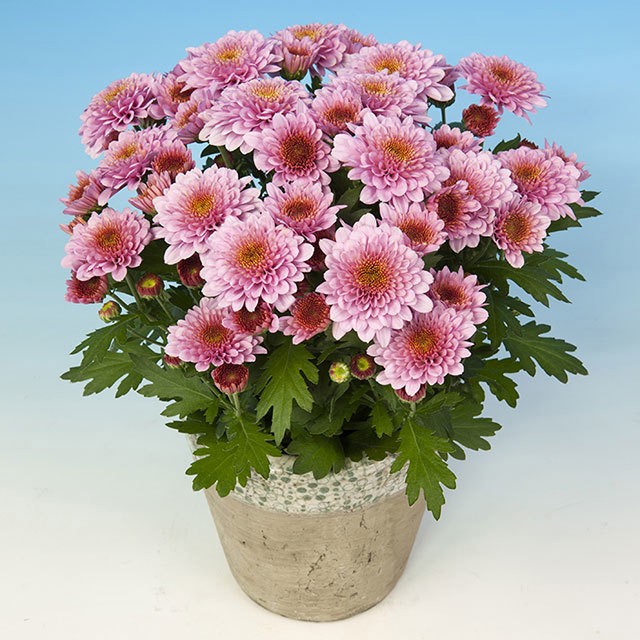
Chrysanthemum Givanildo Fine Webbing
eco Fine Webbing

Chrysanthemum Givanildo – Fine Webbing

Why does your Chrysanthemum Givanildo have fine webbing? Diagnose the cause and fix it with our step-by-step guide.

search Possible Causes

error

Two-Spotted Spider Mite (Tetranychus urticae)

This is the most common cause of fine webbing on Chrysanthemums, especially in warm, dry conditions. These arachnids feed on the undersides of leaves, piercing cells and leaving behind silk webs as they move and reproduce.

Very Common
lightbulb
How to confirm: Hold a white piece of paper underneath a leaf and tap the leaf sharply to see if tiny specks fall onto the paper.
build How to fix it
shopping_cart Recommended Products
1 Apply an organic miticide or insecticide spray to the plant, ensuring you thoroughly coat the undersides of all leaves to eliminate spider mites and their eggs.
2 Increase local humidity around the plant and avoid dry, warm air, as spider mites thrive in arid conditions.
3 Gently wipe the leaves with a damp cloth to physically remove webbing and any remaining pests from the foliage.
error

Southern Yellow Stickiness (Spider Mite infestation progression)

As spider mite populations grow on Chrysanthemums, the webbing becomes denser and more structural, often covering entire leaf clusters or flower buds. This inhibits photosynthesis and can lead to premature leaf drop.

Very Common
lightbulb
How to confirm: Inspect the undersides of the leaves for small, moving dots or fine stippling (tiny white/yellow spots) beneath the webs.
build How to fix it
shopping_cart Recommended Products
1 Apply an organic insecticide/miticide spray to eliminate the spider mite population and destroy existing eggs and larvae.
2 Prune and discard heavily infested or webbed leaf clusters to prevent the mites from spreading to healthy parts of the plant.
3 Increase humidity around the plant and monitor soil moisture to create an environment less favorable to spider mite reproduction.
warning

Edema (Physiological)

While not a direct cause of webbing, extreme fluctuations in moisture can cause cells to burst, creating a sticky residue that traps dust and environmental debris, which may look like fine filaments. This often occurs when Chrysanthemums are overwatered in high humidity.

Common
lightbulb
How to confirm: Look for small, corky-looking blisters or bumps on the edges of the leaves alongside the webbing.
build How to fix it
shopping_cart Recommended Products
1 Inspect the plant closely for tiny moving organisms to confirm if the webbing is actually Spider Mites rather than environmental debris.
2 Stabilize the watering schedule to prevent moisture fluctuations, ensuring the soil dries out slightly between waterings to avoid cell bursting.
3 Improve air circulation around the Chrysanthemum to reduce the high humidity that contributes to edema and sticky residue buildup.
local_hospital All symptoms eco All plants with fine webbing
favorite

