Chrysanthemum Manga Fine Webbing
eco Fine Webbing

Chrysanthemum Manga – Fine Webbing

Why does your Chrysanthemum Manga have fine webbing? Diagnose the cause and fix it with our step-by-step guide.

search Possible Causes

error

Two-Spotted Spider Mites (Tetranychus urticae)

Spider mites thrive in the warm, dry conditions often experienced by Chrysanthemums. The 'fine webbing' is a protective silk web produced by the mites to move across the foliage and protect their eggs.

Very Common
lightbulb
How to confirm: Hold a white piece of paper underneath a leaf and tap it sharply to see if tiny moving dots fall onto the paper.
build How to fix it
shopping_cart Recommended Products
1 Immediately spray the plant with an organic insecticide/miticide to kill existing mites, eggs, and larvae.
2 Increase humidity around the plant and ensure the soil remains moist, as spider mites thrive in dry environments.
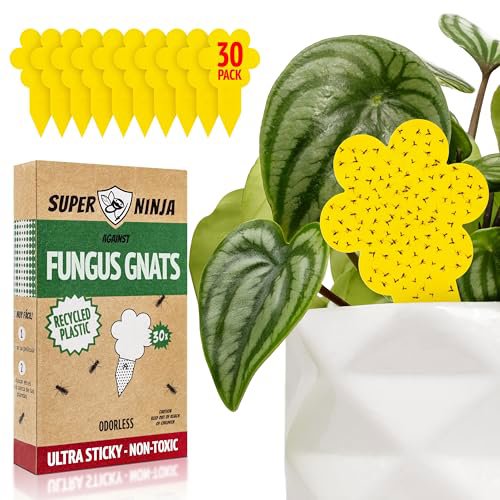
3 Use yellow sticky traps to capture adult mites and monitor for new infestations.
warning

Cyclamen Mites (Phthorimaea operculella)

While less common than spider mites, these pests can cause structural webbing and leaf distortion on Chrysanthemums by feeding on the tender plant tissues.

Common
lightbulb
How to confirm: Inspect the undersides of leaves and new buds for much denser, irregular webbing compared to typical spider mite silk.
build How to fix it
shopping_cart Recommended Products
1 Apply an organic insecticide spray to the plant to eliminate mites and destroy any remaining eggs or larvae.
2 Inspect the undersides of leaves and crevices for webbing, and wipe the plant down with a damp cloth to physically remove pest debris.
3 Use yellow sticky traps near the plant to capture adult mites and monitor for any new infestations.
warning

Low Humidity and Environmental Stress

Extreme dehydration can cause leaf curling and fine, desiccated filaments that may look like webbing, though they lack the active movement of mites.

Common
lightbulb
How to confirm: Check if the leaves feel brittle and if the surrounding air is particularly dry or near a heating vent.
build How to fix it
shopping_cart Recommended Products
1 Increase ambient humidity around the plant to prevent further leaf curling and desiccation.
2 Monitor soil moisture levels closely to ensure the plant is not experiencing extreme dehydration.
3 Apply a fine mist of water to the foliage to provide immediate relief from environmental stress.
local_hospital All symptoms eco All plants with fine webbing
favorite