Chrysanthemum Neves Fine Webbing
eco Fine Webbing

Chrysanthemum Neves – Fine Webbing

Why does your Chrysanthemum Neves have fine webbing? Diagnose the cause and fix it with our step-by-step guide.

search Possible Causes

error

Two-Spotted Spider Mite (Tetranychus urticae)

This is the most common cause of fine webbing on Chrysanthemums. These arachnids thrive in warm, dry conditions and create silk webs to protect themselves and their eggs while feeding on leaf parenchyma.

Very Common
lightbulb
How to confirm: Hold a white piece of paper underneath a leaf and tap it sharply to see if tiny crawling dots fall onto the paper.
build How to fix it
shopping_cart Recommended Products
1 Apply an organic insecticide/miticide spray to the plant to eliminate the spider mites and their eggs.
2 Increase humidity and reduce heat around the plant, as spider mites thrive in warm, dry environments.
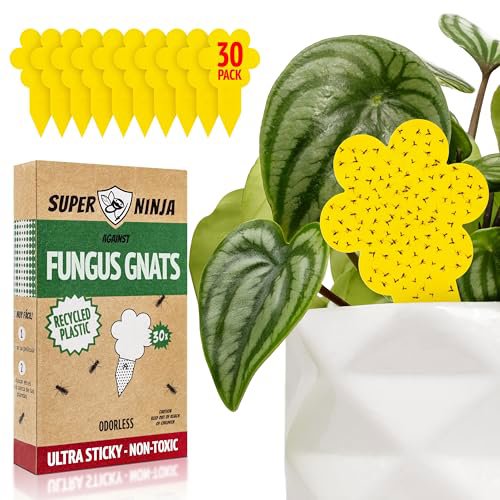
3 Use yellow sticky traps to capture adult mites and monitor for any new infestations.
warning

Tetranychid Mite Infestation (General)

Beyond the two-spotted variety, other species of mite can cause webbing, especially in high-humidity greenhouse environments or during periods of low ambient humidity.

Common
lightbulb
How to confirm: Inspect the undersides of the leaves for small, yellowish stippling marks alongside the webbing.
build How to fix it
shopping_cart Recommended Products
1 Apply an organic miticide or insecticide spray to the plant to eliminate the mite population and destroy eggs.
2 Increase ambient humidity and wipe leaves with a damp cloth to physically remove webbing and disrupt the mite's environment.
3 Monitor the plant regularly using yellow sticky traps to capture migrating mites and detect new infestations early.
warning

Extreme Desiccation (Low Humidity)

While not a primary cause of silk production, extremely dry air can cause delicate plant hairs and debris to clump together in a way that mimics fine webbing.

Common
lightbulb
How to confirm: Check if the leaves are also showing signs of crisping or browning at the margins.
build How to fix it
shopping_cart Recommended Products
1 Increase local humidity around the plant to prevent further desiccation and stop the clumping of plant debris.
2 Carefully wipe the leaves with a damp cloth to remove the fine debris and confirm if actual spider mites are present.
3 Monitor soil moisture levels closely to ensure the plant is not also suffering from underwatering due to the dry environment.
local_hospital All symptoms eco All plants with fine webbing
favorite