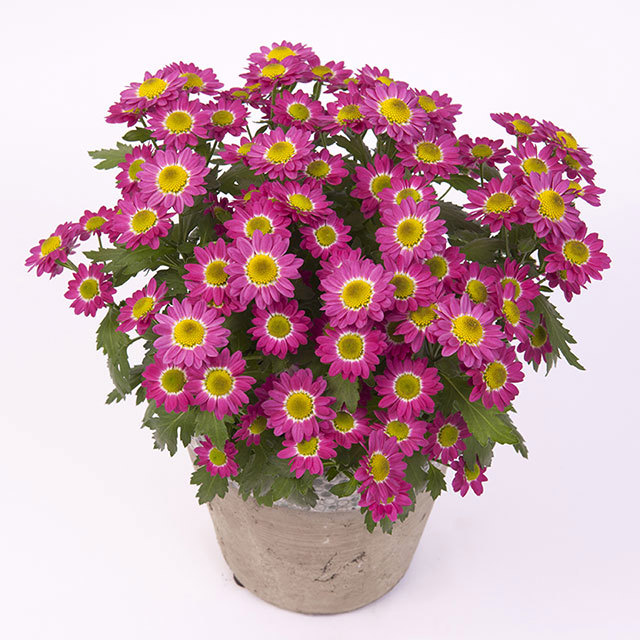
Chrysanthemum Pico Solo Fine Webbing
eco Fine Webbing

Chrysanthemum Pico Solo – Fine Webbing

Why does your Chrysanthemum Pico Solo have fine webbing? Diagnose the cause and fix it with our step-by-step guide.

search Possible Causes

error

Two-Spotted Spider Mites (Tetranychus urticae)

This is the most common cause of fine webbing on Chrysanthemums, especially in dry indoor environments. The mites feed on the underside of leaves, causing stippling and leaving silk webs as they migrate.

Very Common
lightbulb
How to confirm: Hold a white piece of paper under a leaf and tap it sharply to see if tiny crawling specks fall onto the paper.
build How to fix it
shopping_cart Recommended Products
1 Immediately spray the plant, especially the undersides of leaves, with an organic miticide to eliminate the spider mite population.
2 Increase local humidity around the plant and avoid dry air, as spider mites thrive in arid conditions.
3 Monitor the soil moisture levels to ensure the plant is not under drought stress, which can weaken its defenses.
warning

Tenuipalpus species (False Spider Mites)

While less aggressive than true spider mites, these tiny pests can create light silkiness around leaf edges or new growth on Chrysanthemums. They thrive in warm, dry conditions and cause subtle discoloration.

Common
lightbulb
How to confirm: Inspect the very tips of new growth and leaf axils for minute, slow-moving organisms.
build How to fix it
shopping_cart Recommended Products
1 Apply an organic insecticide spray to eliminate the mites and their eggs; Bonide Captain Jack's Neem Oil is highly effective for controlling mites and fungal issues.
2 Increase humidity and reduce heat to make the environment less hospitable for the mites, as they thrive in warm, dry conditions.
3 Use yellow sticky traps to monitor for and capture any remaining adult mites or other flying pests in the area.
warning

High Humidity with Lack of Airflow

While not a pest, extreme moisture trapped in dense Chrysanthemum foliage can occasionally create a fine, fungal mycelium that mimics webbing. This usually occurs when the plant is crowded and air cannot circulate through the leaves.

Common
lightbulb
How to confirm: Check if the 'webbing' is actually fuzzy/filamentous and if it disappears as the leaf surface dries.
build How to fix it
shopping_cart Recommended Products
1 Increase air circulation around the foliage by using a small fan or spacing plants further apart to prevent moisture from being trapped.
2 Prune away any dense or overly crowded foliage to allow better airflow through the center of the plant.
3 Monitor the soil moisture levels closely to ensure the plant is not being overwatered, which can exacerbate fungal growth.
local_hospital All symptoms eco All plants with fine webbing
favorite