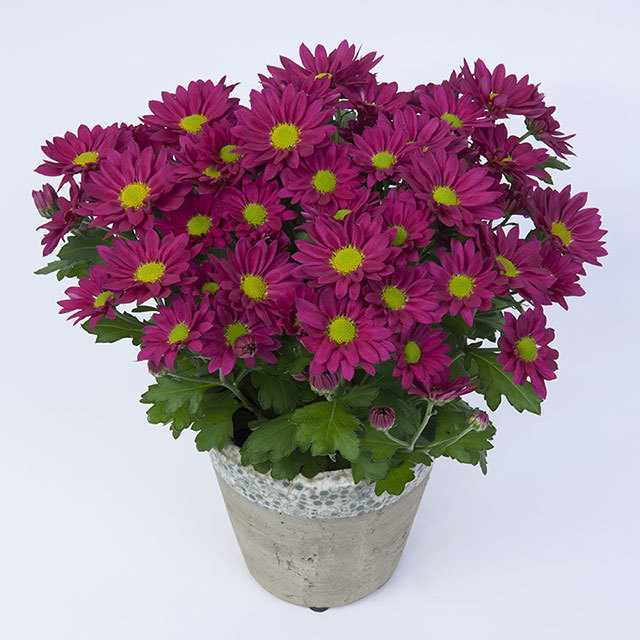
Chrysanthemum Ramires Fine Webbing
eco Fine Webbing

Chrysanthemum Ramires – Fine Webbing

Why does your Chrysanthemum Ramires have fine webbing? Diagnose the cause and fix it with our step-by-step guide.

search Possible Causes

error

Two-Spotted Spider Mite Infestation

Spider mites thrive in the warm, dry conditions often found around Chrysanthemums. The fine webbing is a classic sign of their silk webs used for protection and movement across the foliage.

Very Common
lightbulb
How to confirm: Hold a white piece of paper underneath a leaf and tap it to see if tiny crawling dots fall off.
build How to fix it
shopping_cart Recommended Products
1 Immediately spray the plant with an organic miticide to kill existing mites and their eggs.
2 Increase humidity around the plant and ensure the soil stays moist, as spider mites thrive in dry environments.
3 Prune and dispose of heavily infested or dead foliage to prevent the mites from spreading to other plants.
error

Tetranychus urticae (European Red Mite)

A specific species of mite common in ornamental Chrysanthemums that creates dense webbing, especially on the undersides of leaves, leading to chlorotic spotting.

Very Common
lightbulb
How to confirm: Inspect the undersides of leaves for tiny reddish or orange moving specks.
build How to fix it
shopping_cart Recommended Products
1 Apply an organic miticide spray to the plant, ensuring you thoroughly coat the undersides of all leaves to eliminate mites and their eggs.
2 Increase local humidity around the plant and wipe leaves with a damp cloth to physically disrupt the webbing and mite activity.
3 Monitor soil moisture levels closely, as spider mites thrive in dry conditions; use a moisture meter to ensure the plant remains adequately hydrated.
warning

High Humidity/Microclimate Fungal Growth

While less common for webbing, certain fungal mycelium can appear as fine, hair-like structures in extremely stagnant, high-humidity environments around dense Mum foliage.

Common
lightbulb
How to confirm: Check if the 'webbing' is actually attached to the leaf surface or if it moves when blown by air.
build How to fix it
shopping_cart Recommended Products
1 Increase airflow around the dense foliage by pruning away any heavily affected or stagnant areas to reduce the microclimate humidity.
2 Apply an organic fungicide to treat the fungal mycelium and prevent further spread of the growth.
3 Monitor the soil moisture levels closely to ensure the substrate is not staying overly saturated, which contributes to high humidity.
local_hospital All symptoms eco All plants with fine webbing
favorite