Chrysanthemum Summer Surprise Coconut Fine Webbing
eco Fine Webbing

Chrysanthemum Summer Surprise Coconut – Fine Webbing

Why does your Chrysanthemum Summer Surprise Coconut have fine webbing? Diagnose the cause and fix it with our step-by-step guide.

search Possible Causes

error

Two-Spotted Spider Mites (Tetranychus urticae)

The presence of fine webbing on Chrysanthemums is a classic sign of a spider mite infestation. These arachnids thrive in the warm, dry conditions often found in indoor or greenhouse settings, feeding on the plant's sap and causing stippling on leaves.

Very Common
lightbulb
How to confirm: Hold a white piece of paper under a leaf and tap it to see if tiny crawling dots fall off.
build How to fix it
shopping_cart Recommended Products
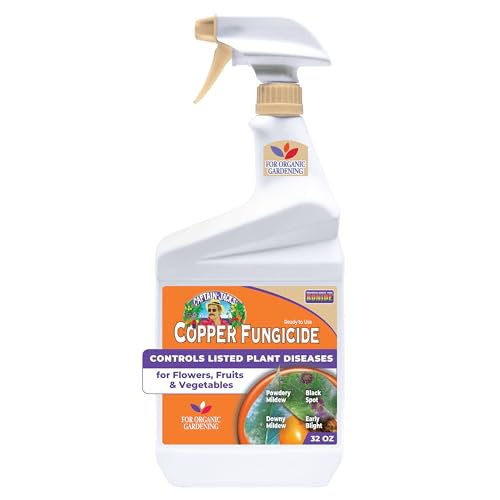
1 Immediately spray the plant with an organic miticide or insecticide to eliminate the spider mite population and kill eggs.
2 Increase humidity around the plant and wipe leaves with a damp cloth to physically remove webbing and disrupt the mites' dry environment.
3 Monitor soil moisture levels to ensure the plant is not under drought stress, which can exacerbate mite infestations.
warning

Tenuipalpus species (False Spider Mites)

While less common, some species of false spider mites produce fine silk webbing around leaf edges and buds. They target the tender new growth characteristic of the 'Summer Surprise' cultivar.

Common
lightbulb
How to confirm: Inspect the undersides of the youngest leaves for very small, slow-moving insects that are harder to see than standard spider mites.
build How to fix it
shopping_cart Recommended Products
1 Apply an organic insecticide/miticide spray to the plant, ensuring you coat the undersides of leaves and new growth to eliminate the mites and their eggs.
2 Gently wipe away the fine webbing from leaf edges and buds using a soft cloth or a damp paper towel to remove visible pest activity.
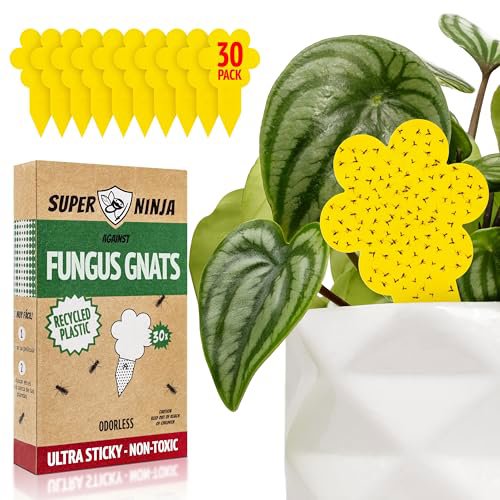
3 Monitor the plant closely using yellow sticky traps to capture any remaining adult mites and prevent further infestation.
info

High Humidity/Condensation with Micro-fungal growth

In extremely high humidity, fine fungal hyphae can sometimes resemble light webbing on the surface of Chrysanthemum foliage. This is usually accompanied by a musty smell and darkened leaf spots.

Rare
lightbulb
How to confirm: Check if the 'webbing' disappears when you wipe it with a damp cloth or if there is visible mold on the soil surface.
build How to fix it
shopping_cart Recommended Products
1 Improve air circulation around the foliage to reduce moisture buildup and prevent further fungal growth.
2 Apply an organic fungicide to treat the micro-fungal growth and protect healthy plant tissues.
3 Monitor soil moisture levels closely to ensure the plant is not being overwatered in this high-humidity environment.
local_hospital All symptoms eco All plants with fine webbing
favorite