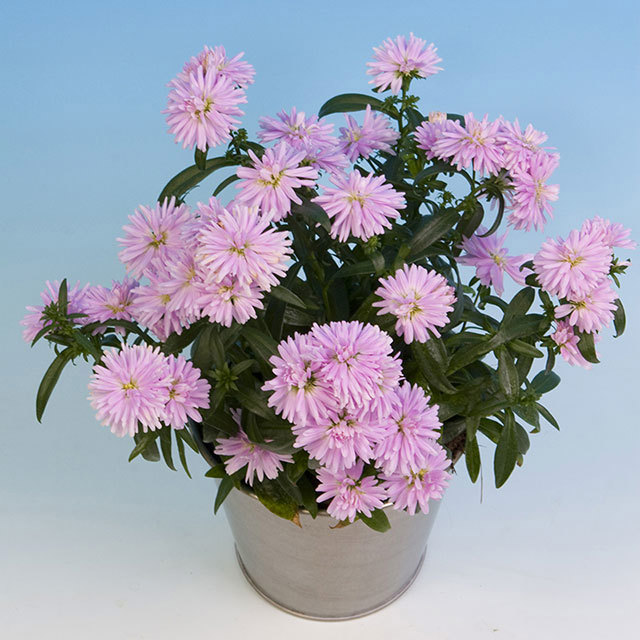
Chrysanthemum Sunrise Courtney Fine Webbing
eco Fine Webbing

Chrysanthemum Sunrise Courtney – Fine Webbing

Why does your Chrysanthemum Sunrise Courtney have fine webbing? Diagnose the cause and fix it with our step-by-step guide.

search Possible Causes

error

Two-Spotted Spider Mite Infestation

The fine webbing is a classic sign of spider mites, which thrive in the warm, dry conditions often found around Chrysanthemums. These arachnids pierce plant cells to feed on sap, leading to stippling and eventual webbing that can bridge leaves and stems.

Very Common
lightbulb
How to confirm: Hold a white piece of paper under a leaf and tap the leaf sharply to see if tiny crawling specks fall onto the paper.
build How to fix it
shopping_cart Recommended Products
1 Apply an organic miticide to eliminate the spider mite population and destroy eggs, larvae, and adults.
2 Increase humidity around the plant and wipe leaves with a damp cloth to physically remove webbing and disrupt the mites' dry environment.
3 Monitor soil moisture levels to ensure the plant is not under drought stress, which can exacerbate mite infestations.
error

Tetranychus urticae (European Red Spider Mite)

This specific species is highly common on Chrysanthemums and is notorious for creating dense silk webs during periods of low humidity. As the population grows, the webbing becomes more structural and covers larger areas of the plant foliage.

Very Common
lightbulb
How to confirm: Inspect the undersides of leaves for small, pale yellow dots (stippling) or tiny reddish-brown mites.
build How to fix it
shopping_cart Recommended Products
1 Apply an organic miticide/insecticide spray to the plant to eliminate the spider mite population and destroy existing webbing.
2 Increase local humidity around the plant to make the environment less hospitable for spider mite reproduction.
3 Prune and dispose of heavily infested or dead foliage to reduce the mite's habitat and prevent further spread.
warning

High Humidity/Condensation Webbing

While less common as a 'web' symptom, extreme moisture trapped in the dense foliage of a Chrysanthemum can occasionally lead to fungal hyphae or bacterial exudates that mimic fine, thread-like structures.

Common
lightbulb
How to confirm: Check if the webbing feels 'sticky' or 'slimy' rather than dry and silk-like.
build How to fix it
shopping_cart Recommended Products
1 Improve airflow around the dense foliage by pruning away any heavily congested or damp stems to reduce trapped moisture.
2 Monitor the soil moisture levels closely to ensure the plant is not being overwatered, as high moisture levels contribute to this issue.
3 Apply an organic fungicide to treat any fungal hyphae that may be developing due to the high humidity.
local_hospital All symptoms eco All plants with fine webbing
favorite



