Cissus antarctica Leggy Stems
eco Leggy Stems

Cissus antarctica – Leggy Stems

Why does your Cissus antarctica have leggy stems? Diagnose the cause and fix it with our step-by-step guide.

search Possible Causes

error

Insufficient Light Exposure

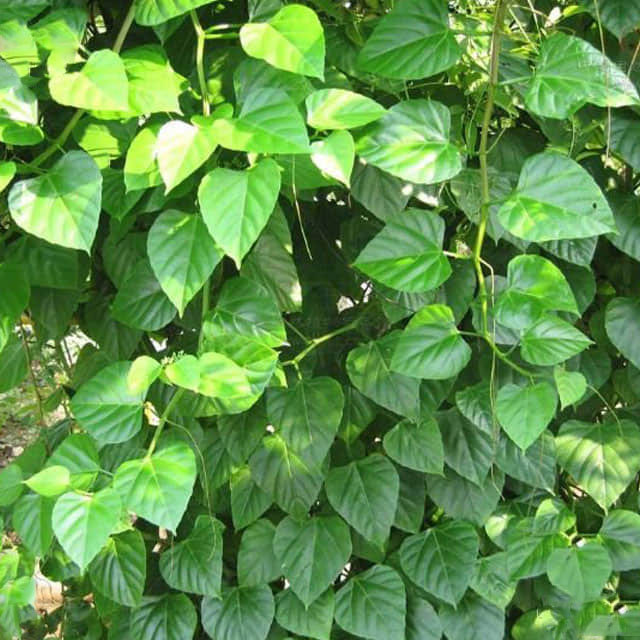
As a climbing vine, Cissus antarctica will undergo etiolation, where it rapidly elongates stems to reach for a light source. This results in weak, spindly growth with large gaps between leaves.

Very Common
lightbulb
How to confirm: Observe if the new growth is significantly paler and thinner than the older foliage near the base.
build How to fix it
shopping_cart Recommended Products
1 Move your Cissus antarctica to a location with much brighter, indirect light to stop the stems from stretching.
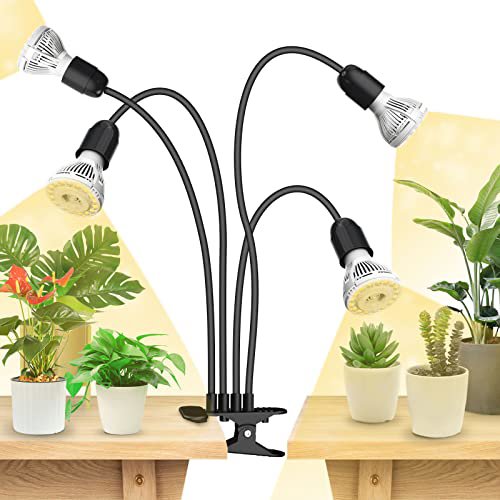
2 Supplement with a full-spectrum LED grow light if natural light levels cannot be increased.
3 Prune back the longest, weakest stems to encourage bushier growth and more compact leaf spacing.
warning

Excessive Nitrogen Fertilization

High levels of nitrogen can stimulate rapid vegetative elongation at the expense of structural strength, leading to soft, succulent, and 'leggy' stems that lack stability.

Common
lightbulb
How to confirm: Review your recent fertilizer use to see if a high-nitrogen formula was applied recently.
build How to fix it
shopping_cart Recommended Products
1 Stop all nitrogen-rich fertilization immediately to allow the plant to stabilize its growth and focus on structural development.
2 Flush the soil with plenty of fresh water to leach out excess nitrogen salts from the root zone.
3 Prune back the longest, weakest stems to encourage bushier growth and more compact internodes.
warning

Improper Watering Regimen

Inconsistent moisture levels, specifically periods of drought followed by heavy watering, can cause growth spurts that lead to weak cell walls and elongated internodes in this species.

Common
lightbulb
How to confirm: Check if the soil moisture fluctuates drastically between bone-dry and saturated states.
build How to fix it
shopping_cart Recommended Products
1 Stabilize the watering schedule by using a moisture meter to ensure the soil remains consistently moist but not waterlogged, avoiding the cycle of drought and flooding.
2 Prune the elongated, weak stems using sharp, clean shears to encourage bushier growth and more robust stem development.
3 Apply a balanced liquid fertilizer to strengthen cell walls and support more vigorous, stable growth.
local_hospital All symptoms eco All plants with leggy stems
favorite