Citrus aurantifolia Tiny Black Flies
eco Tiny Black Flies

Citrus aurantifolia – Tiny Black Flies

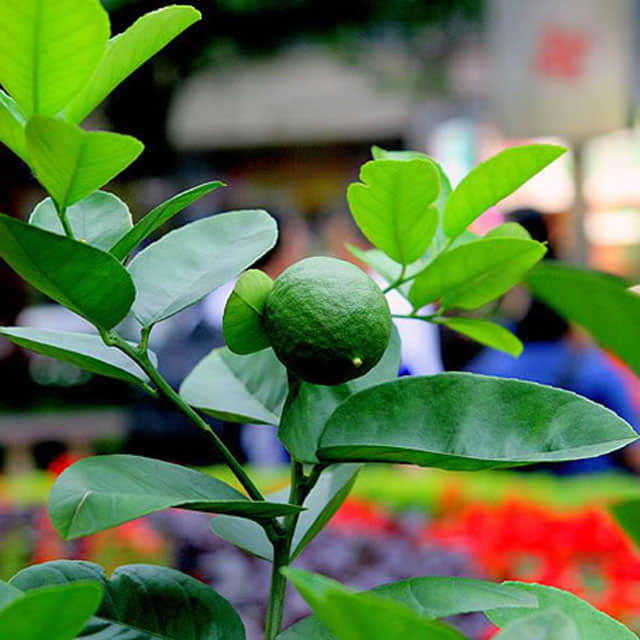
Why does your Citrus aurantifolia have tiny black flies? Diagnose the cause and fix it with our step-by-step guide.

search Possible Causes

error

Black Scale (Acanthoscelides spp. / Scale Insects)

While not flies themselves, scale insects are often mistaken for tiny black dots or flies; they secrete honeydew which attracts sooty mold and other small flying insects.

Very Common
lightbulb
How to confirm: Check the underside of leaves and stems for hard, stationary black bumps that do not move when prodded.
build How to fix it
shopping_cart Recommended Products
1 Apply an organic insecticide spray to eliminate the scale insects and the secondary flying pests attracted to their honeydew.
2 Thoroughly wipe the leaves and stems of the lime tree with a damp cloth to remove scale clusters and sticky honeydew residue.
3 Prune away heavily infested branches to prevent the spread of scale to other parts of the plant.
error

Fungus Gnats

These tiny black flies live in the organic matter of moist soil; their larvae feed on fine feeder roots of the lime tree, potentially causing stunted growth.

Very Common
lightbulb
How to confirm: Place a yellow sticky trap near the soil surface to see if small, dark flying insects are captured.
build How to fix it
shopping_cart Recommended Products
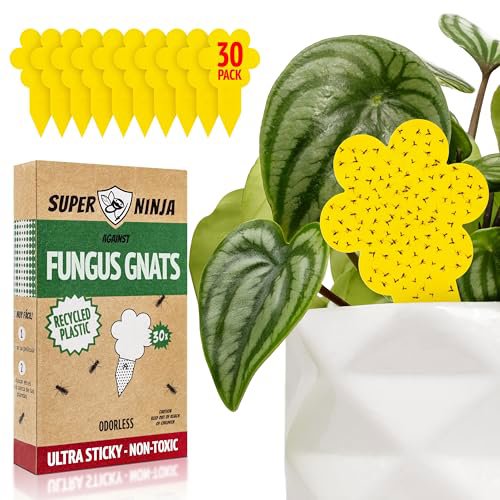
1 Deploy yellow sticky traps to capture adult flies and disrupt the breeding cycle.
2 Reduce watering frequency and allow the top inch of soil to dry out to kill larvae in the organic matter.
3 Apply a biological control or organic insecticide to target the larvae and prevent further root damage.
warning

Citrus Psyllids

Small, jumping insects that feed on citrus sap; they can leave behind honeydew and are often seen fluttering around new growth.

Common
lightbulb
How to confirm: Look for tiny, pale or dark insects performing rapid jumping movements on the underside of tender new leaves.
build How to fix it
shopping_cart Recommended Products
1 Apply an organic insecticide spray to the plant to eliminate adult psyllids and larvae on new growth.
2 Thoroughly inspect the undersides of leaves and new shoots for honeydew or scale-like eggs.
3 Prune and dispose of heavily infested new growth to prevent the spread of the psyllid population.
warning

Fruit Flies (Drosophila spp.)

If there is overripe or decaying lime fruit on the tree or ground, these flies will congregate around the area to lay eggs.

Common
lightbulb
How to confirm: Inspect nearby fallen citrus fruit for signs of fermentation or soft rot.
build How to fix it
shopping_cart Recommended Products
1 Remove and properly dispose of any overripe, decaying, or fallen lime fruit from the base of the tree and the surrounding soil to eliminate breeding sites.
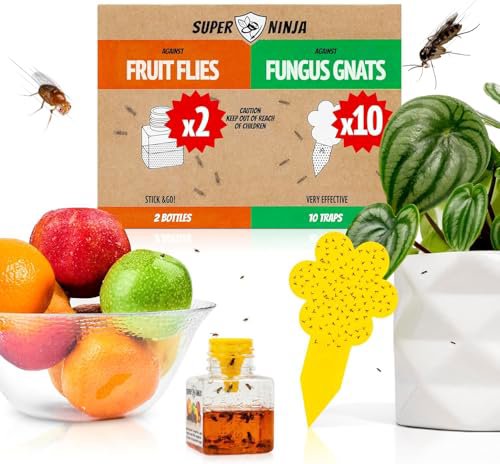
2 Deploy fruit fly traps near the plant to capture adult flies and reduce the population.
3 Ensure the soil surface is not overly moist and avoid leaving organic debris in the pot, as damp environments attract fruit flies.

Other Citrus aurantifolia problems

Your plant might also be experiencing one of these issues:

local_hospital All symptoms eco All plants with tiny black flies
favorite