Citrus aurantiifolia Tiny Black Flies
eco Tiny Black Flies

Citrus aurantiifolia – Tiny Black Flies

Why does your Citrus aurantiifolia have tiny black flies? Diagnose the cause and fix it with our step-by-step guide.

search Possible Causes

error

Black Scale (Acanthoscelides sp. / Pseudococcus sp.)

While not 'flies' themselves, black scale insects are small, dark, immobile pests that often attract ants and can be mistaken for tiny black moving dots. They secrete honeydew which leads to sooty mold growth on Key lime leaves.

Very Common
lightbulb
How to confirm: Inspect the underside of leaves and main stems for small, hard, black bumps that do not move when touched.
build How to fix it
shopping_cart Recommended Products
1 Apply an organic insecticide spray to the tree to eliminate the scale insects and their eggs.
2 Thoroughly clean the leaves to remove honeydew and sooty mold, which helps prevent secondary pest infestations.
3 Monitor the tree's health and ensure it receives proper nutrition to recover from the pest stress.
error

Fungus Gnats (Bradysia spp.)

These tiny black flies hover around the soil surface of the Key lime pot. Their larvae live in the moist topsoil and may feed on fine feeder roots, potentially causing yellowing leaves.

Very Common
lightbulb
How to confirm: Place a yellow sticky trap near the base of the tree to see if small flying insects are captured.
build How to fix it
shopping_cart Recommended Products
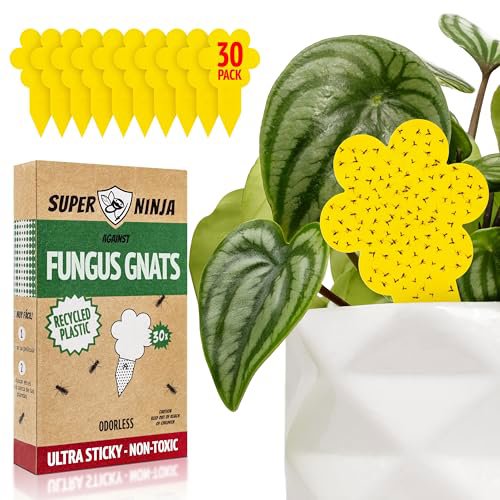
1 Deploy yellow sticky traps near the soil surface to capture adult fungus gnats and disrupt their breeding cycle.
2 Allow the top inch of soil to dry out completely between waterings to kill larvae living in the moist substrate.
3 Apply a microbial-based soil drench to target the larvae in the root zone and promote healthy root development.
warning

Citrus Fruit Fly (Anastrepha spp.)

Adult fruit flies are small, dark-colored insects that lay eggs in developing Key lime fruits. If you see tiny flies hovering specifically around the ripening fruit, they may be targeting the citrus.

Common
lightbulb
How to confirm: Check the fruit for soft, brownish spots or larvae tunneling inside the pulp.
build How to fix it
shopping_cart Recommended Products
1 Apply an organic insecticide spray to eliminate adult flies and protect developing fruit from egg-laying.
2 Remove and dispose of any overripe or damaged limes from the tree to destroy potential larvae habitats.
3 Use yellow sticky traps around the tree canopy to monitor and capture flying adults.
warning

Leafminer (Agromyzidae)

While the larvae are the primary issue, the presence of small flies can coincide with leafminer activity. These flies lay eggs in the leaf tissue, creating distinctive serpentine white trails.

Common
lightbulb
How to confirm: Look for silvery or white 'winding' tracks on the surface of the lime leaves.
build How to fix it
shopping_cart Recommended Products
1 Apply an organic insecticide spray to eliminate the flies and protect healthy leaf tissue from further egg-laying.
2 Prune and dispose of any heavily infested leaves showing serpentine trails to prevent larvae from maturing and spreading.
3 Monitor the tree regularly using yellow sticky traps to capture adult flies and track the effectiveness of your treatment.

Other Citrus aurantiifolia problems

Your plant might also be experiencing one of these issues:

local_hospital All symptoms eco All plants with tiny black flies
favorite