Citrus grandis Leggy Stems
eco Leggy Stems

Citrus grandis – Leggy Stems

Why does your Citrus grandis have leggy stems? Diagnose the cause and fix it with our step-by-step guide.

search Possible Causes

error

Insufficient Light Intensity

Pomelo trees are heliophytes that require high levels of direct sunlight to maintain structural integrity. When light is low, the plant undergoes etiolation, rapidly elongating internodes to search for a light source, resulting in weak, spindly stems.

Very Common
lightbulb
How to confirm: Observe if the new growth is pale and significantly longer than the previous season's growth patterns.
build How to fix it
shopping_cart Recommended Products
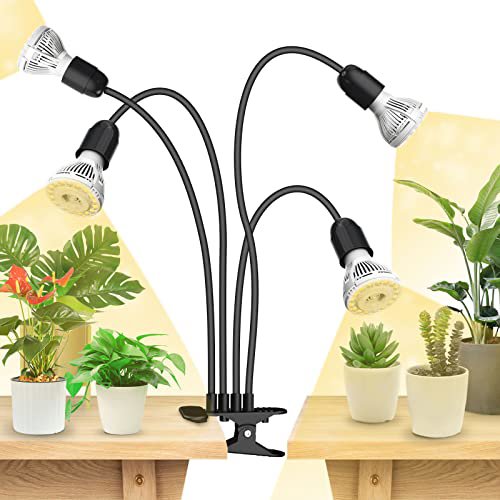
1 Increase light exposure by moving the plant to a location with direct sunlight or by installing a high-intensity grow light to provide the necessary spectrum for structural strength.
2 Prune away the weakest, most spindly stems using sharp, clean shears to prevent the plant from wasting energy on non-productive growth.
3 Apply a balanced liquid fertilizer to support new, sturdier growth once light levels have been corrected.
error

Excessive Nitrogen Fertilization

High concentrations of nitrogen in the soil promote rapid vegetative growth at the expense of structural lignin development. In Citrus grandis, this often manifests as lush, dark green foliage accompanied by weak, 'floppy' stems that cannot support their own weight.

Very Common
lightbulb
How to confirm: Check your recent fertilizer application for high N-P-K ratios and look for unusually rapid, soft leaf expansion.
build How to fix it
shopping_cart Recommended Products
1 Immediately cease all nitrogen-rich fertilization to allow the plant to focus on structural development and lignin production.
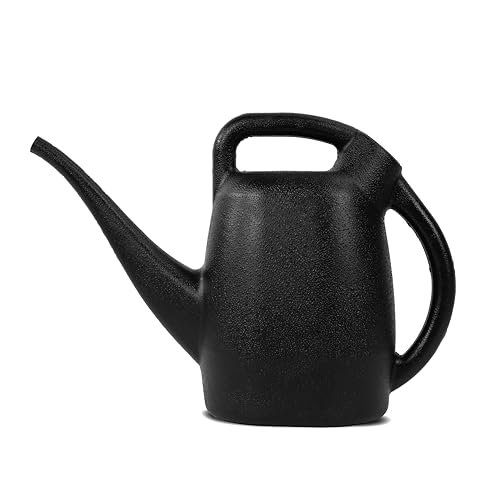
2 Flush the soil with plenty of fresh water to leach out excess nitrogen salts from the root zone.
3 Provide supplemental calcium and magnesium to help strengthen cell walls and improve structural integrity.
warning

Improper Watering Regimes

Fluctuating moisture levels, particularly periods of excessive water followed by drought, can disrupt the hormonal balance (auxins) responsible for stem thickness. This stress causes the plant to prioritize quick vertical growth over woody development.

Common
lightbulb
How to confirm: Check if the soil texture is becoming compacted or if there are significant dry-down periods between heavy waterings.
build How to fix it
shopping_cart Recommended Products
1 Stabilize the watering schedule to ensure consistent moisture levels, avoiding the cycle of waterlogging and drought.
2 Monitor soil moisture levels deeply before each watering to ensure the root zone remains adequately hydrated without becoming saturated.
3 Apply a balanced fertilizer to support structural development and help restore the plant's hormonal balance.
warning

Root System Limitation

If the pomelo is in a container that is root-bound, the limited nutrient and oxygen availability can trigger an elongated growth response as the plant attempts to find more resources. This results in stretched stems with fewer lateral branches.

Common
lightbulb
How to confirm: Gently lift the edge of the pot or check drainage holes to see if roots are circling the perimeter of the container.
build How to fix it
shopping_cart Recommended Products
1 Check if the plant is root-bound by inspecting the roots; if they are circling the pot, transplant the pomelo into a larger container to provide more space for expansion.
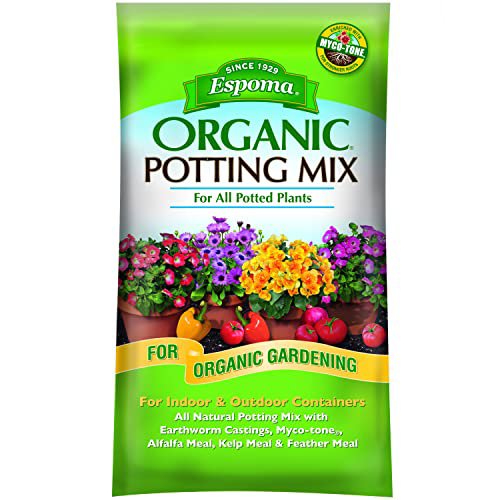
2 Repot the plant using a fresh, high-quality potting medium to ensure adequate nutrient and oxygen availability for the roots.
3 Apply a balanced liquid fertilizer to boost nutrient uptake and support more robust, lateral growth.

Other Citrus grandis problems

Your plant might also be experiencing one of these issues:

local_hospital All symptoms eco All plants with leggy stems
favorite