Citrus latifolia Leggy Stems
eco Leggy Stems

Citrus latifolia – Leggy Stems

Why does your Citrus latifolia have leggy stems? Diagnose the cause and fix it with our step-by-step guide.

search Possible Causes

error

Insufficient Light Exposure

Citrus latifolia requires full sun (at least 6-8 hours) to maintain structural integrity. When light is low, the tree undergoes etiolation, stretching stems rapidly toward the nearest light source to increase surface area for photosynthesis.

Very Common
lightbulb
How to confirm: Observe if the internodes (space between leaves) are significantly longer than those on healthy, established branches.
build How to fix it
shopping_cart Recommended Products
1 Relocate your lime tree to a position that receives at least 6-8 hours of direct sunlight daily to stop stem stretching.
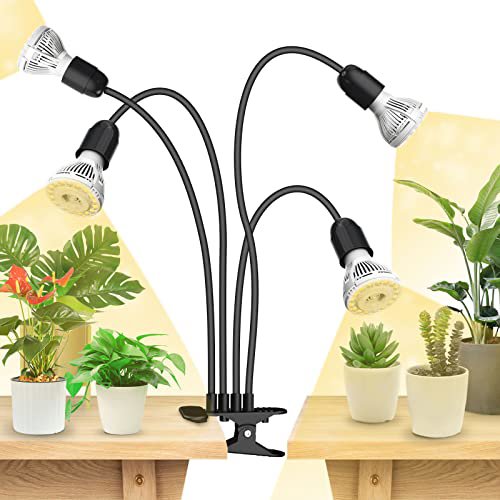
2 Supplement natural light with a high-intensity grow light to provide the necessary spectrum for structural development.
3 Prune away the weakest, most elongated stems using sharp shears to encourage bushier, more compact growth.
error

Excessive Nitrogen Fertilization

High levels of nitrogen-rich fertilizer promote rapid vegetative growth. In Tahiti Limes, this often results in soft, succulent, and elongated new shoots that lack the structural lignin needed to support their own weight.

Very Common
lightbulb
How to confirm: Check if the leggy growth is accompanied by an unusually deep dark green color in the foliage.
build How to fix it
shopping_cart Recommended Products
1 Flush the soil with plenty of fresh water to leach out excess nitrogen salts from the root zone.
2 Switch to a balanced or lower-nitrogen fertilizer to encourage structural strength and lignin development.
3 Increase light exposure using a full-spectrum grow light to help the plant strengthen its stems through photosynthesis.
warning

Improper Watering Regimes

Inconsistent moisture, specifically periods of heavy watering followed by drought, can trigger rapid growth spurts. This uneven physiological stress disrupts the tree's ability to develop dense, woody stem tissue.

Common
lightbulb
How to confirm: Monitor the soil moisture depth and check if growth spurts coincide with recent heavy irrigation cycles.
build How to fix it
shopping_cart Recommended Products
1 Stabilize the watering schedule by using a moisture meter to ensure the soil remains consistently moist but not waterlogged, avoiding the cycle of drought and saturation.
2 Apply a balanced fertilizer to support the development of stronger, woodier stem tissue and more robust growth.
3 Prune away the weakest, most elongated stems using sharp, clean shears to encourage denser, more compact growth.
warning

Aphid Infestation

Aphids feeding on the tender terminal buds of a Tahiti Lime can disrupt hormonal balance. This can cause irregular, distorted, or elongated growth patterns as the plant attempts to recover from sap loss.

Common
lightbulb
How to confirm: Inspect the undersides of new, soft leaves for small, stationary insects or sticky honeydew residue.
build How to fix it
shopping_cart Recommended Products
1 Apply an organic insecticide to eliminate the aphid population and prevent further feeding on terminal buds.
2 Prune away any heavily distorted or dead stems to encourage new, healthy growth from the remaining buds.
3 Provide supplemental full-spectrum lighting to strengthen the plant and reduce the elongated, leggy growth habit.

Other Citrus latifolia problems

Your plant might also be experiencing one of these issues:

local_hospital All symptoms eco All plants with leggy stems
favorite