Citrus reticulata Leggy Stems
eco Leggy Stems

Citrus reticulata – Leggy Stems

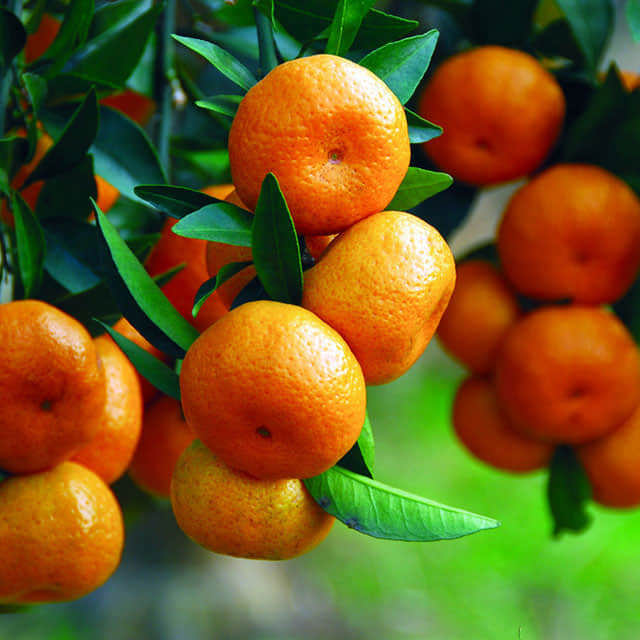
Why does your Citrus reticulata have leggy stems? Diagnose the cause and fix it with our step-by-step guide.

search Possible Causes

error

Insufficient Light Exposure

Mandarin oranges require high light intensity to maintain structural integrity; low light triggers etiolation, where the plant rapidly extends stems toward a light source at the expense of thickness.

Very Common
lightbulb
How to confirm: Observe if the internodes (distance between leaves) are significantly longer than those on healthy or previously grown parts of the tree.
build How to fix it
shopping_cart Recommended Products
1 Relocate your Mandarin orange to a spot with much higher light intensity, such as a south-facing window or under a dedicated grow light.
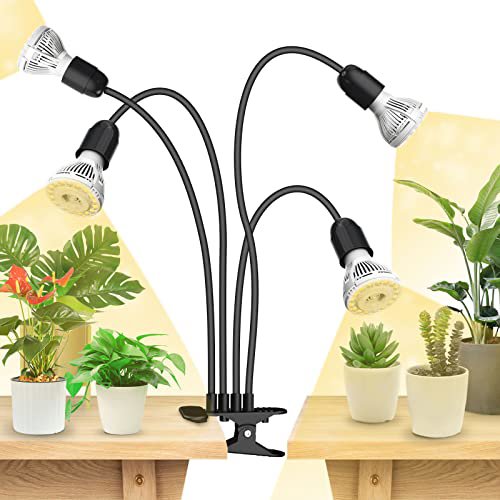
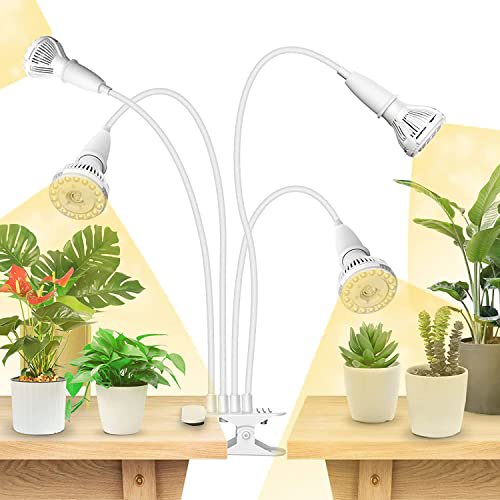
2 Supplement with a full-spectrum LED grow light to provide the necessary intensity for structural development and to prevent further etiolation.
3 Prune away the weakest, most elongated stems using sharp, clean shears to encourage the plant to redirect energy into new, sturdier growth.
error

Excessive Nitrogen Fertilization

An imbalance in nutrients, specifically high levels of nitrogen without sufficient potassium or phosphorus, promotes rapid vegetative growth that results in weak, spindly, and 'leggy' tissue.

Very Common
lightbulb
How to confirm: Check your recent fertilizer application for high NPK ratios and look for dark green but very soft, succulent new growth.
build How to fix it
shopping_cart Recommended Products
1 Flush the soil with plenty of fresh, water to leach out excess nitrogen salts from the root zone.
2 Transition to a balanced or phosphorus-rich fertilizer to support stronger stem development and fruit production.
3 Prune back the longest, weakest stems to encourage denser, more robust growth and improve light penetration.
warning

Improper Watering Regimes

Fluctuating moisture levels can cause rapid growth spurts followed by stress, leading to uneven stem development and lack of woodiness in citrus branches.

Common
lightbulb
How to confirm: Monitor the soil moisture consistently and ensure the plant follows a rhythmic watering schedule rather than erratic saturation and drought cycles.
build How to fix it
shopping_cart Recommended Products
1 Stabilize the watering schedule by using a moisture meter to ensure the soil stays consistently moist but not waterlogged, preventing the stress cycles causing leggy growth.
2 Prune the elongated, weak stems using sharp, clean shears to encourage bushier growth and more robust branch development.
3 Apply a balanced fertilizer to provide the necessary nutrients for strengthening the plant's structure and promoting woodiness in new growth.
warning

High Humidity with Low Air Circulation

In environments with high humidity and stagnant air, citrus trees may undergo rapid cell expansion without sufficient structural lignification, leading to weak stems.

Common
lightbulb
How to confirm: Place a small fan near the plant to improve airflow and see if new growth appears sturdier over time.
build How to fix it
shopping_cart Recommended Products
1 Increase air circulation around the plant by using a small fan to prevent stagnant, humid air from settling around the foliage.
2 Provide supplemental lighting to strengthen the stems and prevent further stretching, ensuring the light spectrum supports structural growth.
3 Prune any excessively weak or elongated stems using sharp, clean shears to encourage denser, more robust growth.

Other Citrus reticulata problems

Your plant might also be experiencing one of these issues:

local_hospital All symptoms eco All plants with leggy stems
favorite