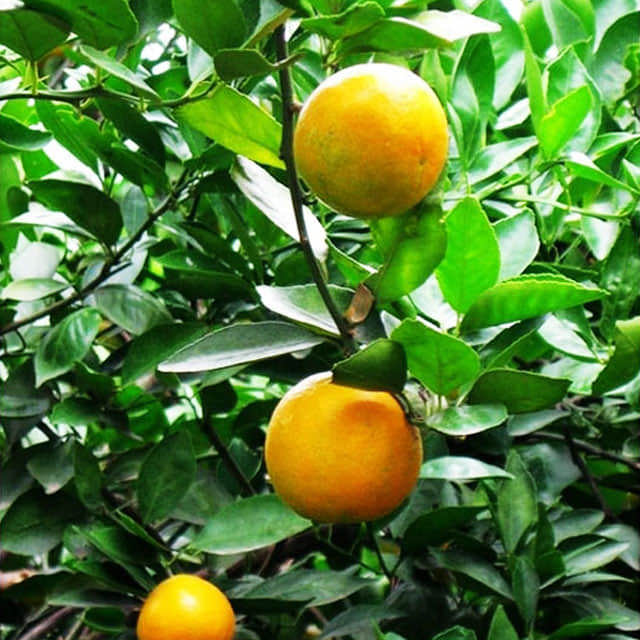
Citrus Drooping Leaves
eco Drooping Leaves

Citrus – Drooping Leaves

Why does your Citrus have drooping leaves? Diagnose the cause and fix it with our step-by-step guide.

search Possible Causes

error

Water Stress (Underwatering or Overwatering)

Citrus trees require consistent moisture but are highly susceptible to root rot if the soil stays saturated. Both extreme drought and waterlogged roots cause a loss of turgor pressure, leading to visible drooping.

Very Common
lightbulb
How to confirm: Insert your finger 2 inches into the soil; if it is bone dry, the tree needs water, but if it is muddy, you are overwatering.
build How to fix it
shopping_cart Recommended Products
1 Check the soil moisture level at the root zone using a moisture meter to determine if the soil is bone dry or waterlogged.
2 If the soil is dry, thoroughly water the tree with a watering can, ensuring the water reaches the entire root ball.
3 If the soil is saturated, improve drainage by adding horticultural perlite to the potting mix to prevent root rot.
error

Root Rot (Phytophthora)

Excessive moisture or poor drainage can lead to Phytophthora infection, a common pathogen in citrus. This destroys the root system's ability to transport water to the canopy, causing leaves to wilt even in moist soil.

Very Common
lightbulb
How to confirm: Gently lift the edge of the soil near the trunk to see if the roots are dark, slimy, or have a foul odor.
build How to fix it
shopping_cart Recommended Products
1 Immediately inspect the roots for mushy, dark brown decay and prune away any dead or rotting sections using sterilized tools.
2 Repot the citrus tree into a container with superior drainage and use a well-aerated, fresh medium like a mix containing perlite or clay pebbles to prevent future waterlogging.
3 Adjust your watering schedule by using a moisture meter to ensure the soil is allowed to dry out significantly before adding more water.
warning

Nutrient Deficiency (Nitrogen or Magnesium)

A lack of essential nutrients like Nitrogen can cause leaves to lose vigor and droop. Magnesium deficiency often presents with interveinal chlorosis alongside wilting in older citrus leaves.

Common
lightbulb
How to confirm: Observe if the drooping leaves are also turning pale yellow while the veins remain green.
build How to fix it
shopping_cart Recommended Products
1 Apply a specialized fertilizer to address the nitrogen or magnesium deficiency and restore leaf vigor.
2 Supplement with a magnesium-rich additive to prevent interveinal chlorosis and strengthen cell walls.
3 Monitor soil moisture levels using a moisture meter to ensure the deficiency isn't being masked by overwatering.
warning

Temperature Extremes (Heat Stress)

Citrus trees are sensitive to sudden temperature shifts. High heat causes rapid transpiration that exceeds the root's ability to replace water, resulting in temporary midday drooping.

Common
lightbulb
How to confirm: Check if the drooping occurs primarily during the hottest part of the day and recovers at night.
build How to fix it
shopping_cart Recommended Products
1 Move the citrus tree to a shaded or more stable temperature environment to prevent further transpiration loss during peak heat.
2 Apply a consistent watering schedule to ensure the soil remains moist but not waterlogged, helping the roots keep up with heat-induced water loss.
3 Apply a mulch layer around the base of the tree to help regulate soil temperature and retain moisture.

Other Citrus problems

Your plant might also be experiencing one of these issues:

local_hospital All symptoms eco All plants with drooping leaves
favorite