Cladrastis Yellow Leaves
eco Yellow Leaves

Cladrastis – Yellow Leaves

Why does your Cladrastis have yellow leaves? Diagnose the cause and fix it with our step-by-step guide.

search Possible Causes

error

Nitrogen Deficiency

Nitrogen is a mobile nutrient; when deficient, the tree pulls it from older leaves to support new growth, causing uniform yellowing of the entire leaf blade starting with the oldest foliage. This is common in Cladrastis planted in low-organic matter or depleted soils.

Very Common
lightbulb
How to confirm: Observe if the yellowing begins on the oldest leaves at the base of the canopy first.
build How to fix it
shopping_cart Recommended Products
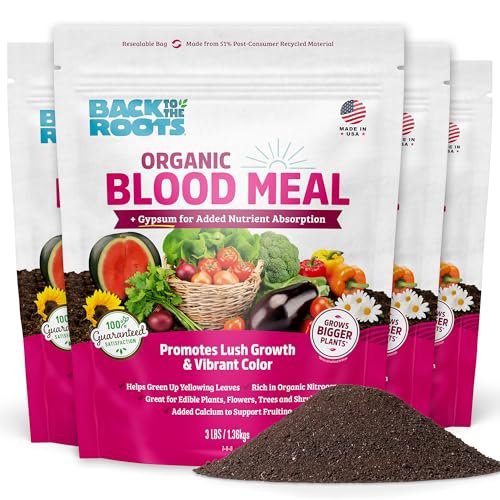
1 Apply a nitrogen-rich organic fertilizer to the soil around the base of the tree to replenish depleted nutrients.
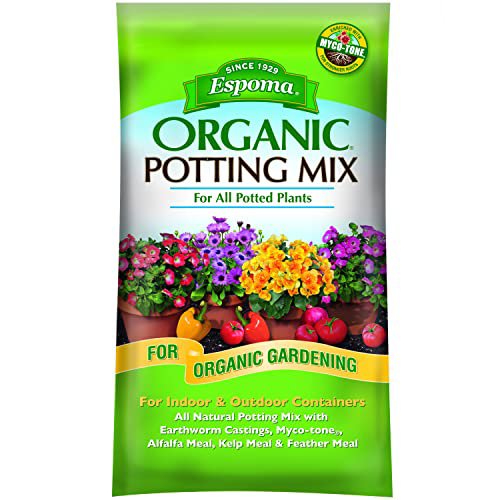
2 Incorporate organic matter, such as worm castings or compost, into the soil to improve long-term nutrient availability and soil structure.
3 Monitor soil moisture levels to ensure the tree can effectively uptake the newly applied nutrients.
error

Iron Chlorosis

High soil pH (alkaline conditions) prevents Cladrastis from absorbing iron, resulting in interveinal chlorosis where leaf veins remain green while the rest of the leaf turns yellow. This is a frequent issue for American Yellowwoods in limestone-heavy soils.

Very Common
lightbulb
How to confirm: Check if the leaves show bright yellow patches specifically between distinct green veins.
build How to fix it
shopping_cart Recommended Products
1 Apply an iron supplement or chelated iron to the soil to bypass the pH-related absorption block and provide immediate iron availability to the roots.
2 Amend the soil with organic matter or acidifying amendments like elemental sulfur to gradually lower the soil pH and make existing nutrients more accessible.
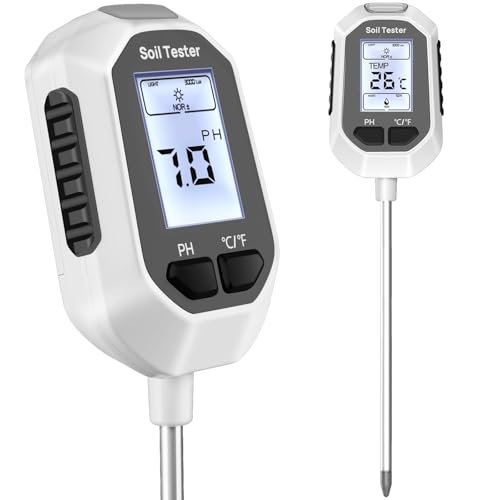
3 Monitor soil acidity levels regularly using a pH tester to ensure the environment remains within the optimal range for iron uptake.
error

Water Stress (Drought or Overwatering)

Cladrastis is sensitive to extreme soil moisture fluctuations; drought causes leaf yellowing and premature drop, while waterlogged roots lead to root hypoxia and chlorosis. Improper drainage in heavy clay soils often triggers this symptom.

Very Common
lightbulb
How to confirm: Test the soil moisture at a depth of 3-4 inches to see if it is bone dry or saturated.
build How to fix it
shopping_cart Recommended Products
1 Check the soil moisture level at the root zone using a moisture meter to determine if the plant is suffering from drought or overwatering.
2 If the soil is waterlogged, repot the plant in a well-draining medium by mixing in horticultural perlite to improve aeration and prevent root rot.
3 Ensure the plant is in a container or location with excellent drainage to prevent water from pooling around the roots.
warning

Root Rot (Phytophthora)

Excessive moisture in poorly drained sites can lead to fungal pathogens attacking the root system, preventing nutrient transport and causing systemic yellowing. This often manifests as wilting alongside the discoloration.

Common
lightbulb
How to confirm: Gently lift the edge of the soil near the trunk to check for dark, foul-smelling, or mushy roots.
build How to fix it
shopping_cart Recommended Products
1 Improve soil drainage immediately by aerating the root zone or adding organic amendments like perlite to prevent further water accumulation.
2 Reduce watering frequency and ensure the planting site or container has excellent drainage to eliminate the excessive moisture causing the rot.
3 Apply a fungicide treatment if fungal pathogens are confirmed to protect the remaining healthy root tissue.
local_hospital All symptoms eco All plants with yellow leaves
favorite