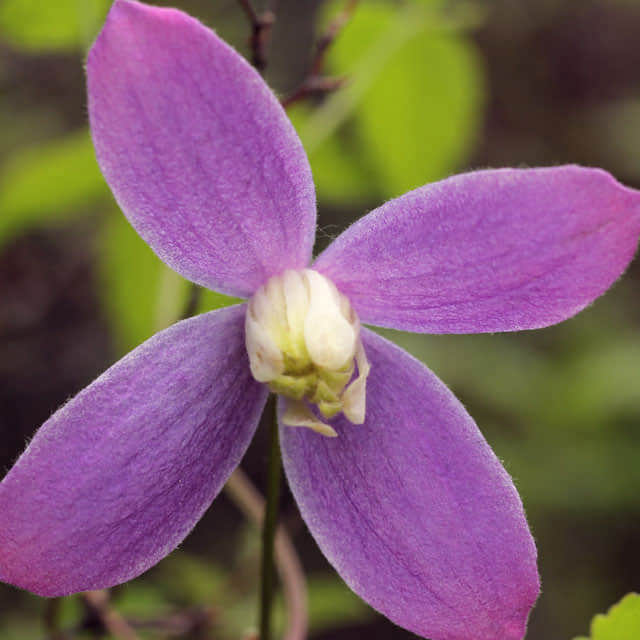
Clematis alpina Drooping Leaves
eco Drooping Leaves

Clematis alpina – Drooping Leaves

Why does your Clematis alpina have drooping leaves? Diagnose the cause and fix it with our step-by-step guide.

search Possible Causes

error

Underwatering or Drought Stress

As a species that prefers cool, moist environments with well-drained soil, Clematis alpina is highly sensitive to dry spells. When moisture levels drop, the plant loses turgor pressure in its delicate foliage, causing visible wilting.

Very Common
lightbulb
How to confirm: Stick your finger 2 inches into the soil; if it feels bone dry, the plant needs immediate deep watering.
build How to fix it
shopping_cart Recommended Products
1 Immediately check the soil moisture level at the root zone to confirm the depth of the drought stress.
2 Deeply water the plant, ensuring the soil is thoroughly saturated, and consider using a mulch or moisture-retaining substrate to prevent future evaporation.
3 Apply a liquid seaweed fertilizer to help the plant recover from environmental stress and boost nutrient uptake.
error

Root Rot (Phytophthora or Pythium)

While Alpine Clematis likes moisture, heavy or poorly draining soil can suffocate the roots. This leads to fungal decay of the root system, which prevents water uptake and causes the leaves to droop even if the soil is wet.

Very Common
lightbulb
How to confirm: Gently lift a small section of soil near the crown to see if the roots are dark, slimy, or emitting an odor.
build How to fix it
shopping_cart Recommended Products
1 Immediately reduce watering frequency and ensure the plant is in a well-draining environment to stop further root decay.
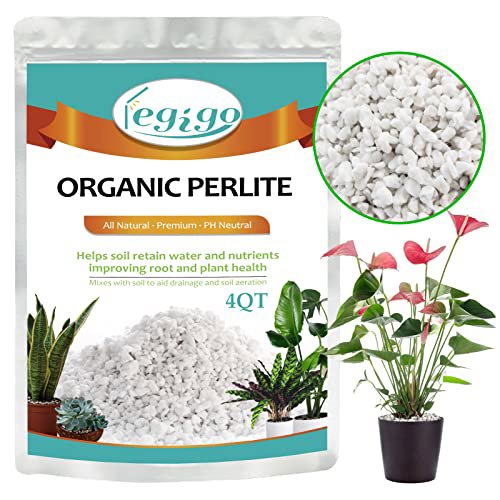
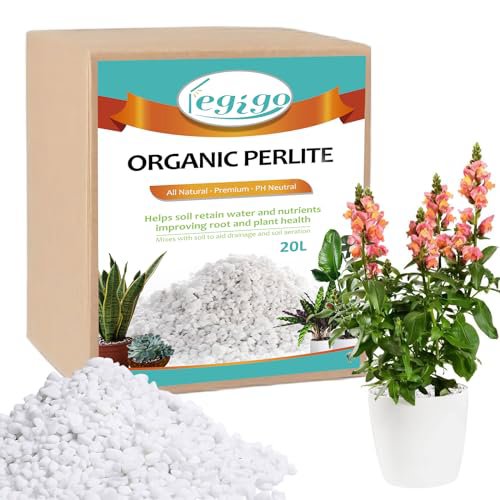
2 Repot the Clematis in a fresh, highly aerated medium by mixing in horticultural perlite to improve drainage and oxygen flow to the roots.
3 Trim away any mushy, blackened, or foul-smelling roots using sterilized shears to prevent the spread of the pathogen.
warning

Extreme Heat/Temperature Stress

Clematis alpina is adapted to alpine conditions and can struggle with sudden heatwaves or excessive afternoon sun. High temperatures cause rapid transpiration that exceeds the plant's ability to pull water from the roots.

Common
lightbulb
How to confirm: Observe if the drooping occurs specifically during the hottest part of the day and recovers in the evening.
build How to fix it
shopping_cart Recommended Products
1 Move the plant to a cooler, shaded location or provide temporary afternoon shade to reduce transpiration and lower the leaf temperature.
2 Check the soil moisture levels to ensure the roots are not desiccated; use a moisture meter to confirm the soil is still damp but not waterlogged.
3 Apply a mulch layer around the base of the plant to help regulate soil temperature and retain moisture during heatwaves.
warning

Nutrient Deficiency (Nitrogen)

A lack of nitrogen can weaken the structural integrity of the stems and leaves, making them appear limp and less vigorous. This is common if the plant is growing in exhausted or overly acidic soil without replenishment.

Common
lightbulb
How to confirm: Check for a general yellowing (chlorosis) of older leaves alongside the drooping habit.
build How to fix it
shopping_cart Recommended Products
1 Apply a nitrogen-rich organic fertilizer to replenish the soil and boost vegetative vigor.
2 Check the soil pH and ensure it is not overly acidic, as extreme pH levels can block nitrogen uptake.
3 Amend the existing soil with organic matter like worm castings to improve long-term nutrient availability.
local_hospital All symptoms eco All plants with drooping leaves
favorite