Clematis armandii Drooping Leaves
eco Drooping Leaves

Clematis armandii – Drooping Leaves

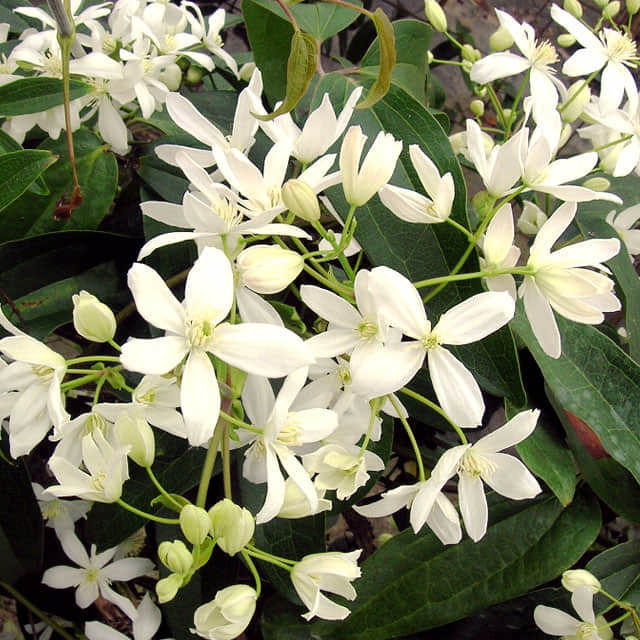
Why does your Clematis armandii have drooping leaves? Diagnose the cause and fix it with our step-by-step guide.

search Possible Causes

error

Underwatering / Drought Stress

As an evergreen climber, Clematis armandii has large, leathery leaves that transpire significant moisture. If the soil dries out too deeply, the plant loses turgor pressure, causing the foliage to wilt or droop.

Very Common
lightbulb
How to confirm: Check the depth of the soil moisture; if the top two inches are bone dry and the stems feel limp, it needs immediate deep watering.
build How to fix it
shopping_cart Recommended Products
1 Immediately check the soil moisture level at the root zone to confirm the depth of the drought.
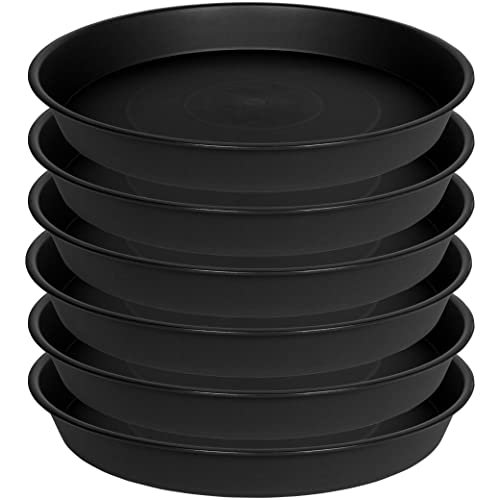
2 Deeply water the plant, ensuring the moisture reaches the entire root ball, and use a saucer to prevent water from escaping the pot.
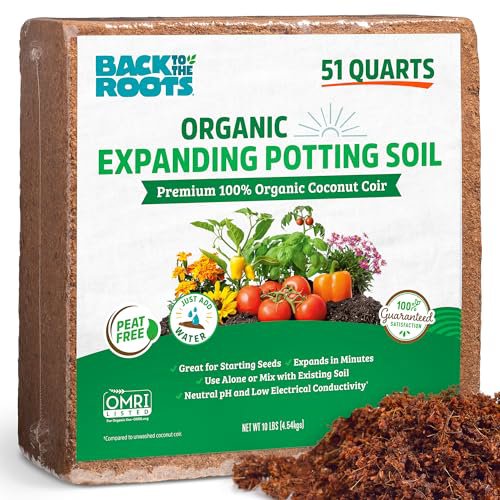
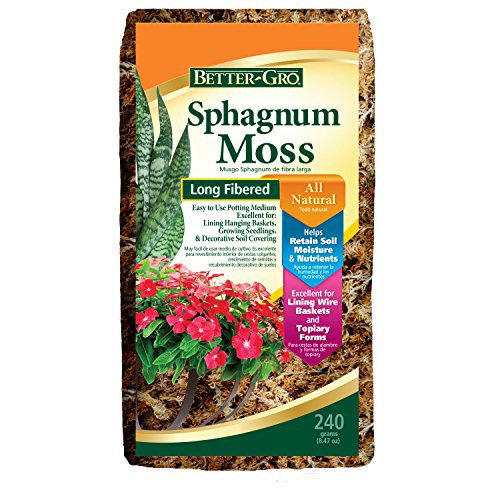
3 Apply a layer of organic mulch or coconut coir around the base to help retain soil moisture and reduce evaporation.
error

Root Rot (Phytophthora or Pythium)

Excessive moisture in heavy, poorly draining soil can lead to fungal pathogens attacking the root system. This prevents the plant from transporting water upward, resulting in symptoms that look identical to drought stress.

Very Common
lightbulb
How to confirm: Gently lift the edge of the mulch to see if the soil is waterlogged and check if the base of the stems feels soft or smells musty.
build How to fix it
shopping_cart Recommended Products
1 Immediately reduce watering frequency and ensure the plant is in a well-draining environment to stop further fungal spread.
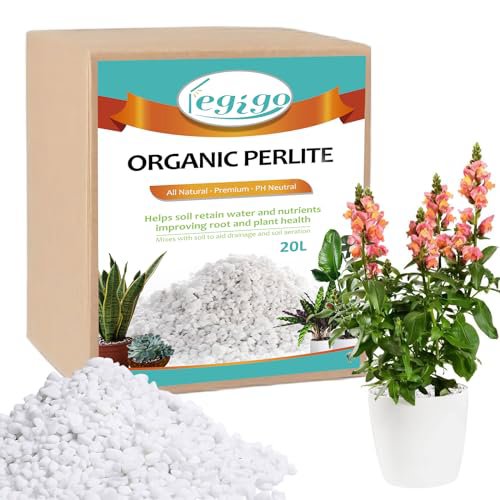
2 Repot the Clematis in a highly aerated, well-draining medium by mixing in horticultural perlite to prevent future waterlogging.
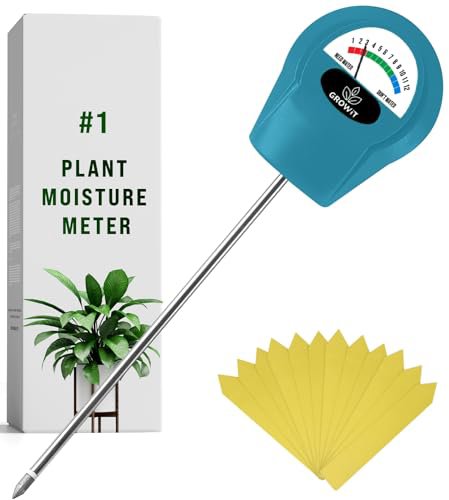
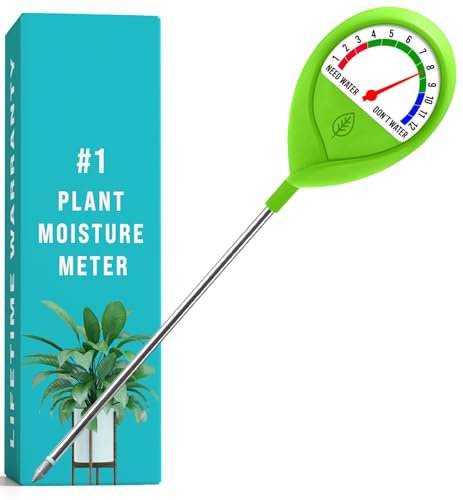
3 Monitor the soil moisture levels closely using an analog meter to ensure the root zone stays moist but not saturated.
warning

Temperature Extremes (Heat Stress)

While Clematis armandii is hardy, sudden spikes in temperature can cause the large leaves to wilt temporarily as a defense mechanism to reduce transpiration.

Common
lightbulb
How to confirm: Observe if the drooping occurs primarily during the hottest part of the day and recovers after sunset.
build How to fix it
shopping_cart Recommended Products
1 Provide immediate relief by moving the plant to a shaded area or applying a fine mist to the foliage to lower leaf temperature.
2 Monitor soil hydration levels closely to ensure the plant isn't drying out during the heat spike; use a moisture meter to check deep root zones.
3 Apply a mulch layer around the base of the plant to insulate the root system from extreme temperature fluctuations.
warning

Nutrient Deficiency (Nitrogen)

A lack of available nitrogen can weaken the structural integrity of new growth, making the leaves appear pale and unable to hold their position on the vine.

Common
lightbulb
How to confirm: Look for a general yellowing (chlorosis) of the older leaves in addition to the drooping posture.
build How to fix it
shopping_cart Recommended Products
1 Apply a nitrogen-rich organic fertilizer to boost foliage strength and greening.
2 Monitor soil moisture levels with a moisture meter to ensure the nitrogen is being effectively absorbed by the roots.
3 Ensure the plant is in a well-draining medium to prevent nitrogen leaching from excess water.
local_hospital All symptoms eco All plants with drooping leaves
favorite