Clematis Patens Drooping Leaves
eco Drooping Leaves

Clematis Patens – Drooping Leaves

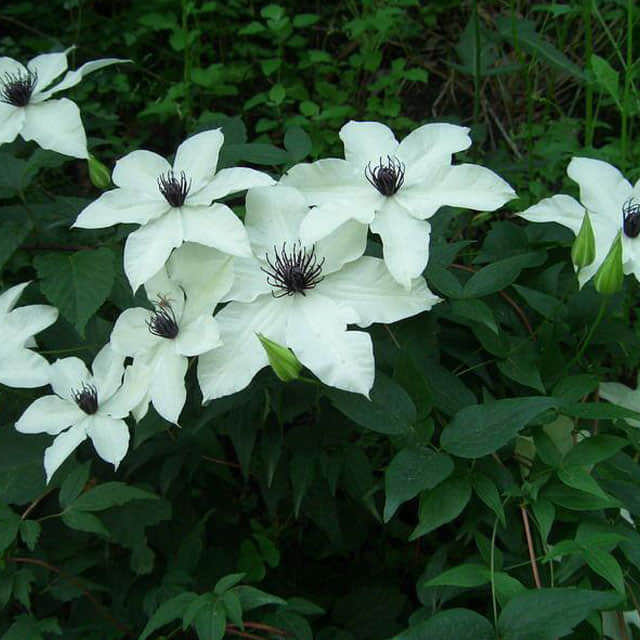
Why does your Clematis Patens have drooping leaves? Diagnose the cause and fix it with our step-by-step guide.

search Possible Causes

error

Water Stress (Underwatering or Drought)

Clematis patens prefers consistent moisture and can suffer from rapid transpiration during hot periods, causing the cells in the leaves to lose turgor pressure.

Very Common
lightbulb
How to confirm: Stick your finger an inch into the soil to see if it feels dry to the touch.
build How to fix it
shopping_cart Recommended Products
1 Immediately check the soil moisture level at the root zone to confirm the extent of the drought.
2 Apply a deep, thorough watering to the base of the plant, ensuring the soil is completely saturated to restore turgor pressure.
3 Apply a layer of organic mulch or coconut coir around the base to help retain soil moisture and reduce evaporation.
error

Root Rot (Overwatering)

Excessive moisture at the base of the plant can lead to Phytophthora or other fungal pathogens that damage the root system, preventing water uptake even if the soil is wet.

Very Common
lightbulb
How to confirm: Check if the soil is waterlogged and inspect the roots for any dark, slimy texture.
build How to fix it
shopping_cart Recommended Products
1 Immediately reduce watering frequency and allow the top inch of soil to dry out completely before watering again to stop the progression of root rot.
2 Repot the Clematis in a well-draining medium, incorporating perlite or horticultural grit to improve aeration and prevent future waterlogging.
3 Prune away any mushy, blackened, or dead roots using sterilized shears to prevent fungal pathogens from spreading to healthy tissue.
warning

Extreme Heat or Sunscald

While hardy, extreme afternoon sun can cause the delicate foliage of Patens clematis to wilt as a defense mechanism to reduce surface area exposure.

Common
lightbulb
How to confirm: Observe if the drooping occurs primarily during the hottest part of the day and recovers in the evening.
build How to fix it
shopping_cart Recommended Products
1 Relocate the plant to a location with dappled sunlight or afternoon shade to protect the foliage from direct, intense heat.
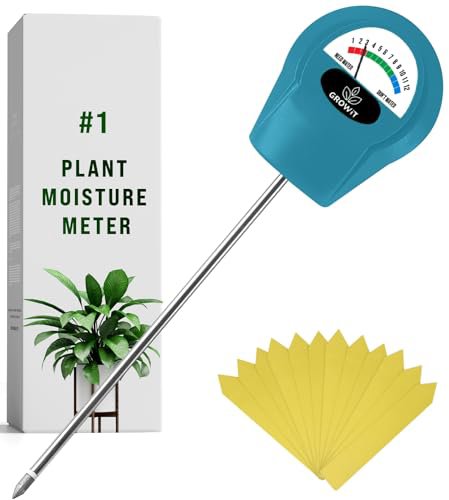
2 Monitor soil moisture levels closely to ensure the roots remain hydrated during heatwaves, using a moisture meter to prevent dehydration.
3 Apply a layer of organic mulch around the base of the plant to help regulate soil temperature and retain moisture.
warning

Clematis Wilt (Fusarium Oxysporum)

This soil-borne fungal pathogen blocks the plant's vascular system, leading to sudden wilting of leaves and stems despite adequate watering.

Common
lightbulb
How to confirm: Check for brown discoloration within the stem tissue when making a small cross-section cut.
build How to fix it
shopping_cart Recommended Products
1 Immediately remove and destroy any heavily wilted or infected stems to prevent the fungal pathogen from spreading to healthy parts of the plant or nearby vegetation.
2 Improve soil drainage and aeration by incorporating horticultural perlite into the root zone to reduce the damp, stagnant conditions that favor Fusarium growth.
3 Apply a fungicide treatment to protect remaining healthy tissue; for organic-compliant care, a copper-based fungicide can help manage fungal issues.
local_hospital All symptoms eco All plants with drooping leaves
favorite