Clematis vitalba Drooping Leaves
eco Drooping Leaves

Clematis vitalba – Drooping Leaves

Why does your Clematis vitalba have drooping leaves? Diagnose the cause and fix it with our step-by-step guide.

search Possible Causes

error

Water Stress (Underwatering or Drought)

Clematis vitalba is a vigorous climber that requires consistent moisture to maintain turgor pressure in its large, compound leaves. During heatwaves, the plant may wilt rapidly to conserve water.

Very Common
lightbulb
How to confirm: Check the soil moisture 2 inches below the surface; if bone dry, the drooping is likely due to dehydration.
build How to fix it
shopping_cart Recommended Products
1 Immediately check the soil moisture level at the base of the plant to confirm the depth of the drought.
2 Apply a deep, slow watering to the root zone to ensure moisture reaches the deep root system of this vigorous climber.
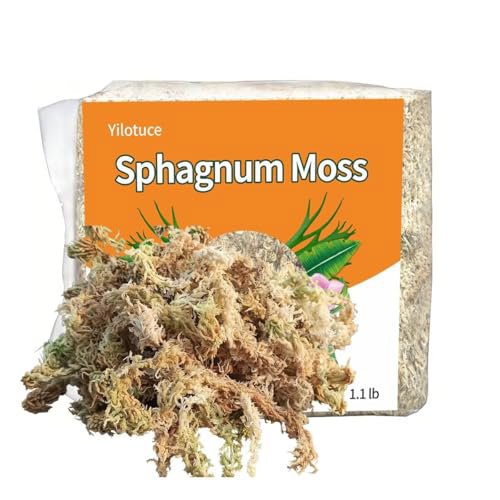
3 Apply a layer of organic mulch around the base to help retain soil moisture and regulate temperature during heatwaves.
error

Root Rot (Overwatering/Poor Drainage)

Excessive water in heavy soils leads to anaerobic conditions, causing root decay. This prevents the climber from transporting water to the foliage, resulting in drooping that mimics drought.

Very Common
lightbulb
How to confirm: Inspect the base of the plant for soft, darkened stems and check if the soil feels saturated or muddy.
build How to fix it
shopping_cart Recommended Products
1 Immediately reduce watering frequency and allow the top inch of soil to dry out completely before watering again.
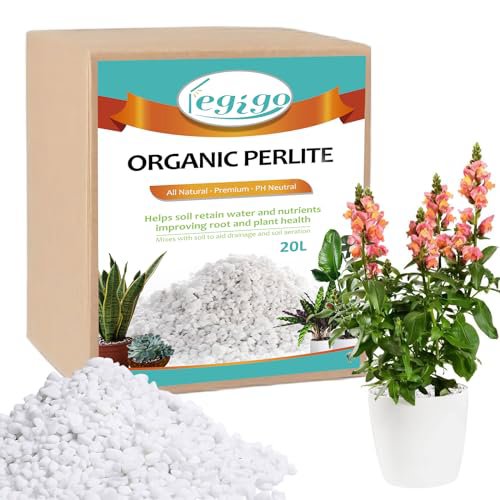
2 Repot the Clematis in a well-draining medium by mixing in horticultural perlite to improve aeration and prevent future anaerobic conditions.
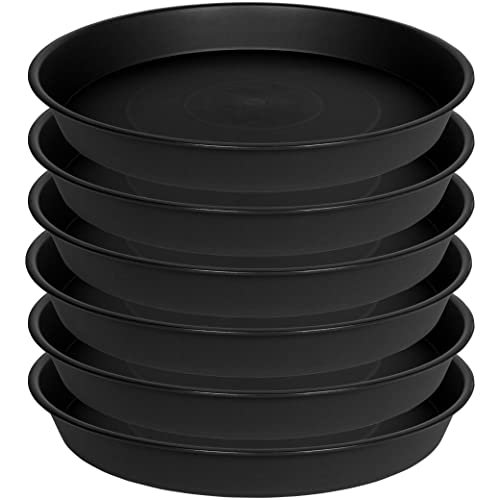
3 Ensure the plant is in a container with adequate drainage holes and use a saucer to catch excess water, making sure it is emptied after use.
warning

Fungal Wilt (Verticillium wilt)

This soil-borne pathogen invades the vascular system of Clematis species, physically blocking the xylem. This causes sudden drooping and wilting of specific sections or the entire vine.

Common
lightbulb
How to confirm: Look for necrotic (brown) streaks in the stems or observe if only certain parts of the plant are drooping while others appear healthy.
build How to fix it
shopping_cart Recommended Products
1 Prune away all infected or wilting stems immediately using sterilized shears to prevent the pathogen from spreading to healthy parts of the vine.
2 Apply a fungicide to the affected area and surrounding foliage to manage fungal spread; ensure tools are cleaned with alcohol after use.
3 Improve soil drainage and aeration by incorporating perlite or coarse sand into the planting area to reduce the moisture levels that favor soil-borne fungi.
warning

Nutrient Deficiency (Nitrogen)

A lack of available nitrogen prevents the plant from producing sufficient chlorophyll and maintaining structural integrity. This often manifests as general chlorosis followed by drooping leaves.

Common
lightbulb
How to confirm: Examine the older leaves for yellowing; if the entire leaf turns pale before drooping, a nutrient boost may be needed.
build How to fix it
shopping_cart Recommended Products
1 Apply a nitrogen-rich organic fertilizer to boost chlorophyll production and restore structural strength to the leaves.
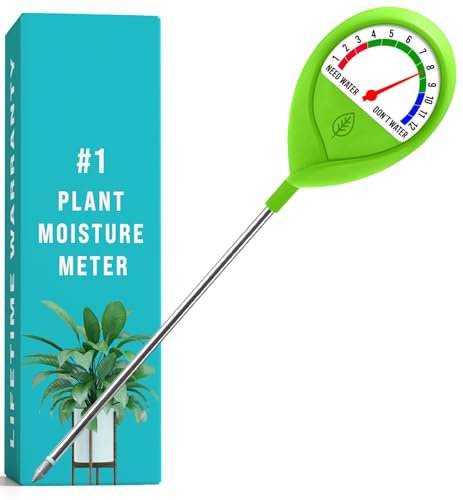
2 Monitor soil moisture levels using a moisture meter to ensure the nitrogen-rich nutrients are being effectively absorbed without causing root rot.
3 Ensure the plant is in a location with adequate sunlight to support the energy-intensive process of nutrient uptake and new growth.
local_hospital All symptoms eco All plants with drooping leaves
favorite