Cordyline fruticosa Brown Leaf Tips
eco Brown Leaf Tips

Cordyline fruticosa – Brown Leaf Tips

Why does your Cordyline fruticosa have brown leaf tips? Diagnose the cause and fix it with our step-by-step guide.

search Possible Causes

error

Low Humidity

Cordyline fruticosa is a tropical plant that requires high ambient moisture. Dry air, often caused by air conditioning or heating, causes the leaf margins and tips to desiccate and turn brown.

Very Common
lightbulb
How to confirm: Check if the tips are crispy and if your indoor environment has a humidity level below 50%.
build How to fix it
shopping_cart Recommended Products
1 Increase ambient humidity around the plant by using a pebble tray or a humidifier to prevent further leaf desiccation.
2 Gently mist the foliage with a fine spray to provide immediate moisture to the leaves.
3 Trim away the dead, brown leaf tips using sterilized shears to improve the plant's appearance.
error

Salt or Mineral Accumulation

Excessive buildup of salts from tap water (like fluoride or chlorine) or fertilizers can burn the sensitive leaf extremities of Ti plants. This often presents as necrotic brown tips even when watering is correct.

Very Common
lightbulb
How to confirm: Check for a white crusty residue on the soil surface or the edges of the pot.
build How to fix it
shopping_cart Recommended Products
1 Flush the soil thoroughly with distilled or rainwater to leach out accumulated mineral salts and fluoride.
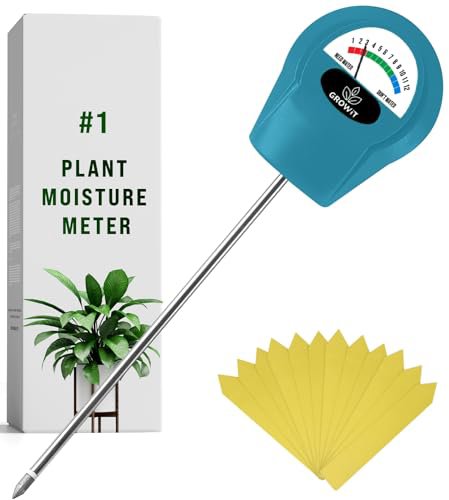
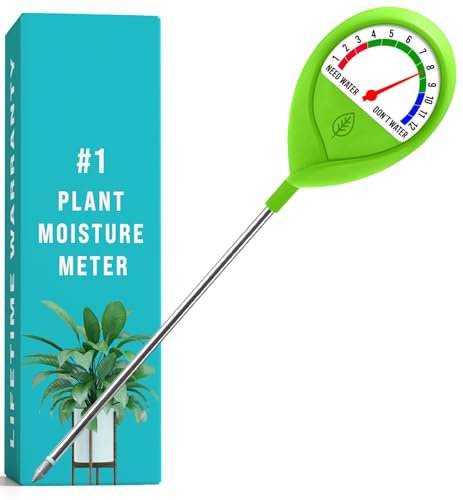
2 Switch to using a high-quality water meter to monitor moisture levels and prevent overwatering, which can exacerbate salt buildup.
3 Prune away the dead brown tips using sterilized shears to improve the plant's appearance and prevent further spread of necrosis.
error

Inconsistent Watering

Allowing the soil to dry out completely between waterings causes moisture stress in Cordyline. This physiological drought leads to the death of the furthest extremities from the vascular system, which are the tips.

Very Common
lightbulb
How to confirm: Feel the top two inches of soil to see if it has become bone-dry before the previous watering cycle ended.
build How to fix it
shopping_cart Recommended Products
1 Establish a consistent watering schedule by checking the soil moisture before each watering to ensure the plant never dries out completely.
2 Use a moisture meter to monitor the soil depth and prevent the physiological drought that causes tip necrosis.
3 Trim away the dead brown tips with sterilized shears to improve the plant's aesthetic and prevent further stress.
warning

Root Rot (Overwatering)

While dry tips are common in low humidity, overly saturated soil suffocates the roots of the Ti plant. Damaged roots cannot transport water to the leaf edges, resulting in brown, dying tips.

Common
lightbulb
How to confirm: Gently lift the plant from its pot to check if the roots are dark, slimy, or lack a firm structure.
build How to fix it
shopping_cart Recommended Products
1 Immediately inspect the soil moisture levels using a meter to confirm if the root zone is saturated.
2 Repot the plant in a well-draining medium, such as a mix containing perlite, to improve aeration and prevent future waterlogging.
3 Trim away the dead, brown leaf tips with sterilized shears to prevent further aesthetic decline and allow the plant to focus energy on new growth.
local_hospital All symptoms eco All plants with brown leaf tips
favorite