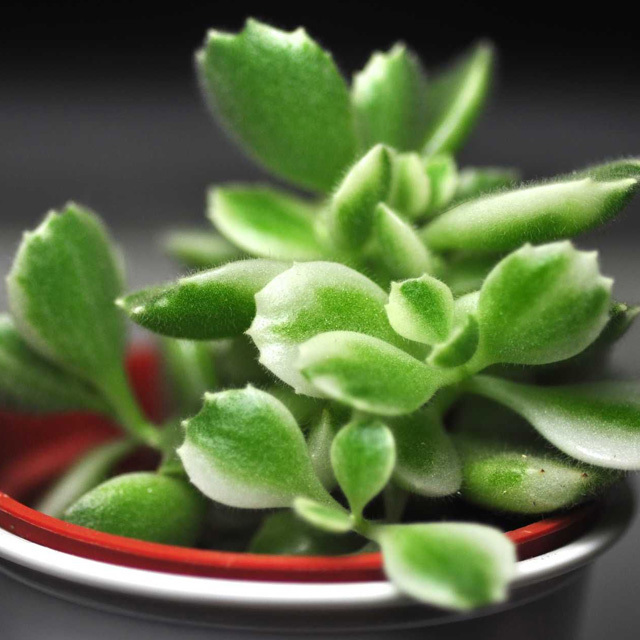
Cotyledon ladismithiensis iegata Drooping Leaves
eco Drooping Leaves

Cotyledon ladismithiensis iegata – Drooping Leaves

Why does your Cotyledon ladismithiensis iegata have drooping leaves? Diagnose the cause and fix it with our step-by-step guide.

search Possible Causes

error

Overwatering and Root Rot

As a succulent, Cotyledon ladismithiensis is highly susceptible to fungal pathogens like Phytophthora when soil remains saturated. Excessive moisture prevents oxygen from reaching the roots, leading to cellular collapse and drooping.

Very Common
lightbulb
How to confirm: Gently squeeze a leaf; if it feels mushy or translucent rather than just limp, check if the substrate is waterlogged.
build How to fix it
shopping_cart Recommended Products
1 Immediately remove the plant from its current container and inspect the roots for any mushy, black, or foul-smelling decay; prune away all rot using sterilized tools.
2 Repot the plant in a well-draining, gritty substrate specifically designed for succulents to ensure oxygen reaches the root zone and prevents future saturation.
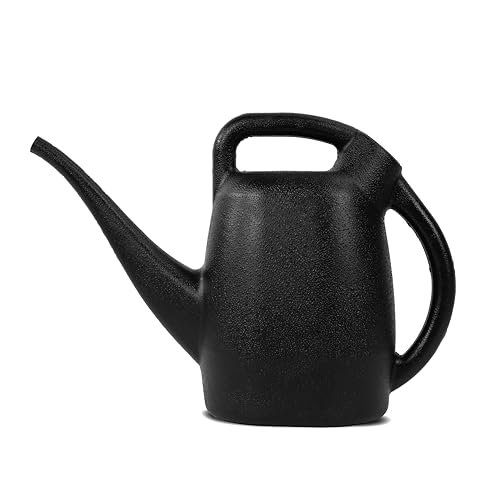
3 Use a moisture meter to monitor the soil and ensure you only water when the medium is completely dry to the touch.
error

Underwatering (Dehydration)

When the water reserves in the fleshy leaves are depleted, the turgor pressure drops significantly. This causes the leaves to lose their upright structure and hang limp to conserve moisture.

Very Common
lightbulb
How to confirm: Check the soil depth approximately 2cm down; if it is bone dry and the leaves feel wrinkled or shriveled, the plant needs water.
build How to fix it
shopping_cart Recommended Products
1 Immediately check the soil moisture level using a moisture meter to confirm the depth of dehydration.
2 Thoroughly soak the soil with water until it drains from the bottom of the pot, ensuring the fleshy leaves can reabsorb moisture.
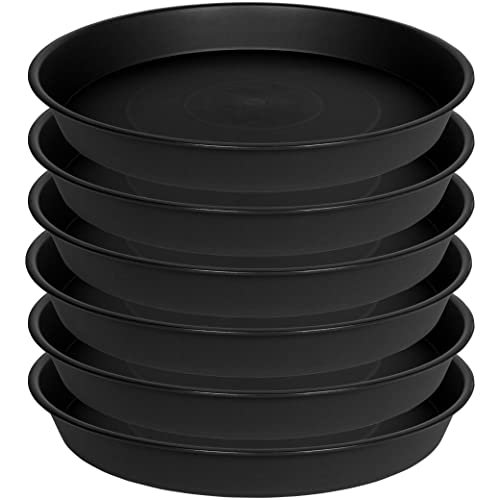
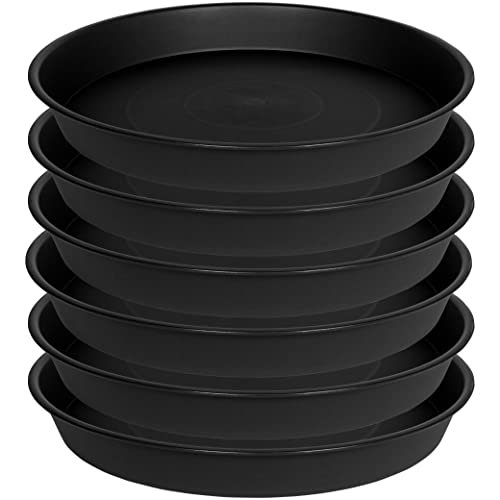
3 To prevent future dehydration, ensure the plant is in a pot with proper drainage and use a saucer to catch excess water.
warning

Temperature Stress (Heat Exhaustion)

Extreme-high temperatures can cause the plant to enter a temporary state of dormancy or wilting to reduce transpiration surface area. This is a physiological response to prevent rapid desiccation in intense sunlight.

Common
lightbulb
How to confirm: Observe if the drooping occurs specifically during peak afternoon heat and recovers during the cooler evening hours.
build How to fix it
shopping_cart Recommended Products
1 Move the plant to a cooler, shaded location away from direct afternoon sun to allow it to recover from heat exhaustion.
2 Monitor soil moisture levels closely to ensure the plant is not also suffering from dehydration, but avoid overwatering.
3 Apply a light mulch or use a pebble tray to help stabilize the root zone temperature and reduce evaporation.
warning

Nutrient Deficiency (Nitrogen)

A lack of available nitrogen impairs the plant's ability to produce chlorophyll and maintain structural integrity in new growth. This often manifests as a loss of vigor and a drooping appearance in the foliage.

Common
lightbulb
How to confirm: Look for pale or yellowish discoloration on older leaves accompanying the limp texture.
build How to fix it
shopping_cart Recommended Products
1 Apply a nitrogen-rich liquid fertilizer to boost chlorophyll production and restore structural vigor to the foliage.
2 Check the soil moisture levels with a moisture meter to ensure the drooping isn't actually caused by underwatering or overwatering.
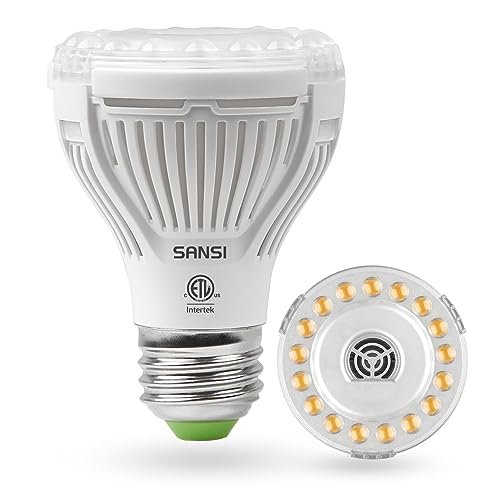
3 Ensure the plant is receiving adequate light, as insufficient light can exacerbate the appearance of nutrient-related drooping.

Other Cotyledon ladismithiensis iegata problems

Your plant might also be experiencing one of these issues:

local_hospital All symptoms eco All plants with drooping leaves
favorite