Crassula lactea White Cottony Spots
eco White Cottony Spots

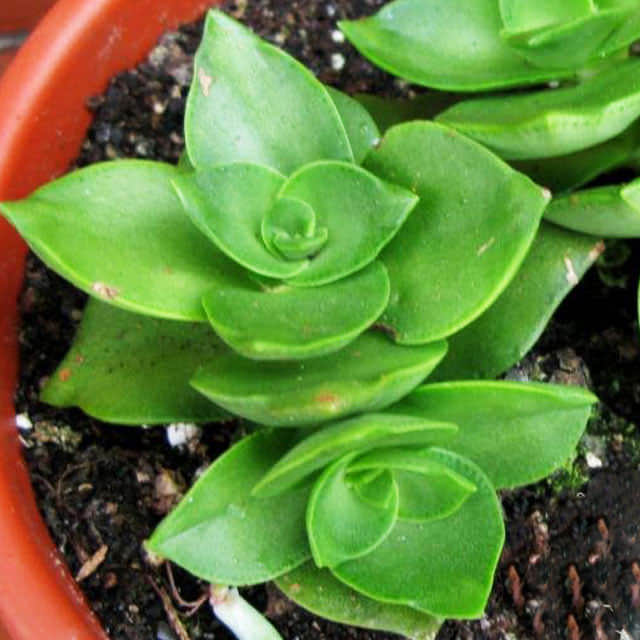
Crassula lactea – White Cottony Spots

Why does your Crassula lactea have white cottony spots? Diagnose the cause and fix it with our step-by-step guide.

search Possible Causes

error

Mealybugs

These small, soft-bodied insects secrete a white, waxy, cotton-like substance to protect themselves. In Crassula lactea, they often congregate in the crevices between the fleshy leaves and near the stem base.

Very Common
lightbulb
How to confirm: Use a cotton swab dipped in rubbing alcohol to dab the white spots; if they dissolve and disappear, it is likely mealybugs.
build How to fix it
shopping_cart Recommended Products
1 Isolate the plant immediately to prevent the mealybugs from spreading to your other houseplants.
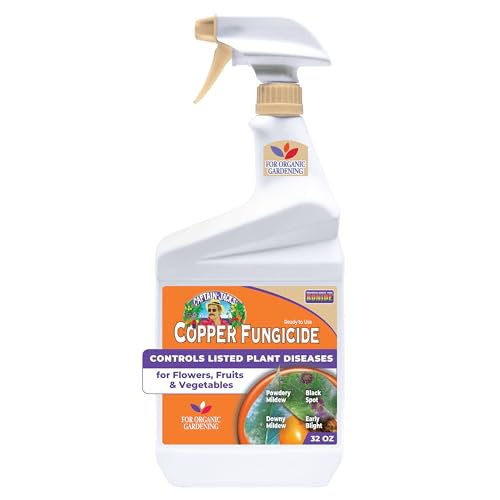
2 Treat the infestation by spraying the plant with an organic insecticide to kill the insects and their protective waxy coating.
3 Use a cotton swab dipped in isopropyl alcohol to manually remove visible white cottony clusters from the crevices of the leaves and stem base.
warning

Powdery Mildew

This fungal pathogen manifests as a fine, white dusty coating on the leaf surfaces. While more common in humid environments, it can affect succulents if airflow is restricted around the dense foliage of the Milk Crassula.

Common
lightbulb
How to confirm: Check if the white spots can be wiped off easily like dust and if new growth appears stunted or distorted.
build How to fix it
shopping_cart Recommended Products
1 Treat the affected leaves immediately with an organic fungicide to stop the spread of the fungal spores.
2 Improve air circulation around the plant by spacing it away from other foliage and ensuring a gentle breeze can reach the leaves.
3 Reduce humidity levels and avoid overhead watering, which can leave moisture trapped in the dense foliage of the Crassula.
warning

Cottony Blight (Sclerotinia/Botrytis)

Certain fungal pathogens cause decaying tissue that develops a fuzzy, white appearance. In succulents like Crassula, this is usually accompanied by soft, translucent, or mushy spots on the leaves.

Common
lightbulb
How to confirm: Gently press the affected area to see if the leaf tissue feels soft, water-soaked, or collapses easily.
build How to fix it
shopping_cart Recommended Products
1 Remove and discard all mushy, translucent, or heavily infected leaves to prevent the fungal spores from spreading to healthy tissue.
2 Apply an organic fungicide to the affected area to control the spread of the blight.
3 Improve air circulation around the plant and reduce humidity by ensuring the soil dries out completely between waterings.
local_hospital All symptoms eco All plants with white cottony spots
favorite