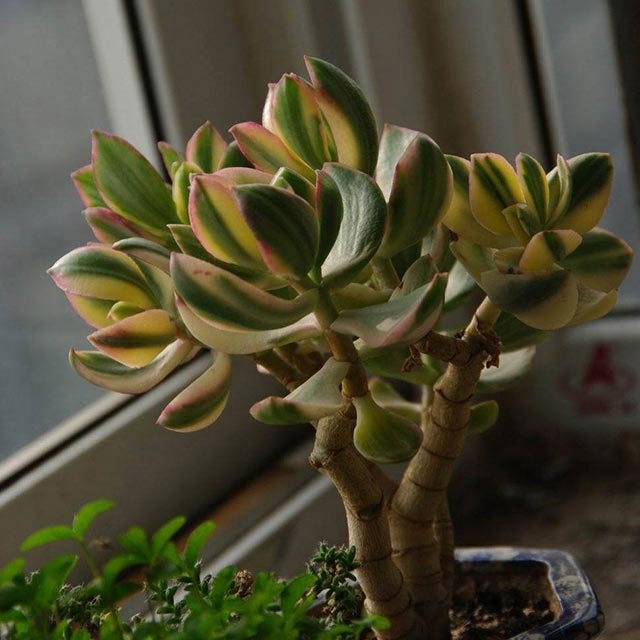
Crassula ovata Yellow Leaves
eco Yellow Leaves

Crassula ovata – Yellow Leaves

Why does your Crassula ovata have yellow leaves? Diagnose the cause and fix it with our step-by-step guide.

search Possible Causes

error

Overwatering and Root Rot

Jade plants are succulents that store water in their leaves; excessive soil moisture prevents roots from breathing, leading to cellular breakdown and yellowing. This is the most common cause of leaf drop in Crassula ovata.

Very Common
lightbulb
How to confirm: Gently squeeze a yellow leaf to see if it feels mushy or translucent rather than firm.
build How to fix it
shopping_cart Recommended Products
1 Immediately remove the plant from its current pot and inspect the roots for any mushy, black, or foul-smelling rot; prune away all damaged roots using sterilized tools.
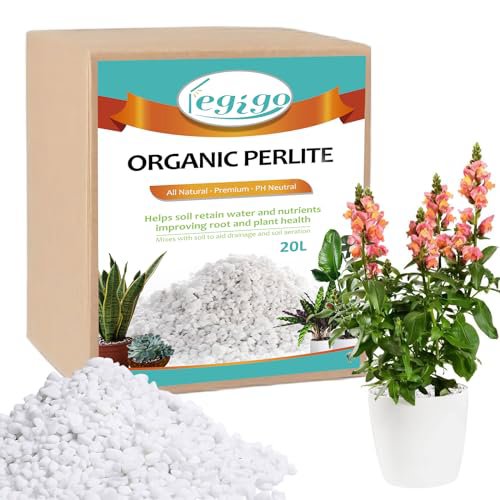
2 Repot the Jade plant in a well-draining succulent mix, incorporating perlite or pumice to increase aeration and prevent future water retention.
3 Use a moisture meter to monitor the soil, ensuring you only water when the substrate is completely dry to the touch.
warning

Nutrient Deficiency (Nitrogen)

A lack of nitrogen prevents the plant from producing chlorophyll, causing older leaves to turn pale yellow before dropping. This often occurs in jade plants grown in depleted, sandy potting mixes for extended periods.

Common
lightbulb
How to confirm: Observe if the yellowing is starting specifically on the oldest, lowest leaves on the stem.
build How to fix it
shopping_cart Recommended Products
1 Apply a nitrogen-rich liquid fertilizer to replenish the soil nutrients and restore chlorophyll production.
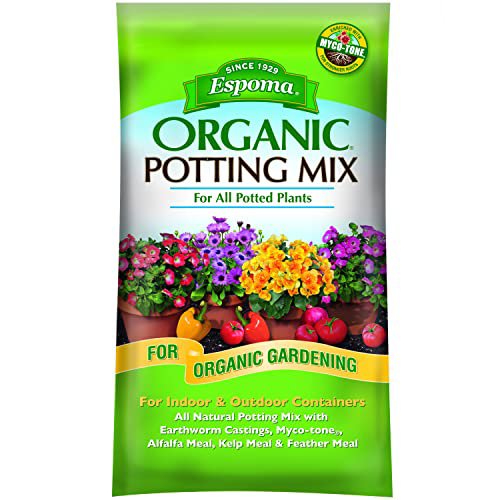
2 Repot the jade plant in a fresh, nutrient-dense potting medium to provide long-term nitrogen availability.
3 Monitor the soil moisture levels using a moisture meter to ensure you are not overwatering, which can exacerbate yellowing.
warning

Environmental Stress (Temperature Fluctuations)

Sudden exposure to cold drafts or temperatures below 50°F (10°C) can shock the Crassula ovata metabolism, triggering a yellowing response as the plant attempts to shed stressed foliage.

Common
lightbulb
How to confirm: Check if the plant has recently been moved near a window or air conditioning vent.
build How to fix it
shopping_cart Recommended Products
1 Move your Jade plant to a stable, warm environment away from cold drafts, windows, or air conditioning vents to maintain temperatures consistently above 50°F.
2 Monitor the soil moisture closely during temperature shifts using a moisture meter to ensure the plant is not being overwatered while in a stressed state.
3 Apply a microbial-based fertilizer to help the plant recover from environmental shock and support root zone strength.
warning

Light Deprivation

Insufficient sunlight prevents the plant from maintaining its metabolic processes, leading to etiolation and yellowing of leaves as the plant struggles to photosynthesize.

Common
lightbulb
How to confirm: Look for long, stretched-out stems between leaf nodes combined with the yellowing color.
build How to fix it
shopping_cart Recommended Products
1 Move your Jade plant to a location with much brighter, indirect sunlight or a spot that receives several hours of direct morning sun to boost photosynthesis.
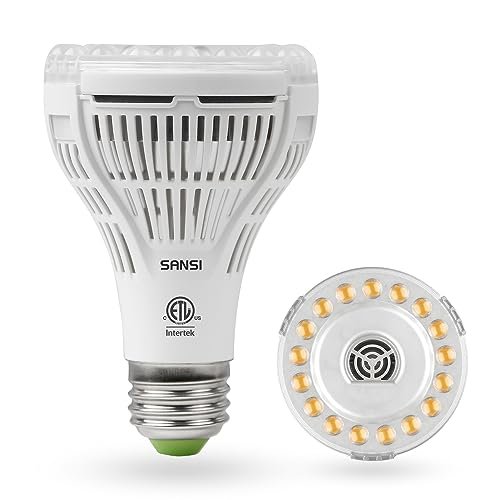
2 Supplement with a full-spectrum grow light to provide the necessary light intensity for metabolic processes, especially if natural light is limited.
3 Monitor the soil moisture closely, as plants in lower light require significantly less frequent watering to prevent root rot.

Other Crassula ovata problems

Your plant might also be experiencing one of these issues:

local_hospital All symptoms eco All plants with yellow leaves
favorite