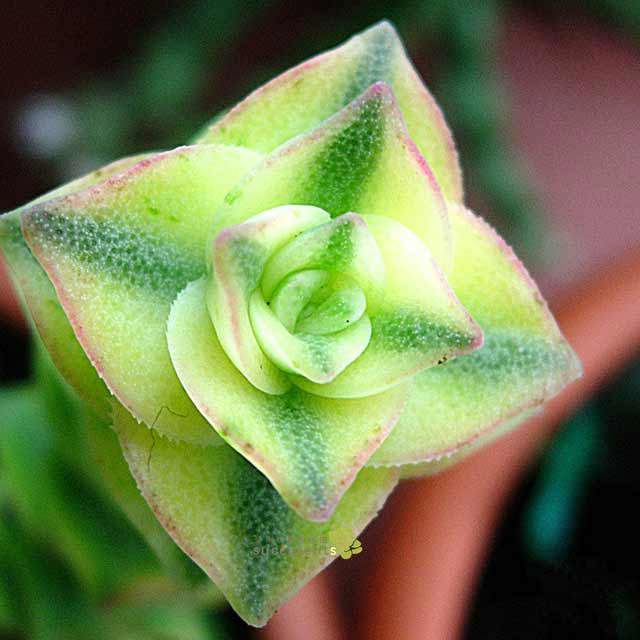
Crassula perforata variegata Yellow Leaves
eco Yellow Leaves

Crassula perforata variegata – Yellow Leaves

Why does your Crassula perforata variegata have yellow leaves? Diagnose the cause and fix it with our step-by-step guide.

search Possible Causes

error

Overwatering and Root Rot

As a succulent, Crassula perforata is highly susceptible to moisture retention in the substrate. Excessive water prevents root respiration, leading to fungal pathogens that cause leaves to turn yellow and eventually drop.

Very Common
lightbulb
How to confirm: Gently tug on a leaf; if it detaches easily with no resistance and the stem feels soft, rot is likely present.
build How to fix it
shopping_cart Recommended Products
1 Immediately remove the plant from the current substrate and trim away any mushy, black, or foul-smelling roots using sterilized tools.
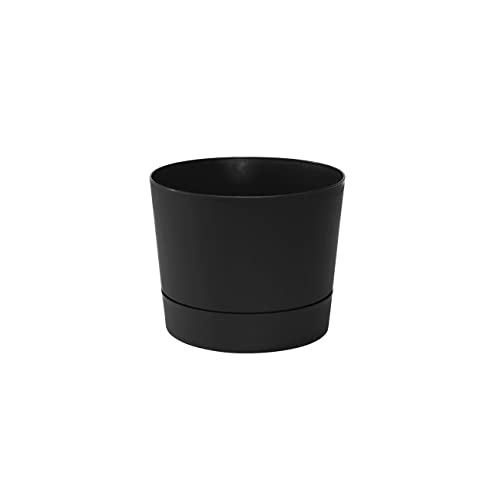
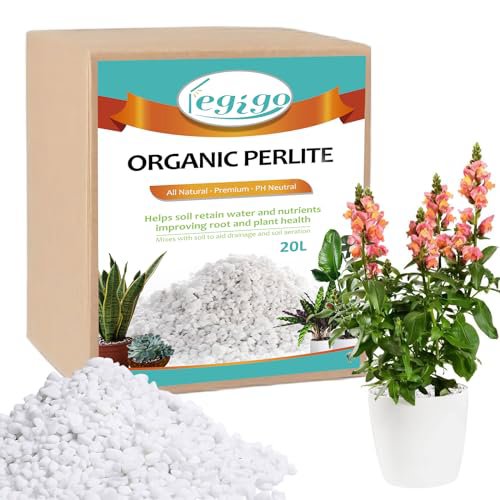
2 Repot the plant in a well-draining, gritty succulent mix and use a pot with excellent drainage, such as a Root & Vessel cylinder pot, to prevent future water pooling.
3 Monitor the soil moisture levels closely with an analog meter to ensure the substrate is completely dry before watering again.
warning

Nutrient Deficiency (Nitrogen)

A lack of nitrogen in well-draining succulent soil can cause older, lower leaves to lose their green pigment and turn yellow. This often happens if the plant has been in the same potting medium for several years without fertilization.

Common
lightbulb
How to confirm: Observe if the yellowing starts on the oldest leaves near the base while new growth remains relatively healthy.
build How to fix it
shopping_cart Recommended Products
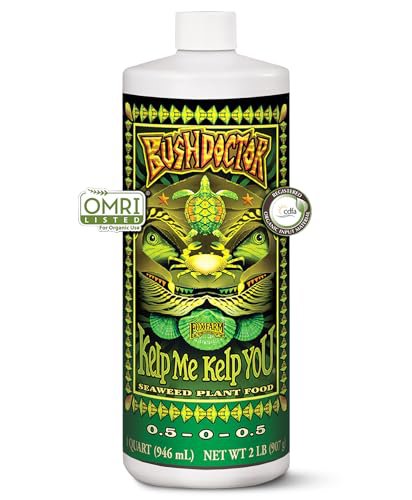
1 Apply a nitrogen-rich organic fertilizer to boost chlorophyll production and restore green pigment to the leaves.
2 Repot the plant in fresh, well-draining succulent soil to replenish depleted nutrients in the growing medium.
3 Monitor soil moisture levels using a moisture meter to ensure the nitrogen-rich fertilizer is not being washed away by overwatering.
warning

Sunburn/Photo-oxidation

While variegation requires light, sudden exposure to intense, direct midday sun can damage the chlorophyll in the non-variegated sections of the leaves. This physiological stress manifests as yellowing or bleaching of the leaf tissue.

Common
lightbulb
How to confirm: Check if the yellowing patches appear on the side of the plant most exposed to a window or direct light source.
build How to fix it
shopping_cart Recommended Products
1 Immediately move your plant to a location with bright, indirect light to prevent further tissue damage from direct UV rays.
2 Monitor the soil moisture levels closely using a moisture meter to ensure the plant is not also experiencing heat stress from drying out.
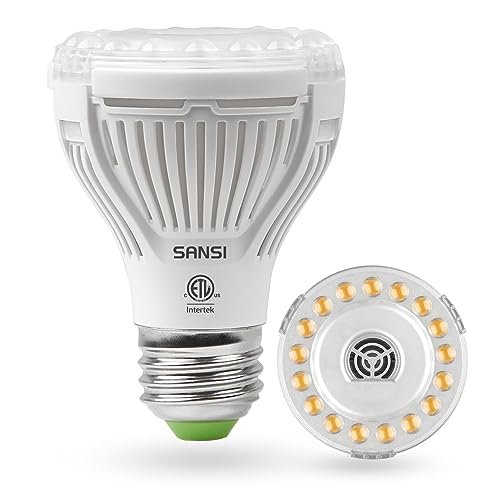
3 If the plant is in a high-heat area, consider using a grow light to provide consistent, controlled light intensity without the heat of direct sun.
warning

Temperature Stress

Crassula species are sensitive to extreme temperature fluctuations. Exposure to cold drafts (below 50°F/10°C) can disrupt metabolic processes, causing the leaves to lose their characteristic color and turn yellow.

Common
lightbulb
How to confirm: Check if the plant is located near an air conditioning vent or a drafty window during winter months.
build How to fix it
shopping_cart Recommended Products
1 Move your plant to a stable environment away from cold drafts, windows, or air conditioning vents to maintain temperatures above 50°F.
2 Monitor the soil moisture levels closely, as temperature fluctuations can alter evaporation rates; use a moisture meter to ensure the soil is not staying too wet during cooler periods.

Other Crassula perforata variegata problems

Your plant might also be experiencing one of these issues:

local_hospital All symptoms eco All plants with yellow leaves
favorite