Cucurbita pepo White Powder
eco White Powder

Cucurbita pepo – White Powder

Why does your Cucurbita pepo have white powder? Diagnose the cause and fix it with our step-by-step guide.

pets Pet Friendly

search Possible Causes

error

Powdery Mildew

This is the most common cause for white, flour-like patches on zucchini leaves. It is a fungal disease (often Podosphaera xanthii) that thrives in high humidity and moderate temperatures, eventually causing leaves to yellow and wilt.

Very Common
lightbulb
How to confirm: Inspect the undersides of the leaves for fuzzy white growth that spreads in circular patterns.
build How to fix it
shopping_cart Recommended Products
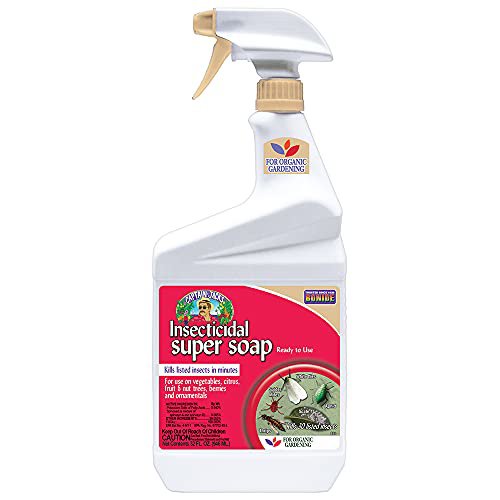
1 Apply an organic fungicide to the affected leaves to stop the spread of the fungal spores.
2 Prune and remove any heavily infected leaves to prevent the fungus from spreading to healthy parts of the plant.
3 Improve air circulation around the plant and avoid overhead watering to reduce the humidity that fuels mildew growth.
warning

Whiteflies

Infestations of whiteflies can create a dusty appearance on the leaf surfaces due to the presence of tiny insects and their sticky honeydew excretion. This often leads to secondary issues like Sooty Mold.

Common
lightbulb
How to confirm: Gently tap a leaf over a white piece of paper to see if tiny white insects fly away.
build How to fix it
shopping_cart Recommended Products
1 Apply an organic insecticide spray to eliminate adult whiteflies, larvae, and eggs on the leaf surfaces.
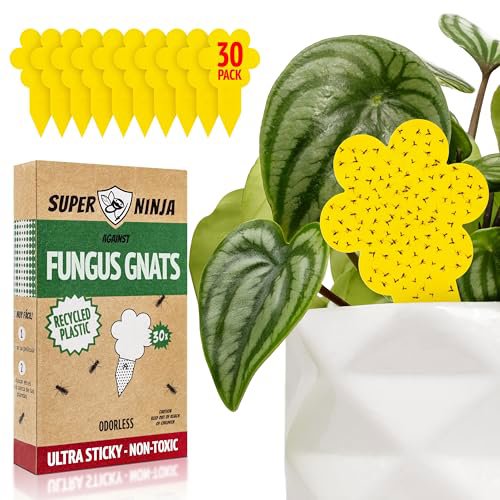
2 Deploy yellow sticky traps near the plant to capture flying adults and monitor the infestation level.
3 Wipe the leaves with a damp cloth to remove the sticky honeydew residue and prevent the development of sooty mold.
warning

Sooty Mold

While typically black, Sooty Mold grows on the honeydew left by pests like aphids or whiteflies. In its early stages or when mixed with light-colored excretions, it can appear as a grayish or whitish film on the leaf surface.

Common
lightbulb
How to confirm: Check for sticky residue (honeydew) on the leaves beneath the white/dark patches.
build How to fix it
shopping_cart Recommended Products
1 Identify and eliminate the underlying pests, such as aphids or whiteflies, that are producing the honeydew causing the mold.
2 Apply an organic fungicide to treat the fungal film and prevent further spread across the foliage.
3 Gently wipe the affected leaves with a soft cloth or water to remove the visible mold residue and restore photosynthesis.
warning

Calcium Deficiency (Edema)

Extreme fluctuations in soil moisture can cause cell rupture, appearing as small, whitish or tan raised spots on the leaf tissue. This is a physiological disorder rather than an external pathogen.

Common
lightbulb
How to confirm: Look for small, blister-like bumps on the leaf margins rather than a fuzzy surface texture.
build How to fix it
shopping_cart Recommended Products
1 Stabilize soil moisture levels by ensuring consistent watering schedules to prevent the rapid fluctuations that cause cell rupture.
2 Apply a calcium supplement to the soil to address the underlying deficiency and strengthen cell walls.
3 Mulch the base of the plant with organic matter to help regulate soil temperature and moisture retention.

Other Cucurbita pepo problems

Your plant might also be experiencing one of these issues:

local_hospital All symptoms eco All plants with white powder
favorite