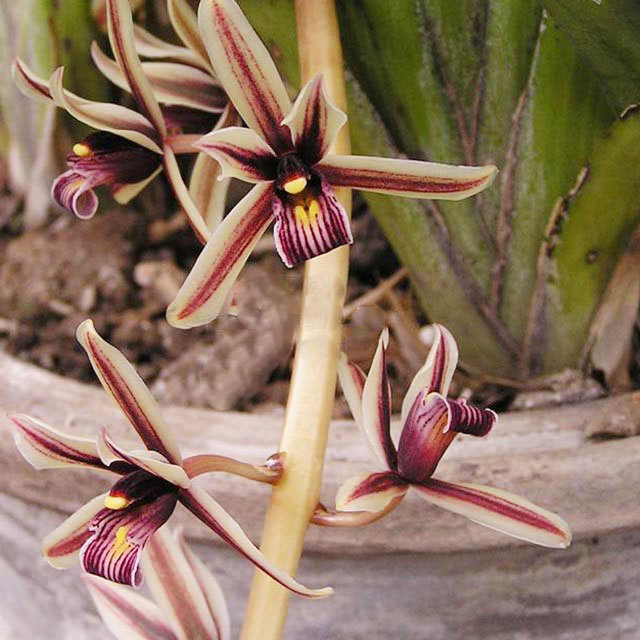
Cymbidium aloifolium Tiny Black Flies
eco Tiny Black Flies

Cymbidium aloifolium – Tiny Black Flies

Why does your Cymbidium aloifolium have tiny black flies? Diagnose the cause and fix it with our step-by-step guide.

pets Pet Friendly

search Possible Causes

error

Fungus Gnats (Sciarid Flies)

The larvae of these flies live in the organic matter of the potting medium and feed on decaying roots or fungal mycelium. In Cymbidium species, high moisture levels in the bark/sphagnum substrate provide the perfect breeding ground.

Very Common
lightbulb
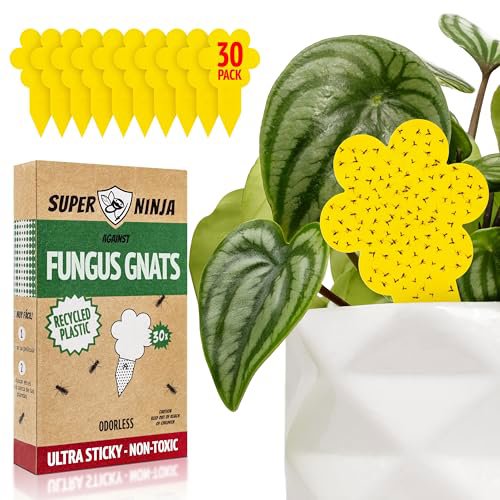
How to confirm: Set up a yellow sticky trap near the pot to see if small black insects are attracted to it.
build How to fix it
shopping_cart Recommended Products
1 Apply a biological control to eliminate the larvae and adult flies in the soil.
2 Reduce watering frequency and allow the substrate to dry out more between sessions to disrupt the breeding cycle.
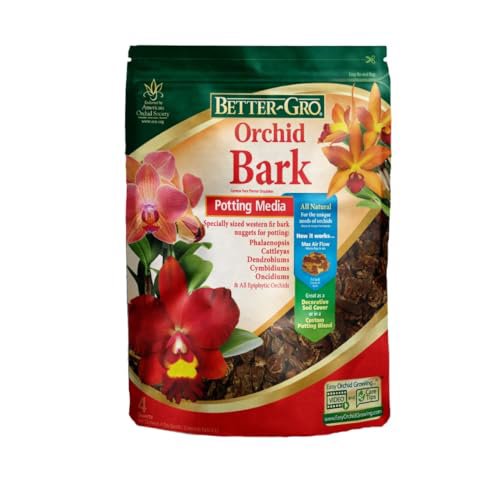
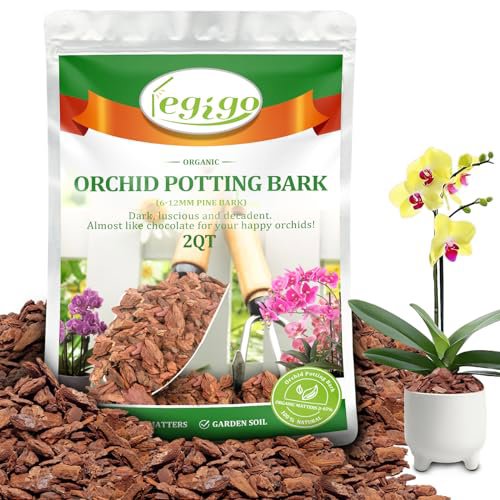
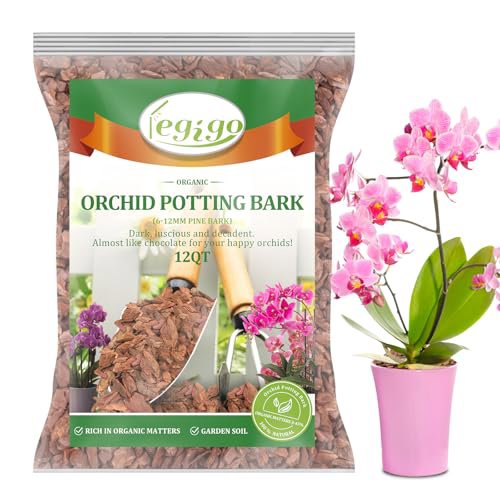
3 Repot the orchid in a fresh, well-draining medium like orchid bark to remove existing larvae and organic decay.
warning

Black Scab (Microstoma/Fungal infestation)

While not flies themselves, certain fungal pathogens can create dark, necrotic lesions that attract opportunistic small flies seeking decaying tissue. This often occurs when the orchid's pseudobulbs are kept too damp.

Common
lightbulb
How to confirm: Inspect the base of the leaves for any black, sunken spots or mushy textures.
build How to fix it
shopping_cart Recommended Products
1 Apply a fungicide to treat the fungal lesions and prevent further spread of the black scab.
2 Reduce watering frequency and ensure the orchid medium is well-draining to eliminate the damp conditions attracting flies.
3 Use yellow sticky traps to capture the adult flies and break the life cycle of the opportunistic pests.
warning

Drainage and Organic Matter Decay

An accumulation of decomposed orchid bark creates a rich, anaerobic environment that attracts various Diptera species. As the substrate loses aeration, it becomes much more attractive to flies looking for moist breeding sites.

Common
lightbulb
How to confirm: Check if the potting medium has become compressed, dark, and smells slightly sour or earthy.
build How to fix it
shopping_cart Recommended Products
1 Remove the plant from its current substrate and discard all decomposed, anaerobic organic matter to eliminate breeding sites.
2 Repot the orchid in fresh, well-aerated organic orchid bark to restore drainage and prevent future decay.
3 Apply yellow sticky traps near the plant to capture and reduce the adult fly population.

Other Cymbidium aloifolium problems

Your plant might also be experiencing one of these issues:

local_hospital All symptoms eco All plants with tiny black flies
favorite