Cymbidium bicolor Tiny Black Flies
eco Tiny Black Flies

Cymbidium bicolor – Tiny Black Flies

Why does your Cymbidium bicolor have tiny black flies? Diagnose the cause and fix it with our step-by-step guide.

pets Pet Friendly

search Possible Causes

error

Fungus Gnats

The larvae of these flies live in the organic matter of the potting medium, feeding on decaying roots and fungi. They are attracted to the consistently moist substrate often used for Cymbidium bicolor.

Very Common
lightbulb
How to confirm: Place a yellow sticky trap near the plant surface to see if small, dark-colored flies are captured.
build How to fix it
shopping_cart Recommended Products
1 Deploy yellow sticky traps to capture the adult flying gnats and break the breeding cycle.
2 Reduce watering frequency and allow the top inch of the substrate to dry out to eliminate the moist environment larvae need to survive.
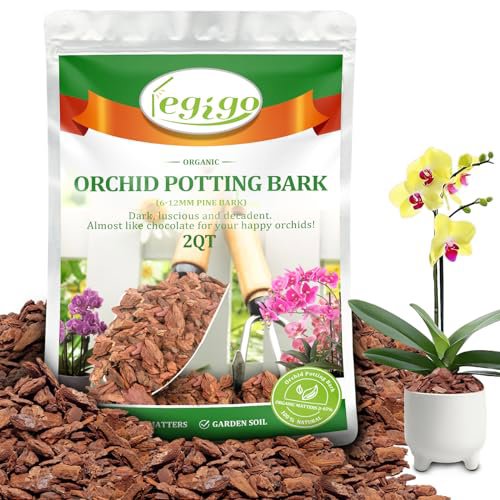
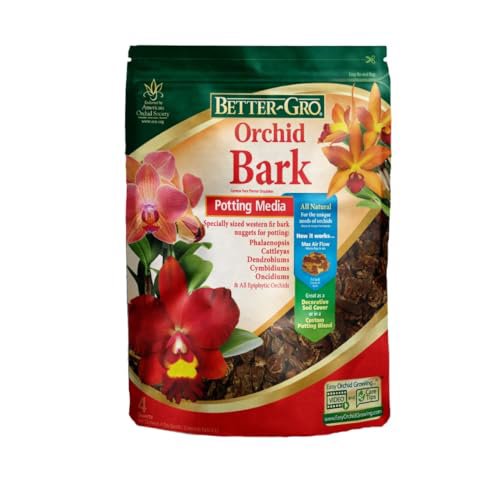
3 Refresh the potting medium with a well-draining mix to remove existing larvae and organic matter.
warning

Sciarid Flies

Similar to fungus gnats, these flies thrive in high-humidity environments like those required by Cymbidium bicolor. They target the moist, decomposing peat or bark used in orchid potting mixes.

Common
lightbulb
How to confirm: Check if the flies are hovering specifically around the base of the pseudobulbs where moisture lingers.
build How to fix it
shopping_cart Recommended Products
1 Deploy yellow sticky traps to capture the adult flies and disrupt their breeding cycle.
2 Reduce watering frequency and allow the orchid substrate to dry out more between waterings to eliminate the moist environment the larvae require.
3 Refresh the potting medium with a well-draining orchid bark to remove any decomposing organic matter that serves as a food source for the larvae.
warning

Saprophagous Insects (Decomposing Organic Matter)

Tiny black flies may be attracted to decaying orchid foliage or old, decomposed bark in the pot. As the medium breaks down, it creates a micro-ecosystem of rot that attracts various small dipterans.

Common
lightbulb
How to confirm: Inspect the potting medium for any signs of dark, slimy decomposition or 'mushy' organic matter.
build How to fix it
shopping_cart Recommended Products
1 Remove any decaying or dead orchid foliage and old, decomposed organic matter from the pot to eliminate the breeding site for the flies.
2 Repot the orchid in fresh, well-draining orchid substrate to replace the decomposing medium that is attracting the insects.
3 Apply a biological control like Neem Oil spray to the surface of the medium to help manage any remaining larvae or adult flies.

Other Cymbidium bicolor problems

Your plant might also be experiencing one of these issues:

local_hospital All symptoms eco All plants with tiny black flies
favorite