Why does your Cymbidium cochleare have tiny black flies? Diagnose the cause and fix it with our step-by-step guide.
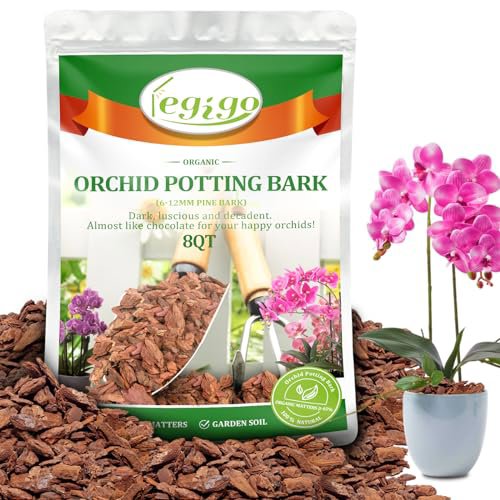
The larvae of these flies live in the organic matter of the orchid's potting medium, feeding on fungal mycelium and fine root hairs of the Cymbidium. The presence of flying adults indicates that the substrate is likely staying too damp for extended periods.
Decaying roots caused by overwatering release organic compounds and odors that attract fungus gnats and other scavengers. In Cymbidium cochleare, which requires excellent drainage, anaerobic conditions in the bark or sphagnum promote this cycle.
Small flies may be attracted to decomposing organic matter within old orchid bark or accumulated debris in the leaf axils. As the substrate breaks down into a finer, more nutrient-rich silt, it becomes a breeding ground for various small dipterans.
Your plant might also be experiencing one of these issues:

 English
 Italiano