Cymbidium defoliatum Tiny Black Flies
eco Tiny Black Flies

Cymbidium defoliatum – Tiny Black Flies

Why does your Cymbidium defoliatum have tiny black flies? Diagnose the cause and fix it with our step-by-step guide.

pets Pet Friendly

search Possible Causes

error

Fungus Gnats (Sciarid Flies)

The larvae of these flies live in the organic matter of the orchid potting media, feeding on decaying roots and fungi. The adult flies emerge to lay eggs in the moist surface layer of the Cymbidium substrate.

Very Common
lightbulb
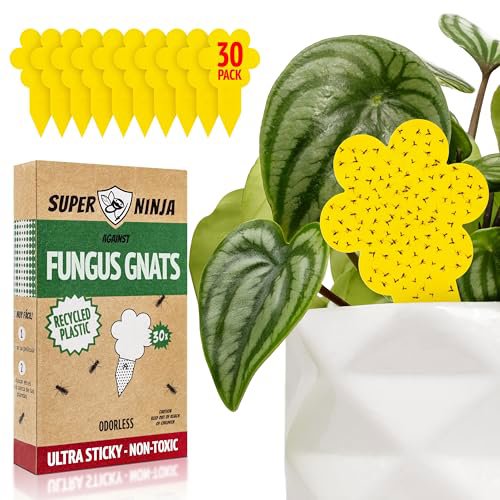
How to confirm: Place a yellow sticky trap near the orchid pot to see if small black flies are captured.
build How to fix it
shopping_cart Recommended Products
1 Apply a biological control method to eliminate adult flies and larvae; use yellow sticky traps to capture flying adults.
2 Reduce moisture in the top layer of the orchid substrate to disrupt the life cycle of the larvae.
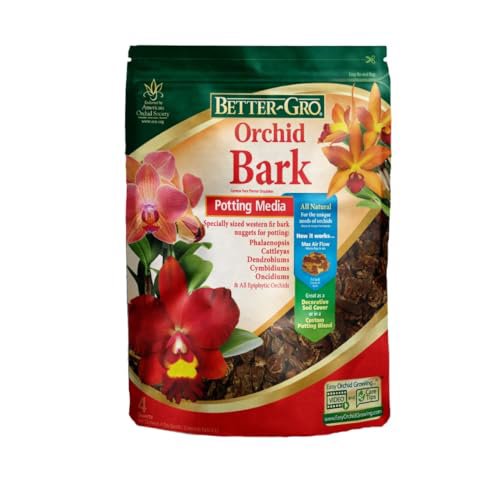
3 Repot the orchid in fresh, well-draining media like orchid bark to remove existing larvae and decaying organic matter.
error

Overwatering and Substrate Decay

Excessive moisture in Cymbidium bark or moss creates an ideal breeding ground for fungus gnats and promotes anaerobic conditions. This high humidity at the substrate surface attracts adult flies to lay eggs.

Very Common
lightbulb
How to confirm: Insert a finger into the medium to check if it remains damp for too many consecutive days.
build How to fix it
shopping_cart Recommended Products
1 Reduce watering frequency and allow the substrate to dry out significantly to disrupt the fungus gnat life cycle.
2 Repot the orchid in fresh, well-draining medium like orchid bark to eliminate decaying organic matter and breeding sites.
3 Apply yellow sticky traps near the plant surface to capture adult flies and prevent further egg laying.
warning

Sapromyza (Fruit Flies)

If there is decaying organic matter or fermenting nectar/sap on the Cymbidium leaves or base, fruit flies may be attracted to the scent. They are often mistaken for fungus gnats but target different organic stimuli.

Common
lightbulb
How to confirm: Inspect the base of the pseudobulbs for any soft, rotting tissue or fermenting residue.
build How to fix it
shopping_cart Recommended Products
1 Inspect the base of the orchid and leaf axils for any decaying organic matter, stagnant water, or fermenting sap, and carefully clean these areas with a damp cloth to remove the attractant.
2 Deploy yellow sticky traps near the plant to capture adult flies and monitor the population levels.
3 Ensure the orchid is not sitting in excess water by using a moisture meter to check the substrate, as damp organic material can sustain fly larvae.
local_hospital All symptoms eco All plants with tiny black flies
favorite